Sango Logo
SLA 3D Printing Services

SLA 3D Printing Services

Our industrial SLA 3D printing uses laser curing technology to produce rigid, transparent and castable resin parts, suitable for large-size prototypes, structural verification and investment casting patterns.

100,000+ Parts Made
ISO 9001:2015 Certified
98% On Time Delivery

Get an Instant FDM 3D Printing Quote

Upload your CAD file for instant pricing and DFM feedback.

Drag & drop CAD files hereSTEP, STP, STL, IGS, IGES, PDF, ZIP — up to 15MB
No commitment required · DFM feedback included
Huawei Technologies
Samsung Electronics
Tata Motors
Delta Electronics
Lens Technology
Eveready Industries
Beijing Institute of Technology
Ansell LTD
NRTC
Chantelle
PT Wings Surya
PT Sun Paper Source
PT Supreme Paper Solution
Huawei Technologies
Samsung Electronics
Tata Motors
Delta Electronics
Lens Technology
Eveready Industries
Beijing Institute of Technology
Ansell LTD
NRTC
Chantelle
PT Wings Surya
PT Sun Paper Source
PT Supreme Paper Solution

3D Printing Technical Resources

View All Articles
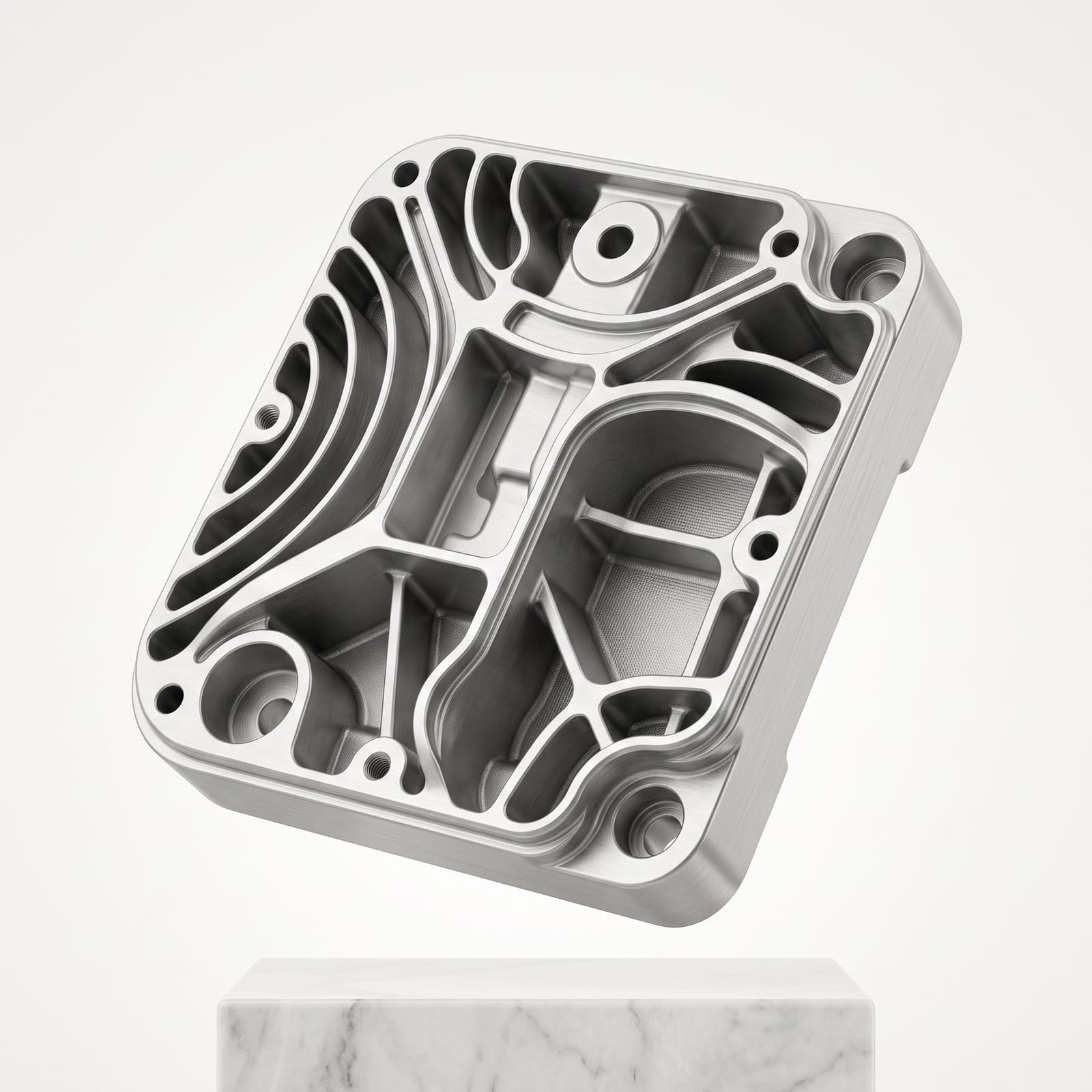
What is FDM 3D printing best used for?

FDM is best for functional prototypes, manufacturing aids and low-volume end-use parts where strength and cost matter more than surface finish. Common examples include jigs, fixtures, enclosures, brackets and large parts that would be expensive to produce with resin or powder processes.

How accurate is FDM 3D printing?
How strong are FDM parts compared to injection-molded parts?
Should I choose FDM, SLA or SLS?
How much does FDM 3D printing cost?
What file formats do you accept?
What is the largest part you can print with FDM?
Can FDM parts be watertight or used outdoors?
frequently Asked questions?
Rectangle 15

Pros and Cons of
FDM 3D Printing

Pros of FDM
3D Printing

Layer resolutions down to 25 microns produce the smoothest surface finish and finest detail of any 3D printing process.

Sharp edges and fine features hold their shape without the layer stepping seen in FDM and MJF parts.

Specialty resins support clear optical parts, castable patterns and rigid or flexible mechanical properties.

SLA 3D Printing Process

Cons of FDM
3D Printing

Cured resin parts are generally more brittle than nylon or engineering thermoplastics.

Standard resins degrade under prolonged UV exposure unless a UV-stable grade is specified.

Support marks on the build side need light sanding, and parts require a post-cure step before final use.

Design Guide
Max dimension250 × 250 × 400 mm
Layer Thickness0.1–0.33 mm
Tolerances±0.2 mm or ±0.2% (whichever is greater)
Wall Thickness
1.2 mm minimum (0.8 mm for non-load-bearing walls)
Min Feature Size
2.0 mm; engraved or embossed text 1 mm deep
Surface Finish Options
As-printed, sanded, vapor-smoothed (ABS), primed & painted, epoxy-coated, heat-set inserts
Design advice
1/ Supports as Heat SinksDesign parts with overhang angles greater than 45° to minimize supports, and ensure thick sections are anchored to the build plate to prevent warping.
2/ Self-Supporting Internal ChannelsDesign parts with overhang angles greater than 45° to minimize supports, and ensure thick sections are anchored to the build plate to prevent warping.
ABS Plastic
A tough, impact-resistant thermoplastic with good machinability and a heat deflection temperature of around 95 °C. It is the most economical choice for enclosures, automotive interior prototypes and functional parts that need drilling, tapping or vapor smoothing.
Black / White / Grey
Color
$
Price
From 2 business days
Lead Time
ABS Plastic

SLA 3D
Printing Materials

We offer a full range of industrial photopolymer resins for SLA laser 3D printing. Covering rigid, transparent, flexible, high-temperature resistant and castable resins, our materials meet diverse needs for appearance prototypes, functional testing and jewelry lost-wax casting.
Global Shipping World Map
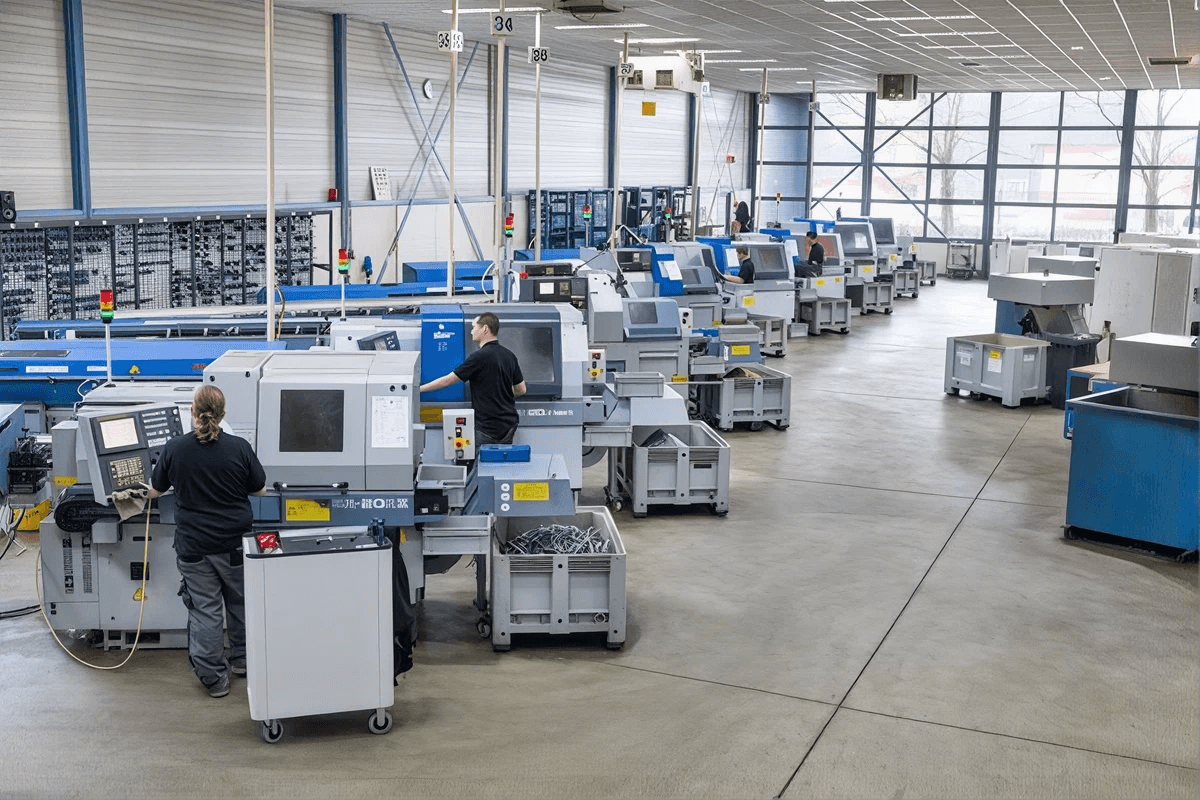
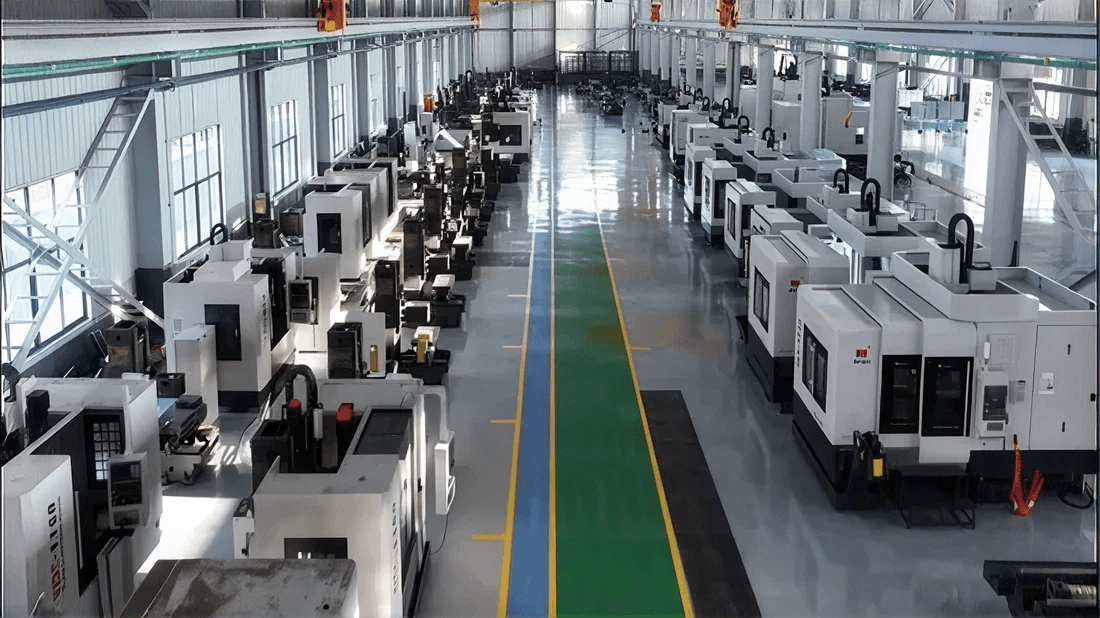
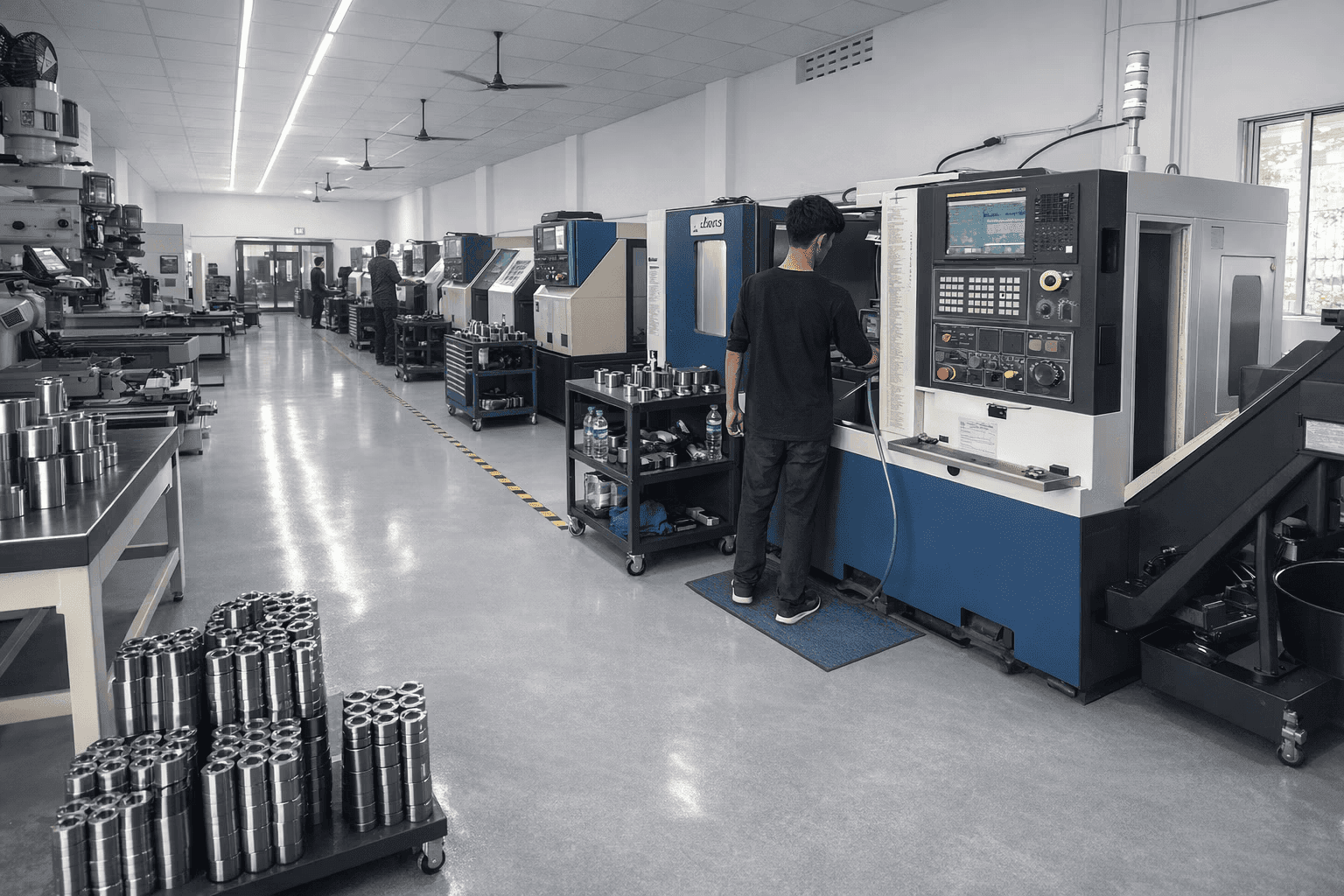
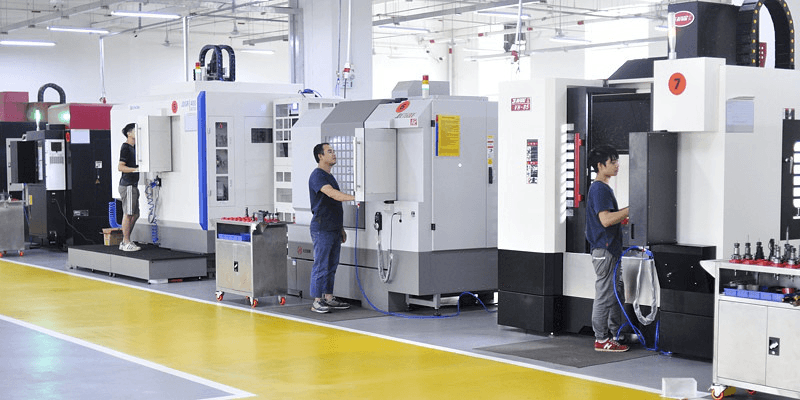
With 30 years of machining experience, we provide more than large part CNC machining. We manage the complete manufacturing process through one accountable team, giving you consistent quality, clearer communication and fewer suppliers to coordinate.Why Sango for FDM 3D PrintingEvery project is reviewed according to its size, weight, material, geometry and critical requirements. Our engineers coordinate the appropriate equipment, machining sequence, supporting processes and inspection plan to deliver a finished component that meets your drawing and arrives ready for its next stage.
700+Sets of Machine
120+Countries Shipped
20k+Customers Served
jlcmc-mechatronic-parts-marketplace 1
Start your project with our rapid 3D printing service. Ideal for creating detailed prototypes & custom parts quickly, we use advanced technologies to deliver high-quality, high-resolution prints with precise tolerances. 3D Printing/01
image-Photoroom (4) 1
For large-scale production needs, our injection molding service is the optimal choice. It is capable of producing high volumes of parts efficiently, maintaining consistent quality and precision. Injection Molding/03
image-Photoroom (4) 1
ai creator
Our urethane casting service bridges the gap between prototyping and mass production. Perfect for low to medium-volume production, creating durable, high-quality parts with excellent surface finish and detail.Vacuum Casting/02
Sango Online 3D Printing Service Solutions
Get Quote
Surface Roughness (Ra)Finishing ProcessDimensional Thickness ChangePrimary Application / Benefit
As-Machined (Standard)
Ra 1.6 – 3.2 µm0 µm
Standard structural and internal mechanical components
Bead Blasting
Electroless Nickel Plating
Ra 1.6 – 3.2 µmMinimal (<2 µm)Uniform matte cosmetic finish, eliminates tool marks
Ra 0.4 – 1.2 µm
+5 to +25 µm
(completely uniform)
Uniform coating for complex internal cavity geometries
Ra 0.8 – 1.6 µm
+5 to +15 µm
(half penetrates metal)
Corrosion resistance, decorative color options
Unchanged
0 µm
(microscopic conversion layer)
Corrosion resistance without changing part dimensions
Anodizing Type III (Hardcoat)
Precision Polishing (SPI A-1)
Powder Coating
Ra 0.8 – 2.0 µm+25 to +50 µm
Extreme wear resistance, high hardness for heavy duty parts
Ra 0.012 – 0.05 µm
-1 to -5 µm removal
Optical lenses, mold cavities, high-cosmetic panels
Smooth to Textured
+50 to +120 µm
Heavy-duty outdoor and cosmetic enclosure protection
Anodizing Type II
Passivation / Chem Film
3D Printing CapabilitiesWe provide a comprehensive overview of each rapid 3D printing process’s unique standards, aiding in informed decisions for your printing needs.
3D Printing Service
for Various Industries
3D printing is ideal for precision assembly components (via as-machined post-processing) and high-aesthetic visual parts (via painting/polishing). We provide industrial 3D printing services tailored to the requirements of regulated and high-performance industries.Our experience spans automotive, aerospace, and medical applications—from prototyping to low-volume production.
Our SLA laser systems cure resin at 25-micron layer resolution, holding tolerances up to ±0.05 mm for parts where surface finish and detail matter most./01
High Quality Parts​
Rectangle 306
Upload your CAD file for an instant quote — no tooling, no wait. SLA prototypes typically ship within 1-3 business days after order confirmation./02
Fast Lead Time
Rectangle 306
Our engineering team reviews wall thickness, support placement and resin selection on every file, giving you free DFM feedback before your SLA part goes to print./03
Engineering-Driven Support
Rectangle 306
Why Choose UsSango is a trusted provider of industrial 3D printing services, helping engineers and manufacturers produce high-quality parts with precision, speed, and reliability.
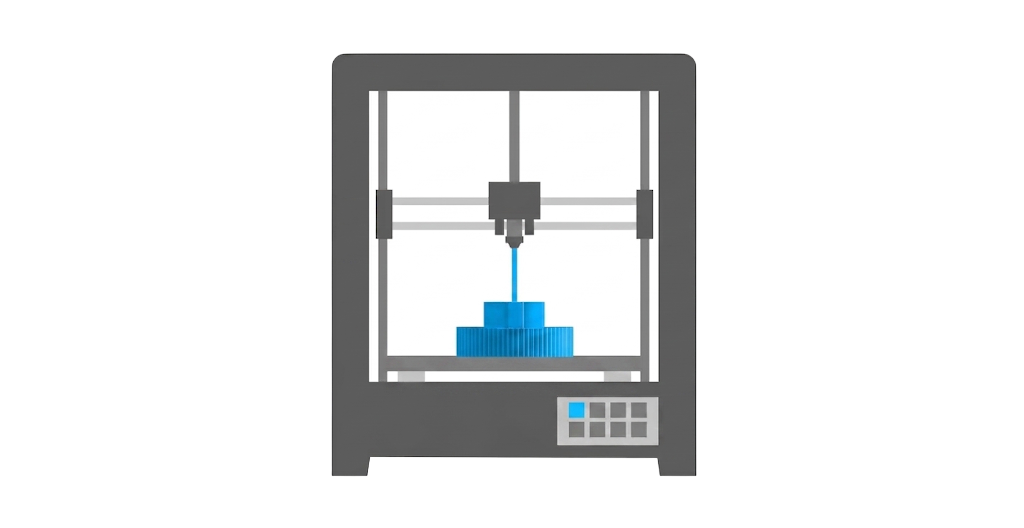
What’s SLA 3D Printing?SLA (Stereolithography) is a high-precision resin 3D printing process that uses an ultraviolet laser to cure liquid photopolymer resin layer by layer into solid parts. Known for exceptional surface finish and fine detail resolution, it delivers parts with smooth surfaces, sharp edges, and intricate geometries ideal for visual prototypes and high-detail applications.
ISO-certified manufacturing system
✓
Material traceability
✓
Batch consistency for production runs
✓
In-process quality control
✓
Dimensional inspection before shipment
✓
Tolerances up to ±0.1 mm
✓
Final inspection before delivery
✓