Sango Logo
Sango Surface Finishes

Surface Finishing for Appearance and Durability

Protective and cosmetic surface treatments engineered for corrosion resistance, wear protection, electrical conductivity, and finish consistency across metals and plastics.

✓
15+ finishing options across CNC, 3D printing, and sheet metal parts
✓
Aluminum, stainless steel, carbon steel, titanium, brass, and copper alloys
✓
Enhanced corrosion resistance, wear resistance, insulation, and durability
✓
ISO 9001:2015 and RoHS/REACH compliant, with CMM and gloss/roughness testing


Huawei Technologies
Samsung Electronics
Tata Motors
Delta Electronics
Lens Technology
Eveready Industries
Beijing Institute of Technology
Ansell LTD
NRTC
Chantelle
PT Wings Surya
PT Sun Paper Source
PT Supreme Paper Solution
Huawei Technologies
Samsung Electronics
Tata Motors
Delta Electronics
Lens Technology
Eveready Industries
Beijing Institute of Technology
Ansell LTD
NRTC
Chantelle
PT Wings Surya
PT Sun Paper Source
PT Supreme Paper Solution
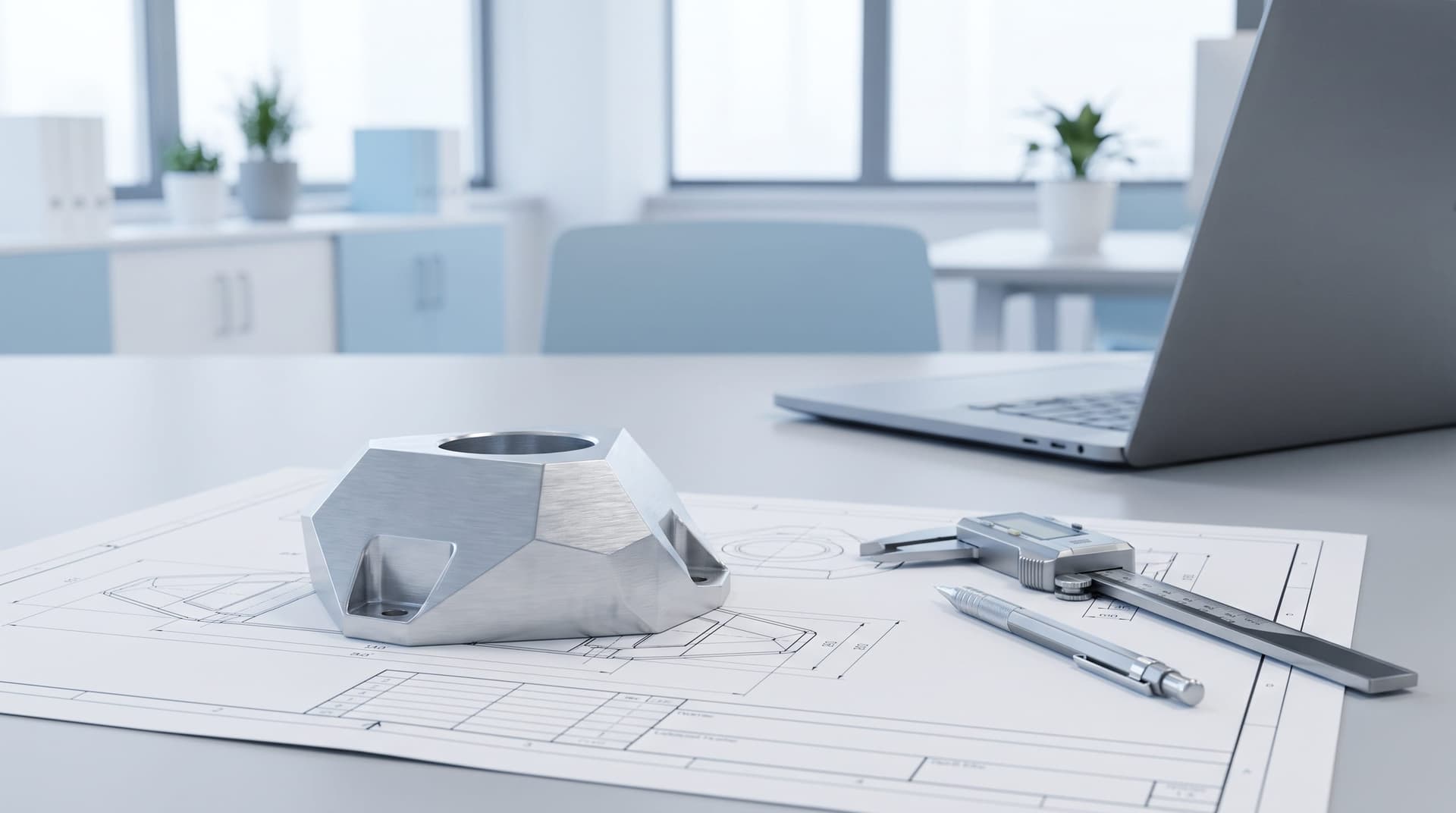
Engineer reviewing surface finish design
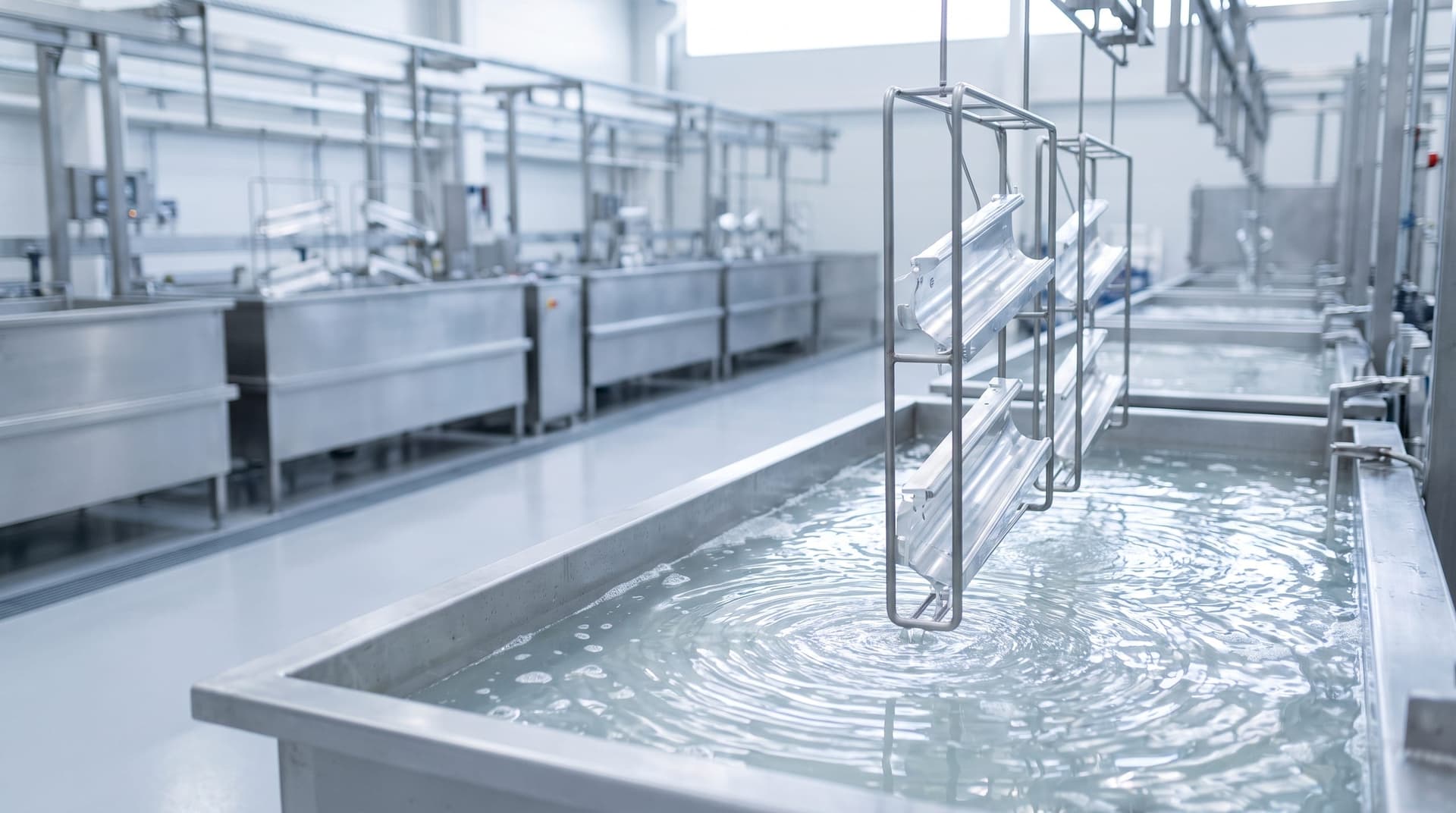
Precision surface finishing line
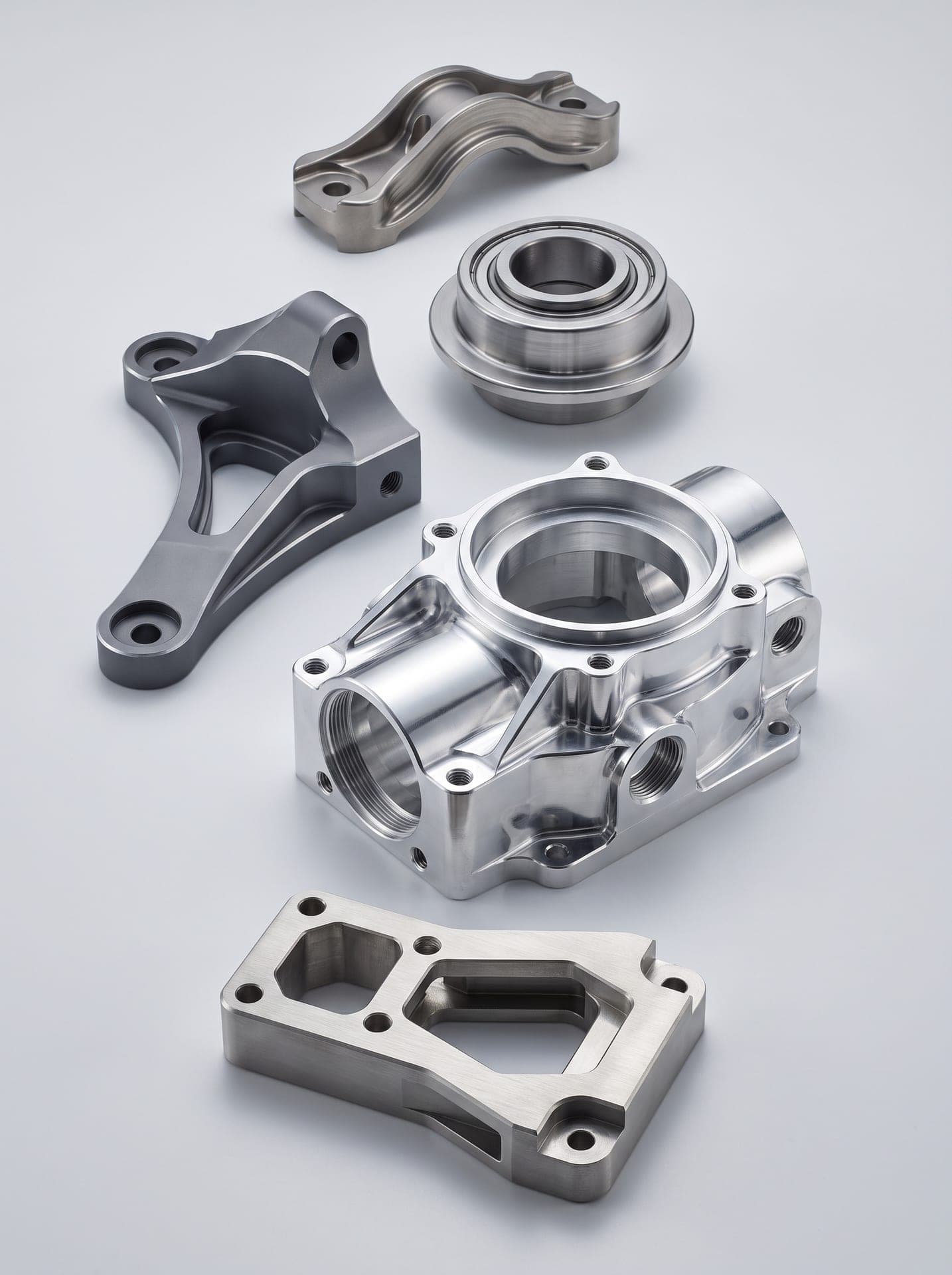
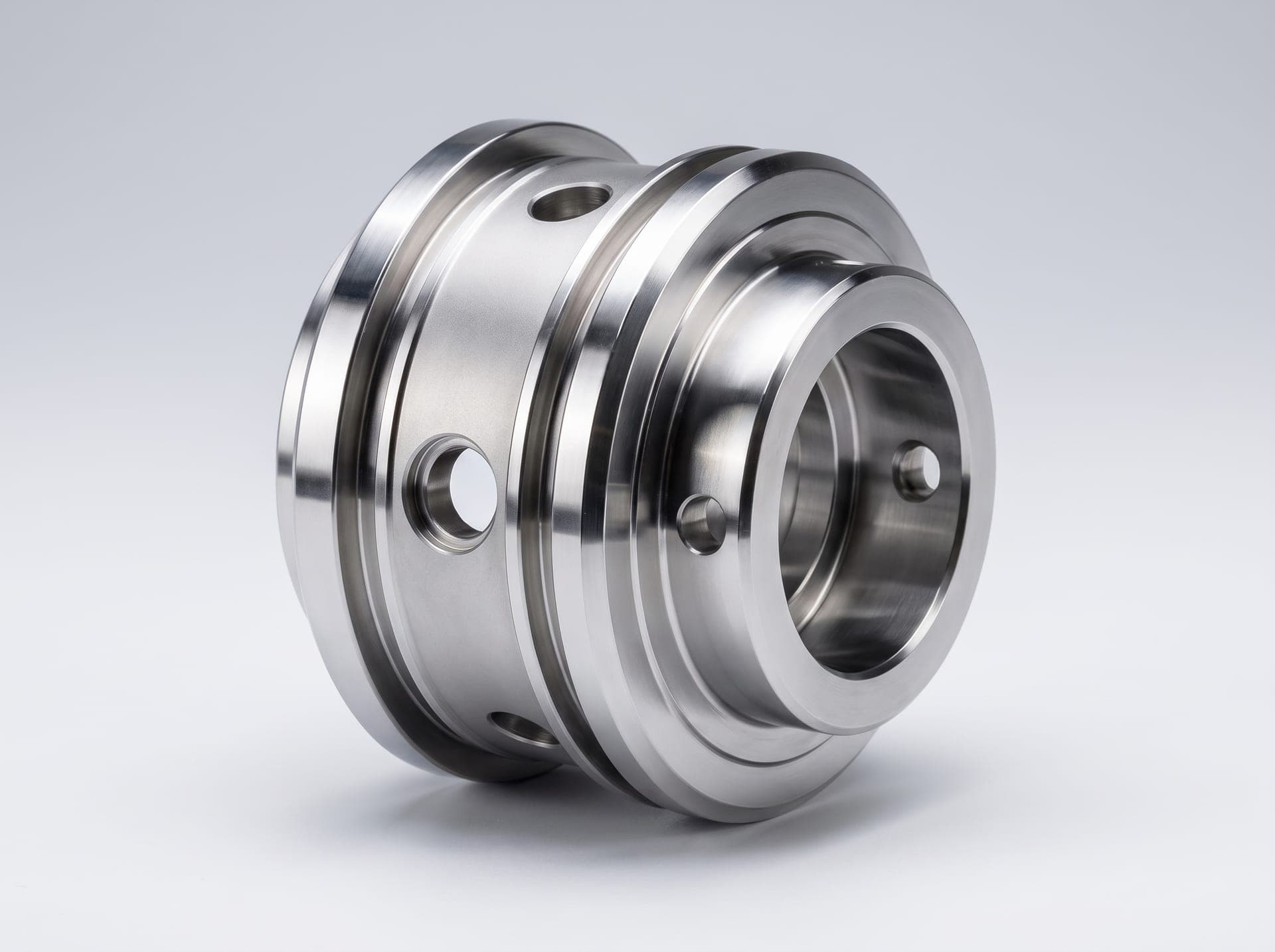
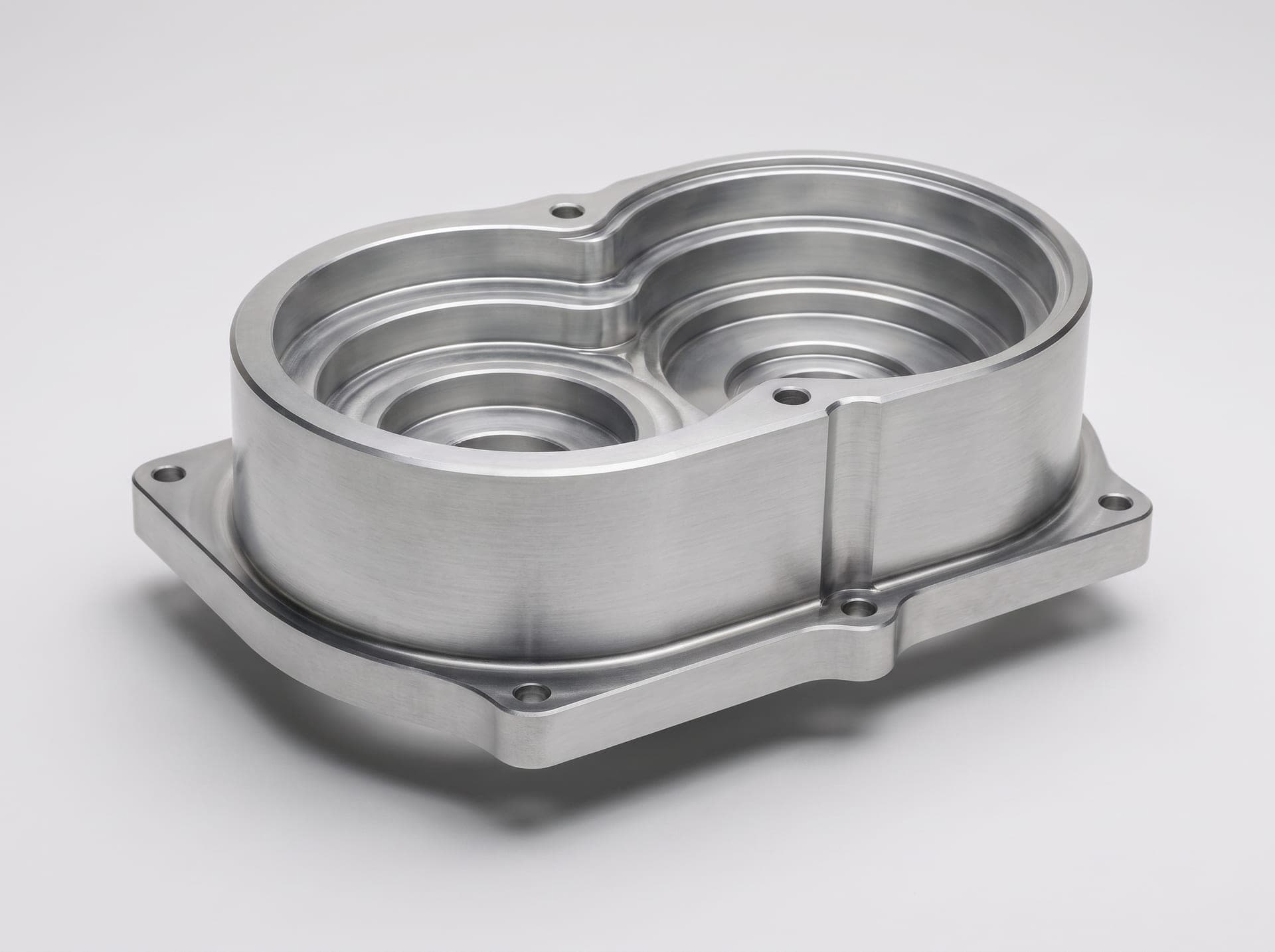
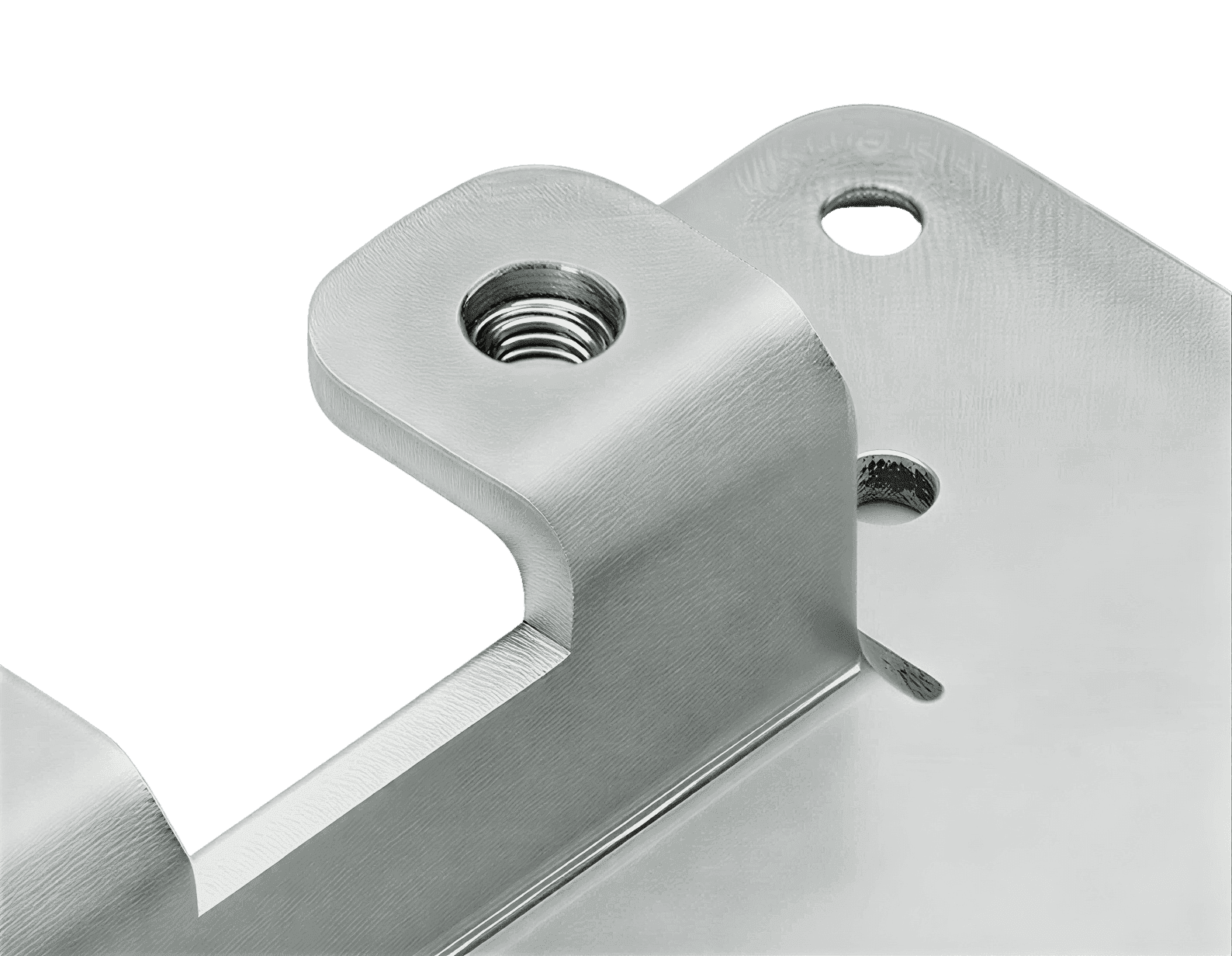
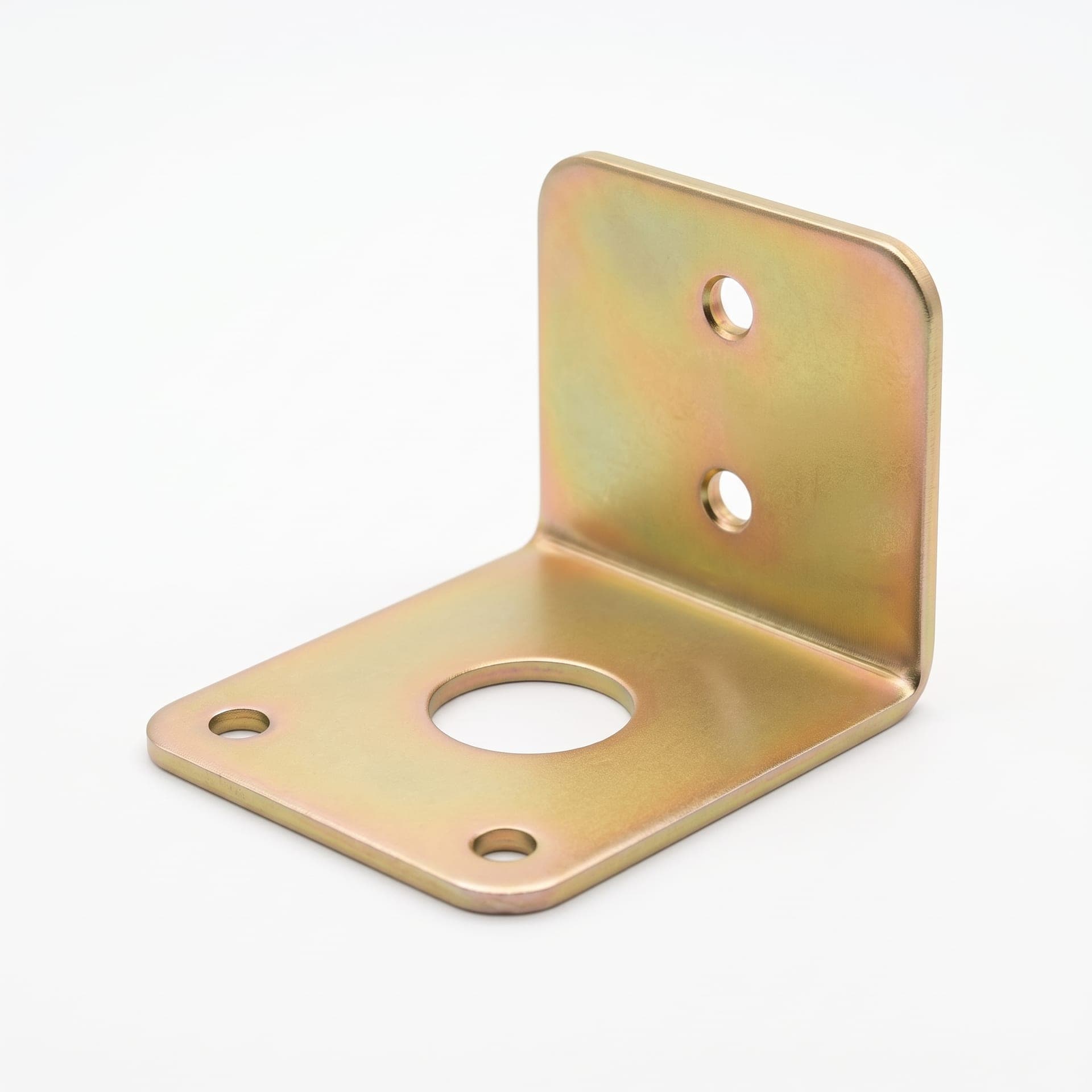
Finished metal components ready for assembly

What Is Surface Finishing and Why Does It Matter?

Surface finishing is any post manufacturing process that modifies a part's surface for corrosion protection, wear resistance, electrical conductivity, cosmetic appearance, or regulatory compliance. Sango applies finishes in house, whether the part comes off our CNC machining, sheet metal fabrication, injection molding, or 3D printing lines.

This means your finish specification is controlled by the same team that machined or molded your part, maintaining dimensional accuracy and eliminating the handling damage that often happens during outside transport.

Get Quote

Surface Roughness and Dimensional Specification Table

Representative roughness levels (Ra) and dimensional tolerances for key finishing processes.
Surface RoughnessFinishing ProcessDimensional Thickness ChangePrimary Application / Benefit
As-Machined (Standard)
Ra 1.6 – 3.2 µm0 µm Standard structural and internal mechanical components
Bead Blasting
Ra 1.6 – 3.2 µmMinimal (<2 µm) Uniform matte cosmetic finish, eliminates tool marks
Anodizing Type II
Ra 0.8 – 1.6 µm+5 to +15 µm
(half penetrates metal)
Corrosion resistance, decorative color options
Anodizing Type III (Hardcoat)
Ra 0.8 – 2.0 µm+25 to +50 µm Extreme wear resistance, high hardness for heavy duty parts
Electroless Nickel Plating
Ra 0.4 – 1.2 µm+5 to +25 µm
(completely uniform)
Uniform coating for complex internal cavity geometries
Passivation / Chem Film
Unchanged0 µm
(microscopic conversion layer)
Corrosion resistance without changing part dimensions
Precision Polishing (SPI A-1)
Ra 0.012 – 0.05 µm-1 to -5 µm removal Mirror surface for optical reflectors and medical molds
Powder Coating
Ra 1.2 – 3.0 µm+50 to +120 µm Heavy impact protection, outdoor weather resistance, custom RAL

The Surface Finishes Sango Applies Most Often

Each finish card includes Ra value, coating thickness, compatible materials, and typical applications.
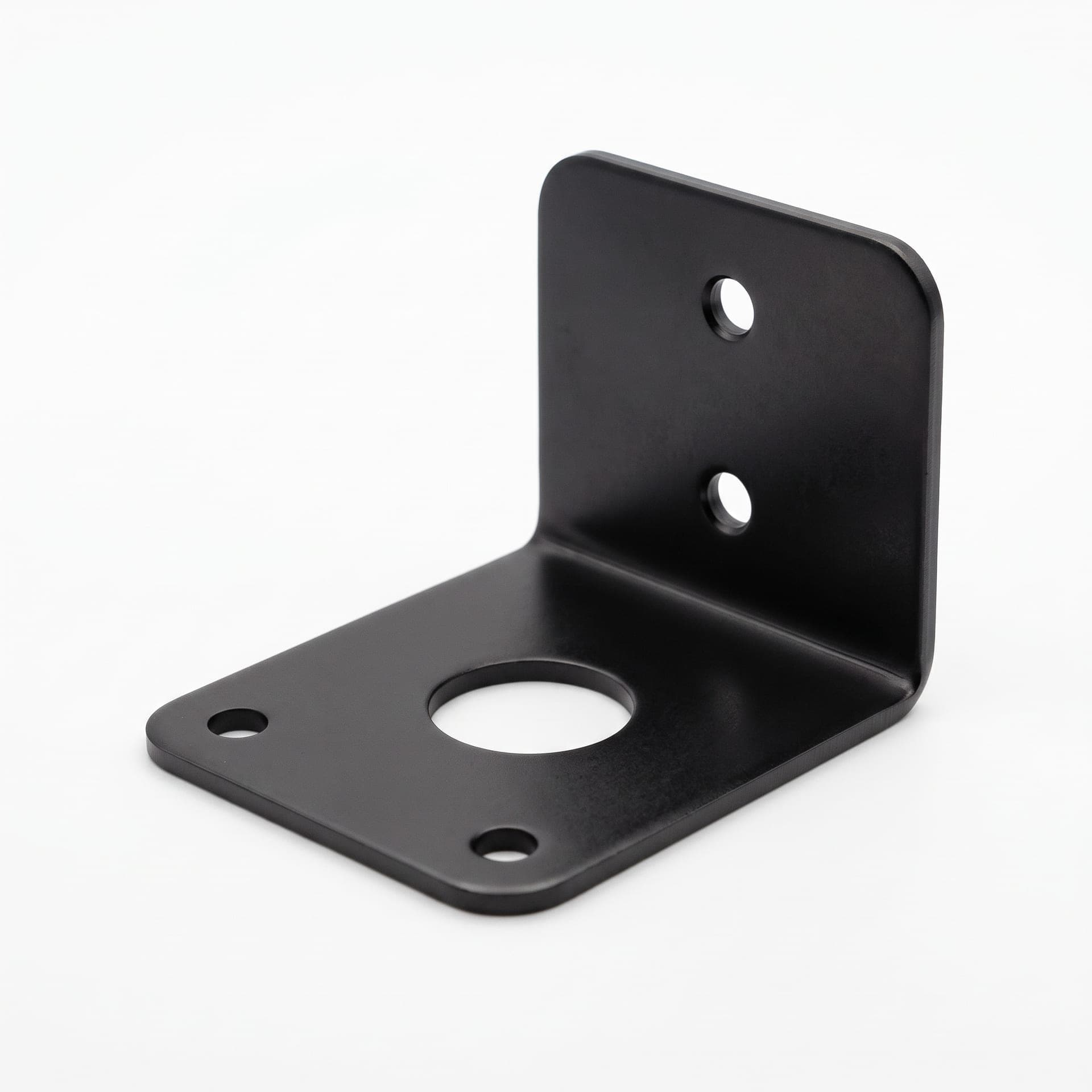
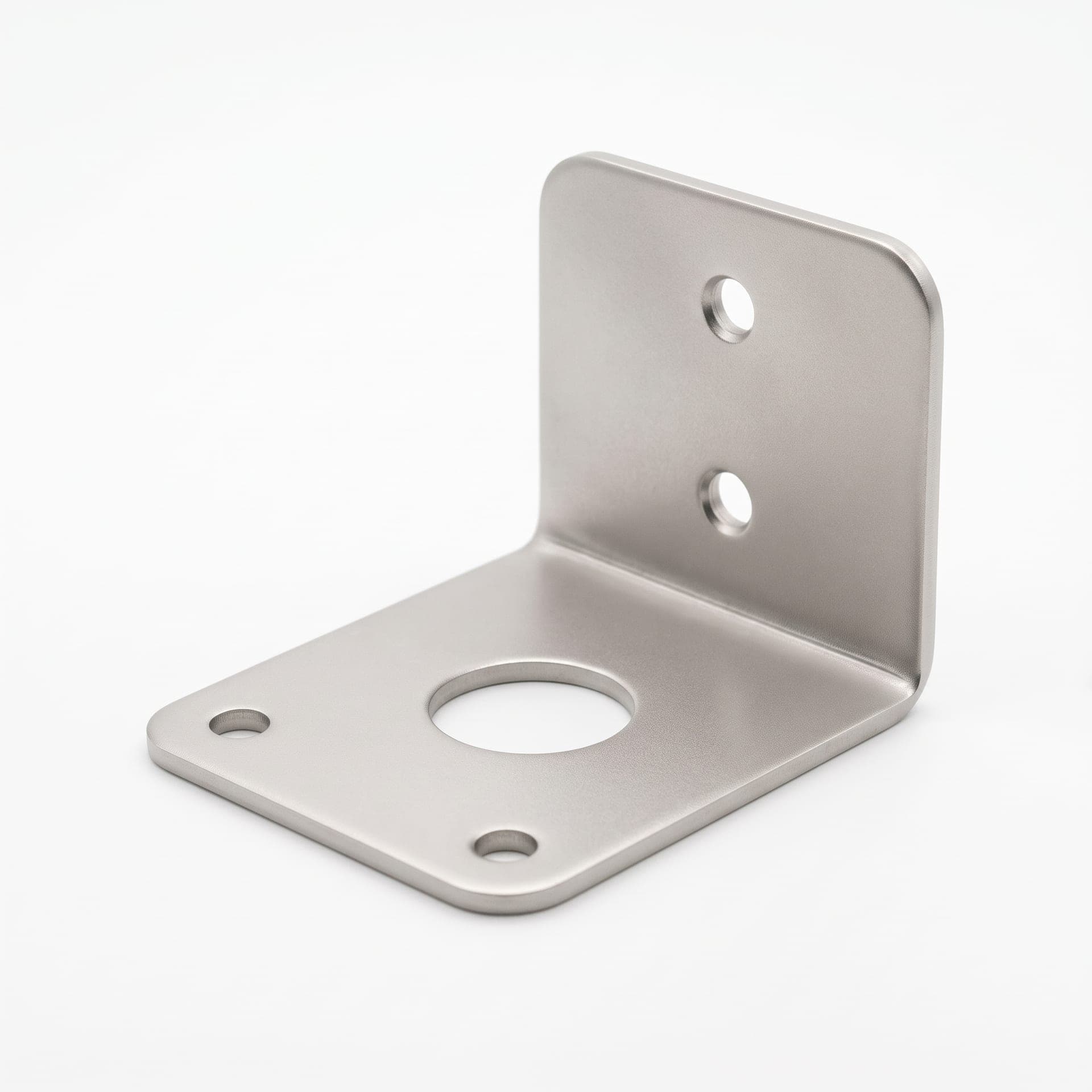
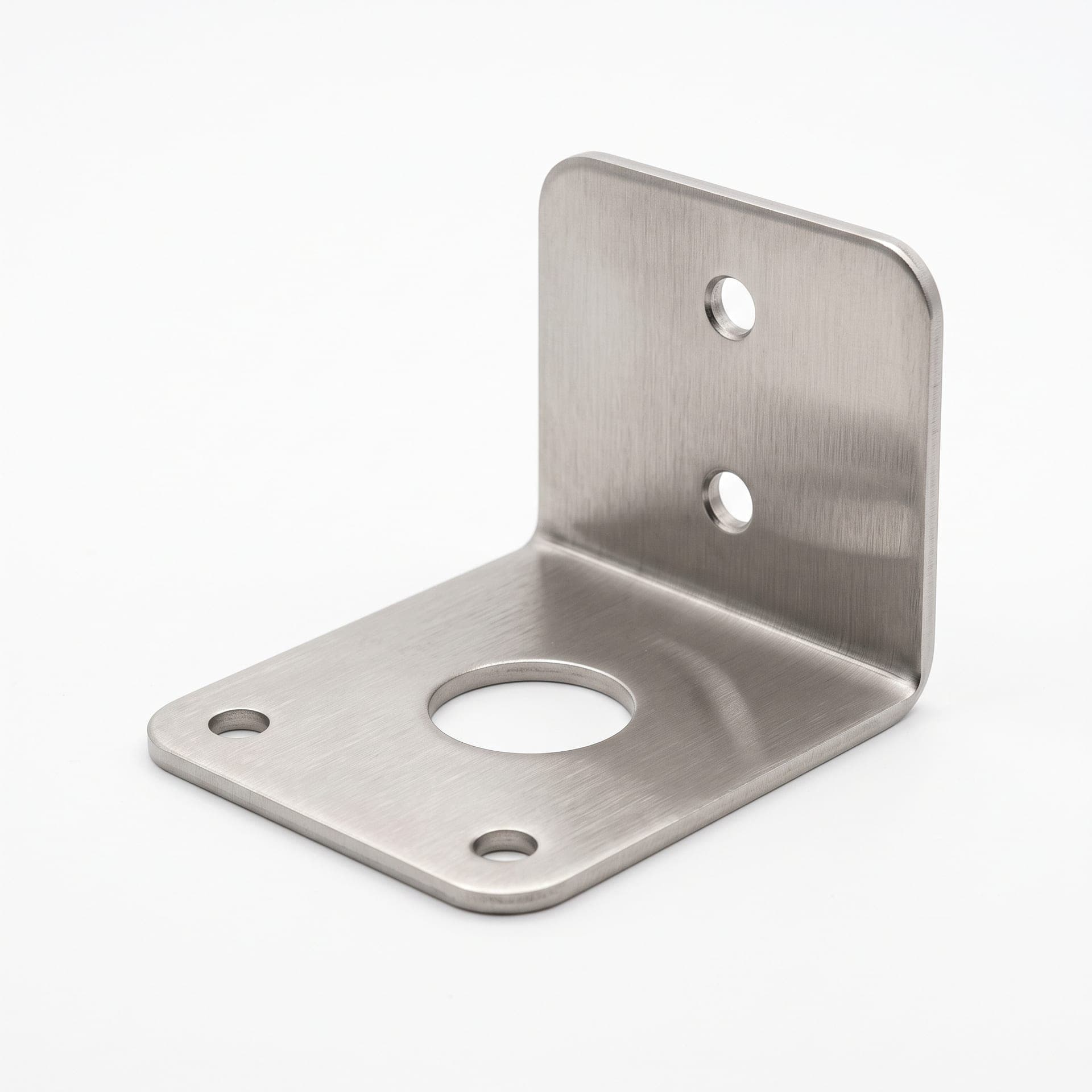
Brushed Satin Finish

Brushed Satin Finish

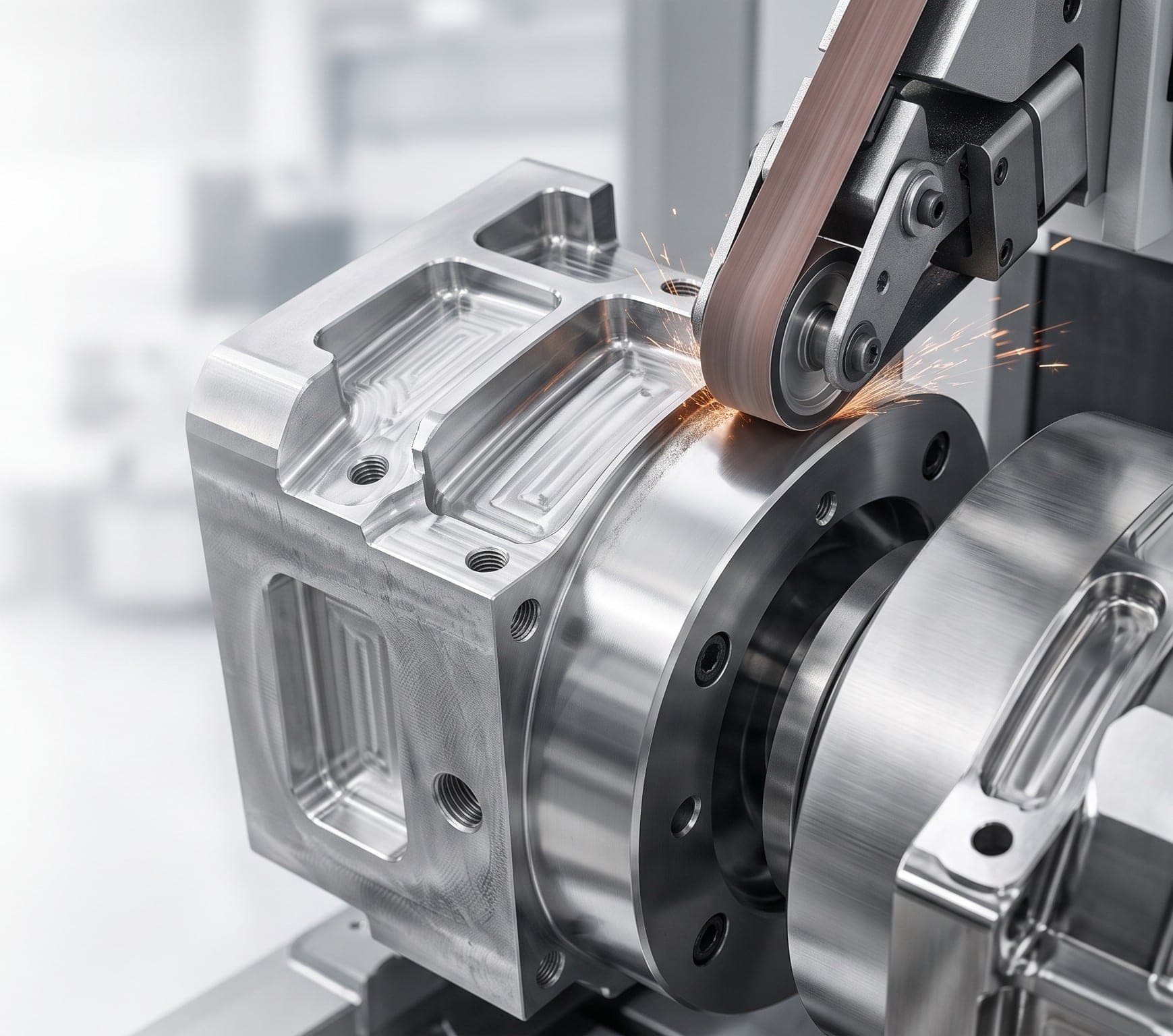
Brushing creates a directional satin finish (Ra 0.4 to 0.8µm) using 120 to 400 grit belts. Available on aluminum, stainless steel, titanium, and brass. Ideal for consumer facing panels and electrical hardware.

Black Oxide Coating

Black Oxide Coating

Black oxide coating is a 0.5 to 1.3 micron matte black conversion coating. Provides mild corrosion resistance and improved lubricity for fasteners, gears, and steel tooling components.

Passivation Process

Passivation Process

Passivation removes free iron from stainless steel surfaces, forming a chromium rich oxide layer. Enhances corrosion resistance without dimensional or finish changes. Ideal for medical, food grade, and chemical hardware.

Painting

Painting

Liquid paint applied by spray gun for custom colors and cosmetic top coats where powder coating is impractical. Typical dry film thickness of 25 to 75µm. Compatible with metal, steel, and most engineering plastics.

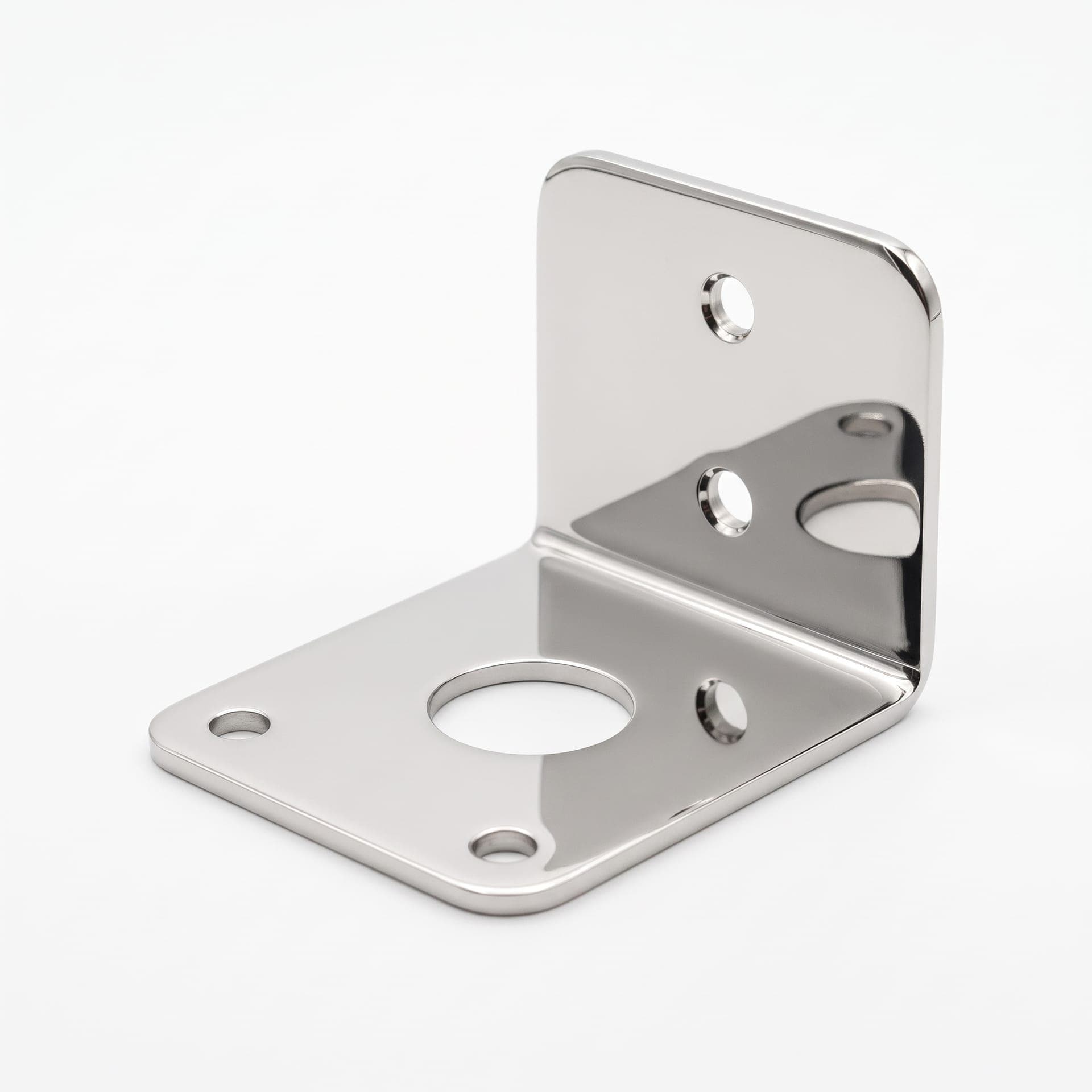
Polishing & Buffing

Polishing & Buffing

Mechanical or vibratory polishing progressively removes tooling marks to reach a mirror or near mirror finish (Ra down to 0.05µm). Works on aluminum, stainless steel, brass, and copper. Ideal for mold cavities, reflectors, and cosmetic parts.

Alodine / Chem Film

Alodine / Chem Film

Chromate conversion coating (Alodine / chem film) applied to aluminum, forming a thin conductive layer with minimal dimensional change. Improves corrosion resistance while preserving electrical conductivity.

Surface Finishing Available Across Every Manufacturing Process

Whatever process produces your part, our finishing line can treat it. Select a process below to see compatible finishes and specs.

Get Instant Quote

3D Printing

±0.008 in.Precision
1 DayFast Lead Time
SLA / MJF / SLS / SLMTechnologies
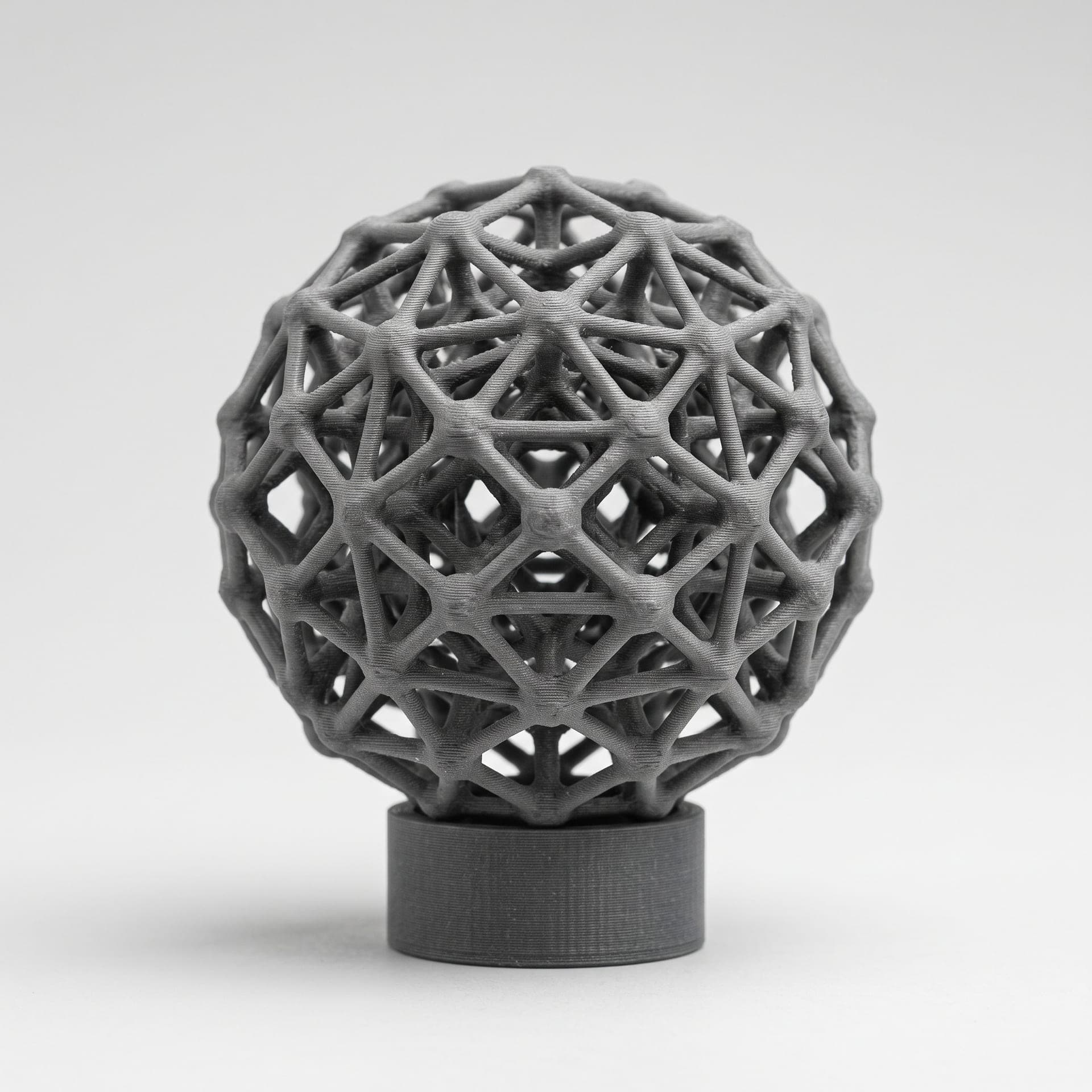
Functional prototypes and complex end use parts
Industrial nylon, resin, and photopolymer powder material
Complex geometries and internal channels without tooling cost
3D Printing

How Sango's Surface Finishing Process Works

Let's Get Started
Step 1 — Automated DFM Review

/01

Upload your STEP, STP, STL, or IGES file. Our engineers review your part for finish compatibility, including thread protection, tight tolerance features, and masking requirements.

Step 1 — Automated DFM Review

Step 2 — Select Finish & Confirm Quote

/02

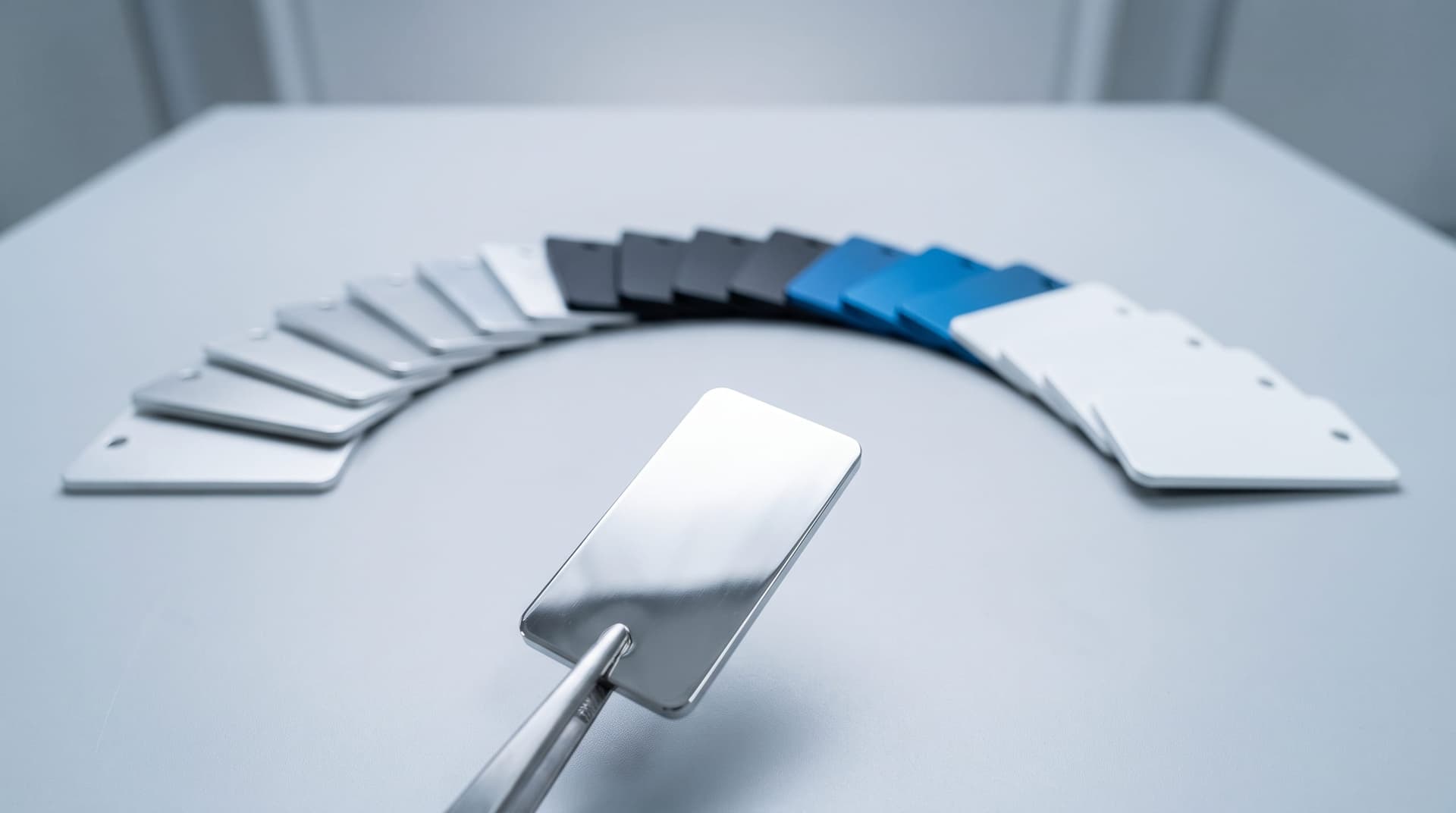
Choose your finish, texture, and color. We confirm material compatibility and price before your order enters production.

Step 2 — Select Finish & Confirm Quote

Step 3 — In House Finishing

/03

Once your order is confirmed, your part is machined or molded and moved directly into our in house finishing line, avoiding the shipping delays and handling damage that come with outsourcing to a third party finisher.

Step 3 — In House Finishing

Step 4 — Inspection & Shipment

/04

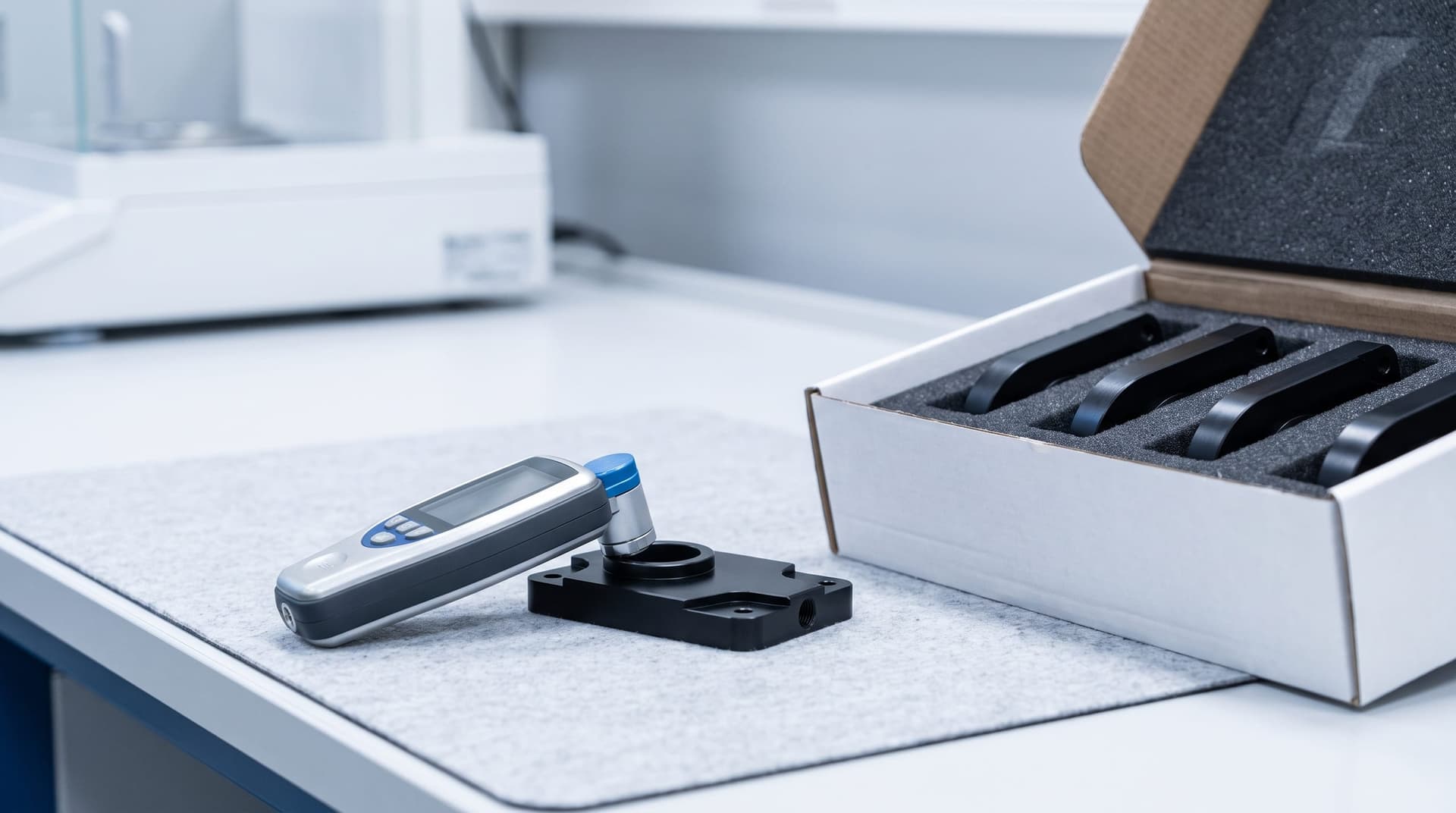
Every finished part is checked for coating thickness, roughness, and color match, with data available on request before it ships.

Step 4 — Inspection & Shipment

Frequently Asked
Questions.

Sango Surface Finishing FAQ
What makes Sango different from other finishing providers or intermediaries?

We finish parts in house, in the same facility that machined or molded them. There is no shipping to a third party finishing shop and back, which is where dimensional drift and handling damage usually happen.

How fast can your team deliver finished parts?
What surface finishes and colors are available?
Do you offer material certificates or test reports for finished parts?
Do your finishing processes comply with RoHS, REACH, or other EU standards?
What if my finished parts do not meet the required specifications?