
Advanced 5-Axis CNC Milling vs. Conventional 3-Axis: Cost & Precision Analysis
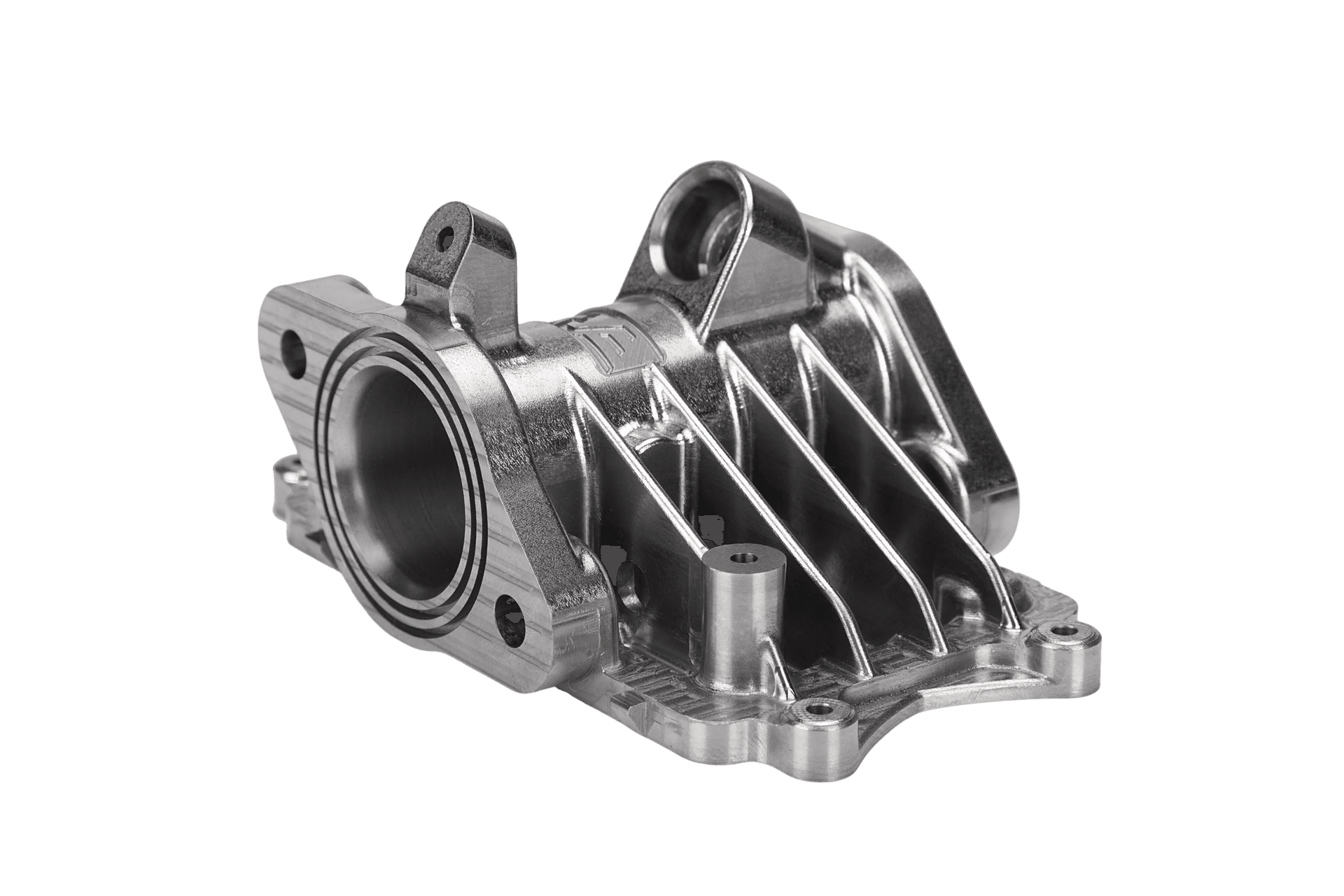
A comprehensive breakdown of cycle times, setup reduction, geometric freedom, and tolerance stability across multi-axis machining centers.
While 3-axis CNC machining remains the standard for planar and single-sided prismatic parts, 5-axis simultaneous milling delivers unmatched economic and accuracy advantages for contoured 3D geometries. By consolidating multi-step setups into a single clamping, 5-axis eliminates fixture repositioning errors, shortens tool gauge lengths to reduce vibration, and achieves tolerances down to ±0.005mm. For parts with compound angles or deep pockets, that single-setup approach also removes the stack-up error that comes from re-indexing a 3-axis job across multiple fixtures — often the real difference between a part that assembles cleanly and one that needs hand-fitting.
Actionable Manufacturing Recommendations
To carry a design like this into production without surprises, verify every tolerance callout against the process capability you're actually quoting, specify a standard surface finish rather than a custom one wherever function allows, and flag any features you're unsure about at the CAD upload stage — our DFM feedback catches most cost and manufacturability issues before tooling or programming begins.
Need a competitive manufacturing quote?
Upload your 3D CAD files for instant pricing and automated DFM analysis.