Key engineering differences between MIL-A-8625 Type II sulfuric anodizing and Type III hardcoat anodizing for wear and dielectric strength.
Anodizing is an electrochemical process that thickens the natural aluminum oxide layer on precision CNC parts. Understanding the critical mechanical, dimensional, and aesthetic differences between MIL-A-8625 Type II and Type III Hardcoat anodizing prevents costly tolerancing mistakes.
Key Engineering Takeaways
- Type II is ideal for aesthetic colors and moderate corrosion resistance.
- Type III Hardcoat provides superior wear resistance and 60+ HRC surface hardness.
- Specify Class 1 for non-dyed and Class 2 for dyed finishes under MIL-A-8625.
Dimensional Growth and Penetration
Unlike electroplating which only adds material, anodizing penetrates into the base aluminum:
- Type II: 50% penetration into the substrate, 50% growth on the surface (e.g. a 20 µm coating adds 10 µm per side).
- Type III: 50% penetration, 50% growth with total thicknesses ranging from 25 µm to 75 µm.
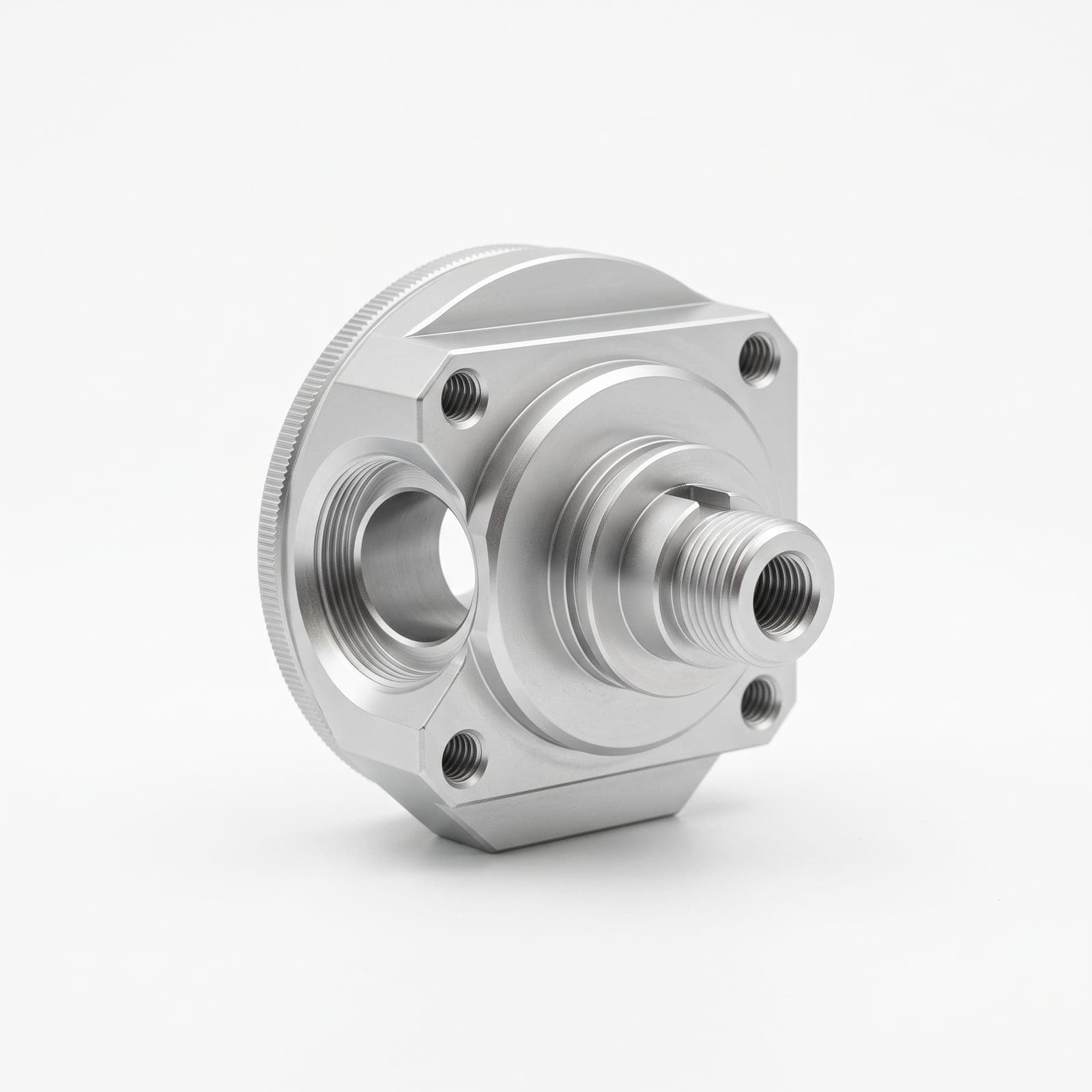
- Thread and Bore Considerations: Machine internal threads slightly oversize (or mask) when planning for heavy hardcoat layers.
Actionable Manufacturing Recommendations
Include explicit tolerancing callouts on your 2D PDF drawings indicating whether dimensions apply before or after surface finishing.
Need a competitive manufacturing quote?
Upload your 3D CAD files for instant pricing, engineering review, and automated DFM feedback.