Precision Engineering: Designing Custom Enclosures for Extreme Environments
Explore critical DFM guidelines, thermal dissipation strategies, and material selections for rugged industrial and aerospace enclosures.
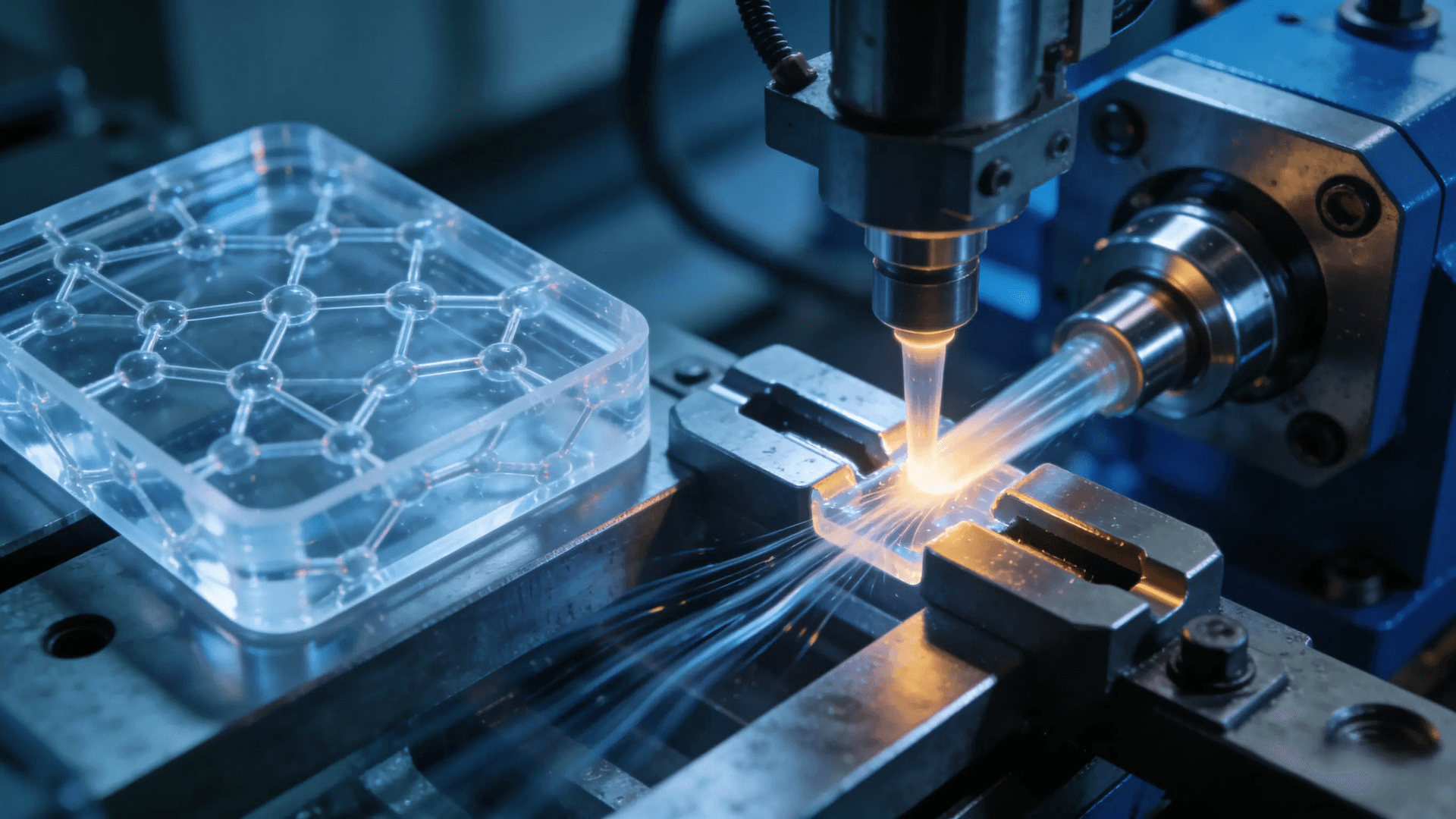
Designing enclosures for harsh industrial and aerospace environments demands a rigorous approach to material selection, ingress protection sealing, and thermal management. Aluminum 5052-H32 and 6061-T6 provide the optimum balance of specific stiffness, electromagnetic shielding, and corrosion resistance when coupled with Type III hardcoat anodizing. Continuous robotically-dispensed polyurethane gaskets ensure IP66/NEMA 4X integrity against moisture, dust, and washdown chemicals. Wall thickness, rib placement, and fastener boss design all affect how the enclosure sheds heat and resists vibration in the field, which is why we review these details during DFM rather than after the first article is machined.
Actionable Manufacturing Recommendations
To carry a design like this into production without surprises, verify every tolerance callout against the process capability you're actually quoting, specify a standard surface finish rather than a custom one wherever function allows, and flag any features you're unsure about at the CAD upload stage — our DFM feedback catches most cost and manufacturability issues before tooling or programming begins.
Need a competitive manufacturing quote?
Upload your 3D CAD files for instant pricing and automated DFM analysis.