
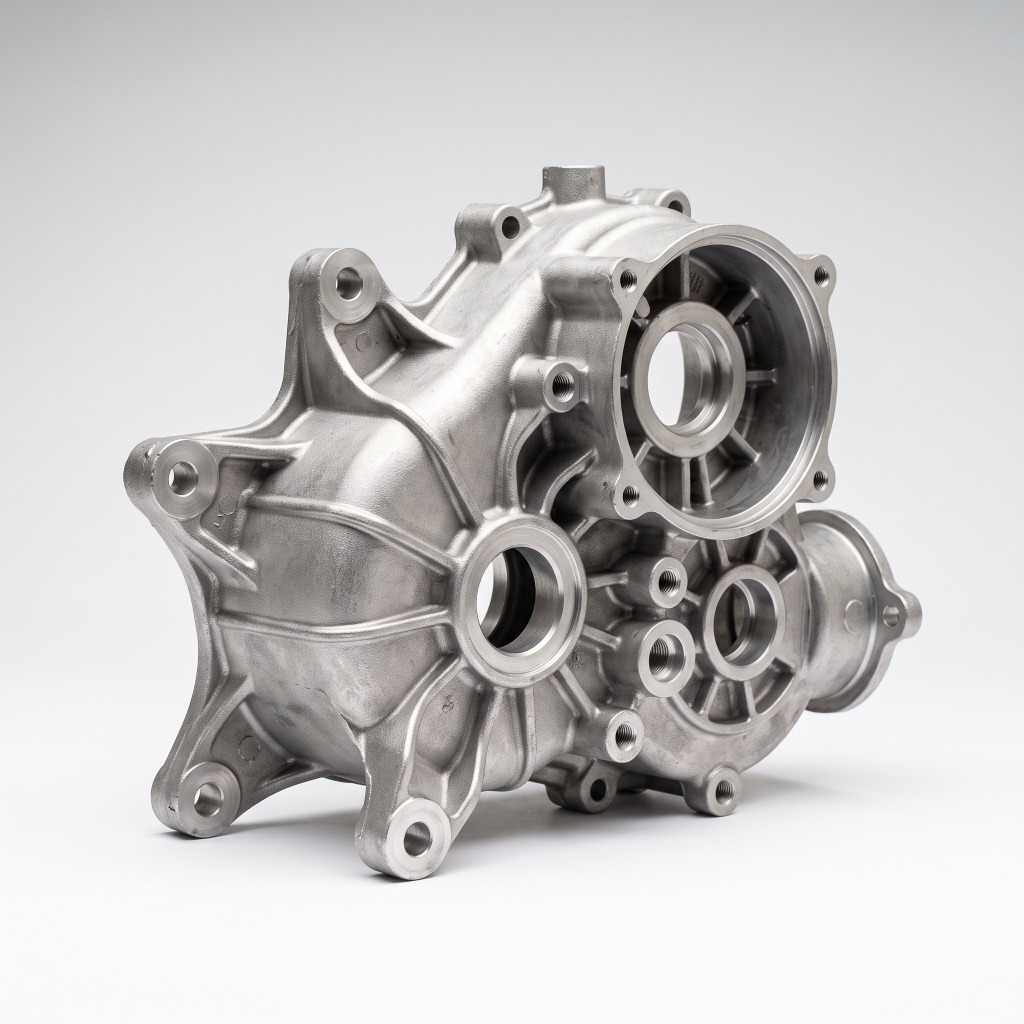
Aluminum Casting
High integrity aluminum die casting, sand casting, and permanent mold casting engineered for lightweight strength, high thermal conductivity, and complex thin walled structural parts.
Choosing the Right Aluminum Casting Process for Your Part
High integrity aluminum die casting, sand casting, and permanent mold casting engineered for lightweight strength, high thermal conductivity, and complex thin walled structural parts.
Why Choose Cast Aluminum for Structural and Thermal Parts
Ultra Lightweight Structural Strength
Reduces overall assembly weight by up to 65% compared to cast iron while maintaining exceptional structural rigidity and load rating.
Superior Thermal and Electrical Dissipation
High thermal conductivity up to 160 W/mK provides rapid heat dissipation for EV motor enclosures, battery trays, and LED heat sinks.
Complex Thin Walled Geometries
Casts intricate wall sections down to 1.2mm with internal strengthening ribs, minimizing weight without compromising load rating.
Excellent Surface Finishing and Anodizing
Highly responsive to Type II/III hard anodizing, alodine chromate conversion, powder coating, and durable electrophoretic deposition finishing.
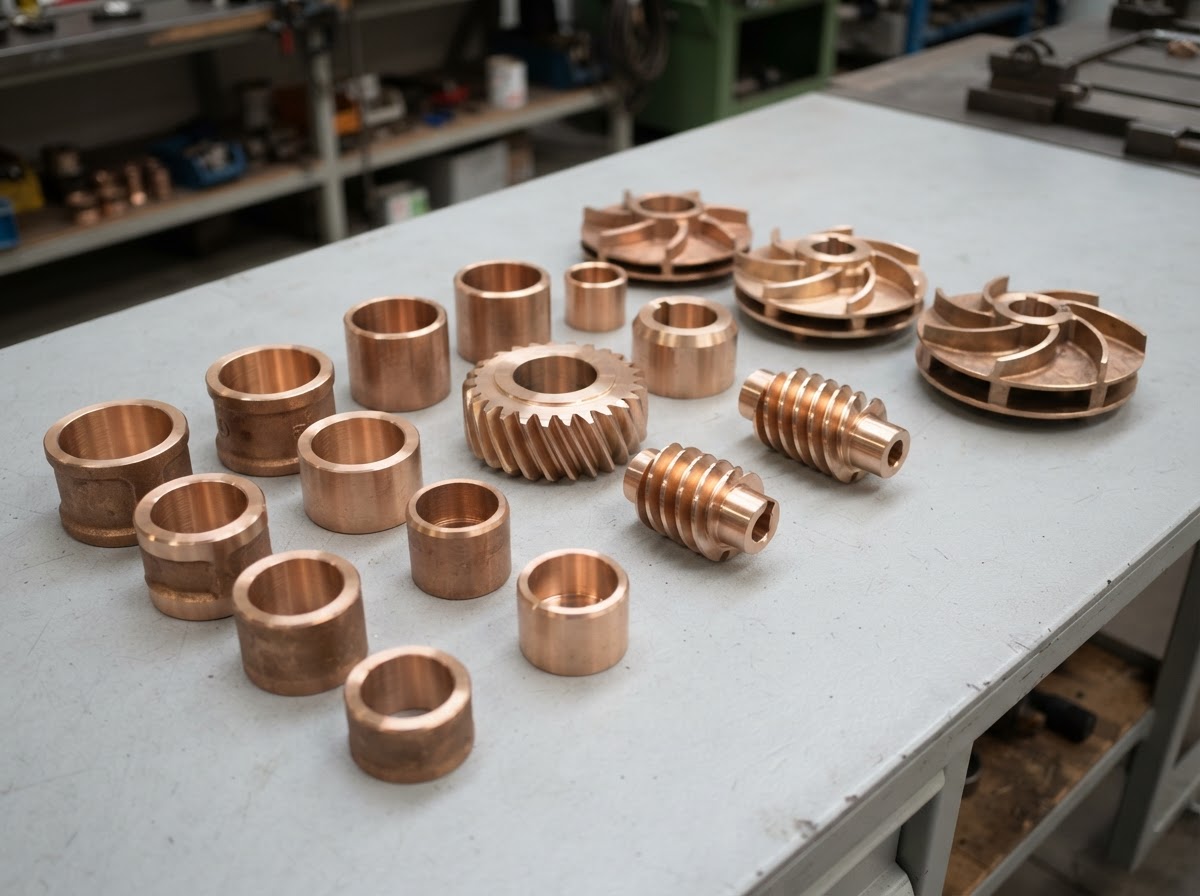
Classification
Materials
A356/AlSi7Mg (High Strength Structural Alloy)
Primary permanent mold and sand casting alloy optimized for T6 heat treatment, delivering high elongation, impact toughness, and structural strength.
A380/ADC12 (High Fluidity Die Casting Alloys)
Premier high pressure die casting alloys offering excellent castability, dimensional stability, and tight tolerance for electronic housings.
AlSi10Mg and Custom Thermal Alloys
Formulated for superior thermal management, ideal for high wattage power electronics enclosures, heat exchangers, and cooling plates.
Forming Method
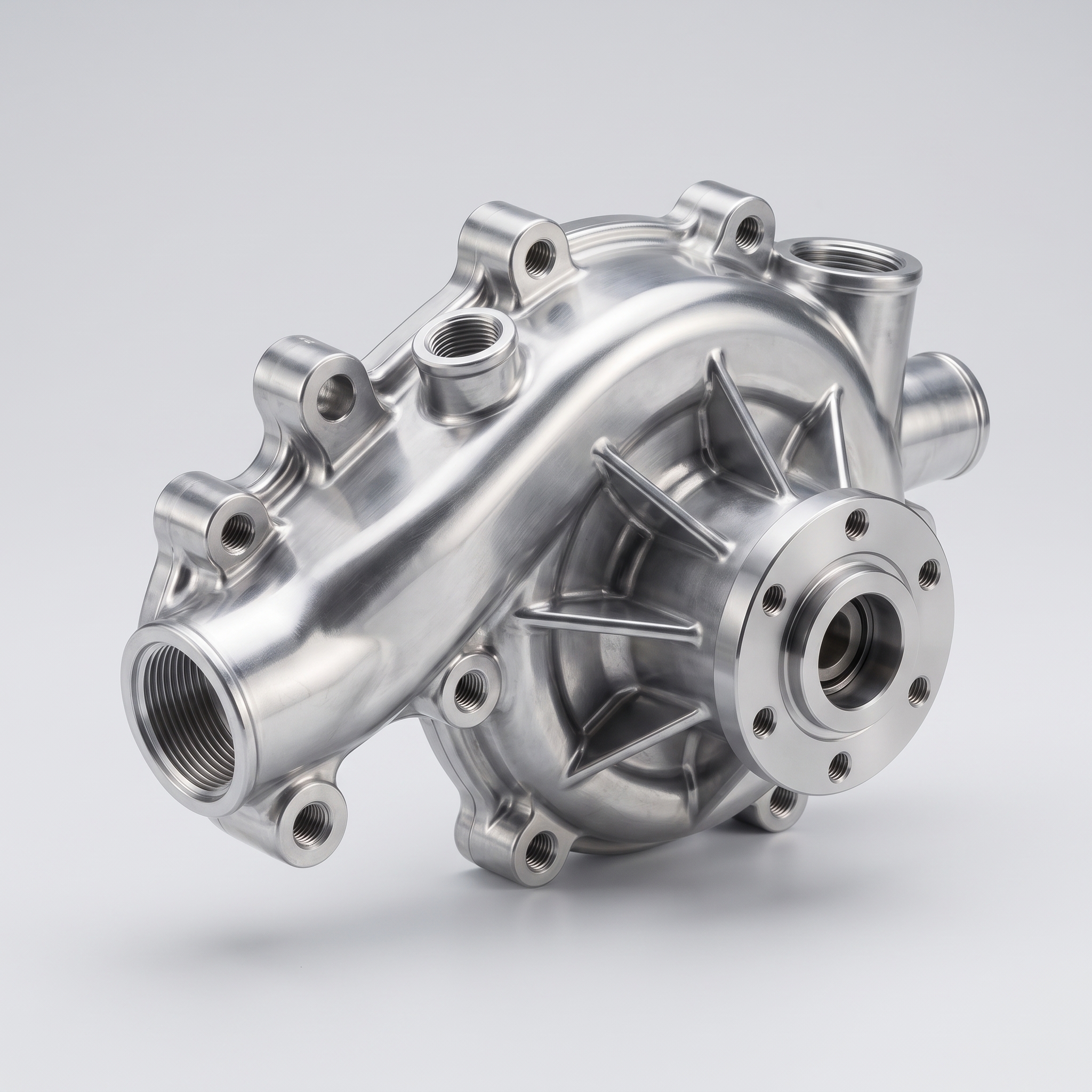
High Pressure Die Casting (HPDC)
Automated high speed production method ideal for thin walled, high volume aluminum components with smooth surface finish.
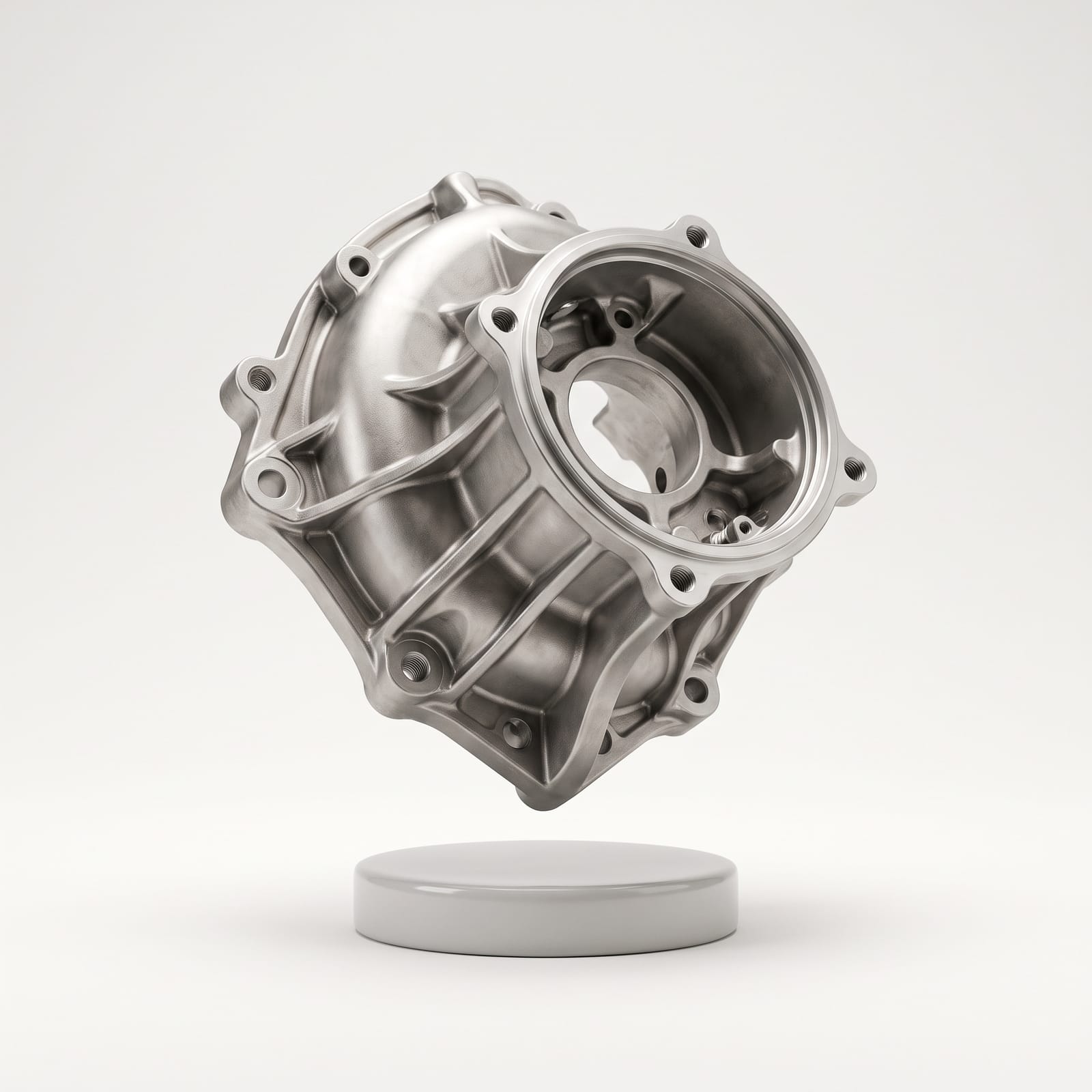
Low Pressure Die Casting (LPDC)
Yields high density structural castings with low gas entrapment, perfect for automotive wheels, suspension knuckles, and pressure vessels.
Permanent Mold (Gravity) Casting
Produces dense, pore free aluminum castings highly responsive to T6 solution and age heat treatment for structural robotics.
Green Sand and Resin Sand Casting
Cost effective method for prototyping and large scale structural aluminum castings requiring minimal tooling investment.
Aluminum Casting Process Parameters
Engineering allowances and metallurgical specifications for precision aluminum casting.
Aluminum Casting Production Workflow
Four controlled stages ensuring gas degassing, T6 heat treatment, and precision CNC finishing.
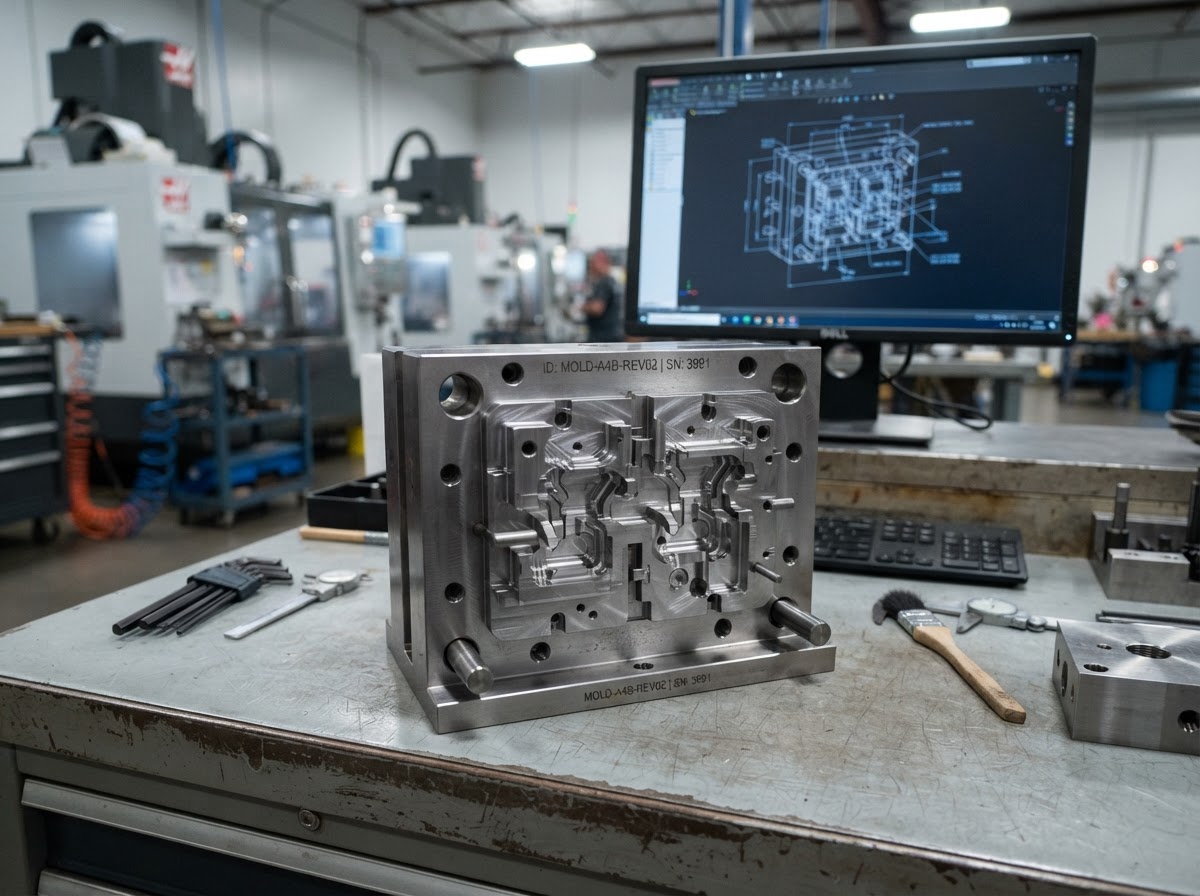
Mold Flow Thermal Simulation and Alloy Selection
CAD models undergo thermal mold flow analysis to optimize gating systems. Spectrometrically verified aluminum ingots are prepped for melting.
Die Tooling and Ceramic Mold Prep
Hardened steel dies (H13) or ceramic sand molds are pressed and preheated to exact thermal equilibrium.
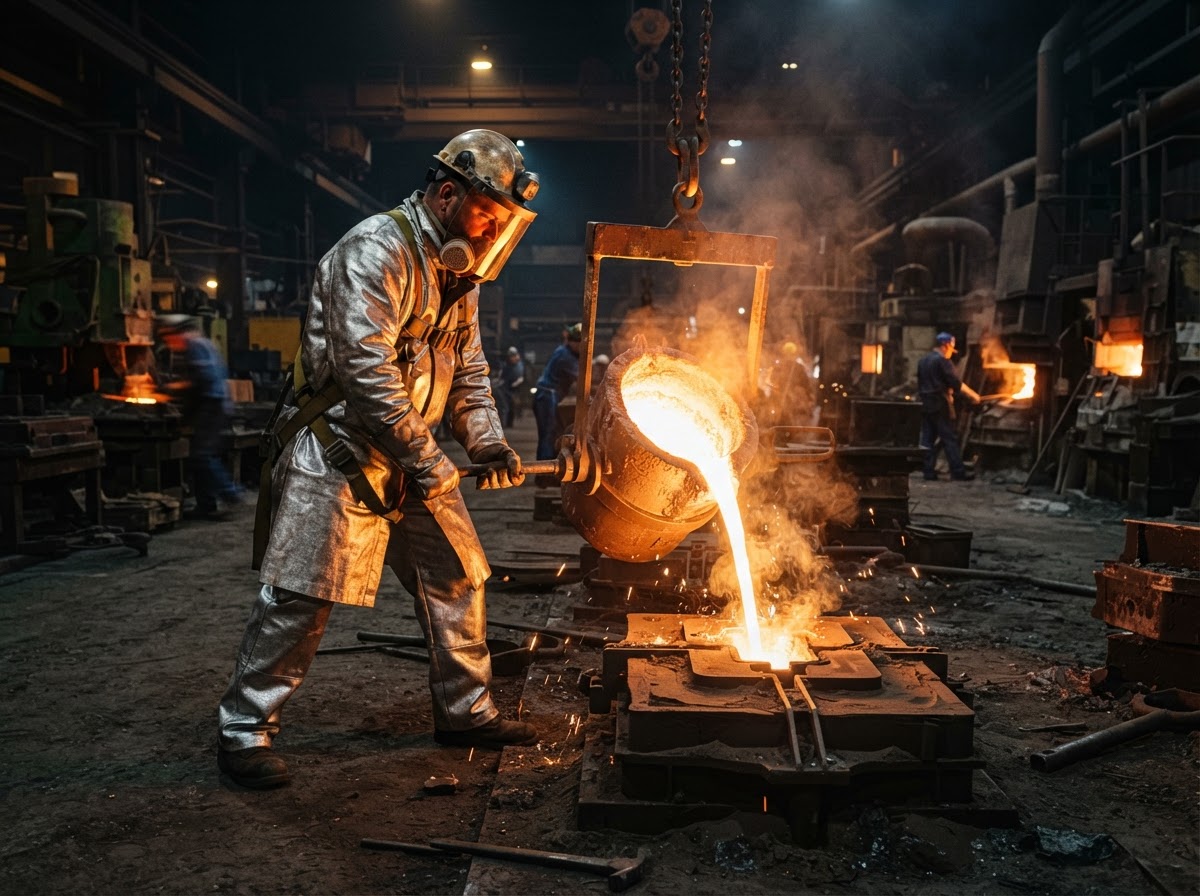
Melt Degassing and Automated Injection
Molten aluminum is degassed with argon rotary impellers to remove hydrogen, followed by automated high pressure or gravity pouring.
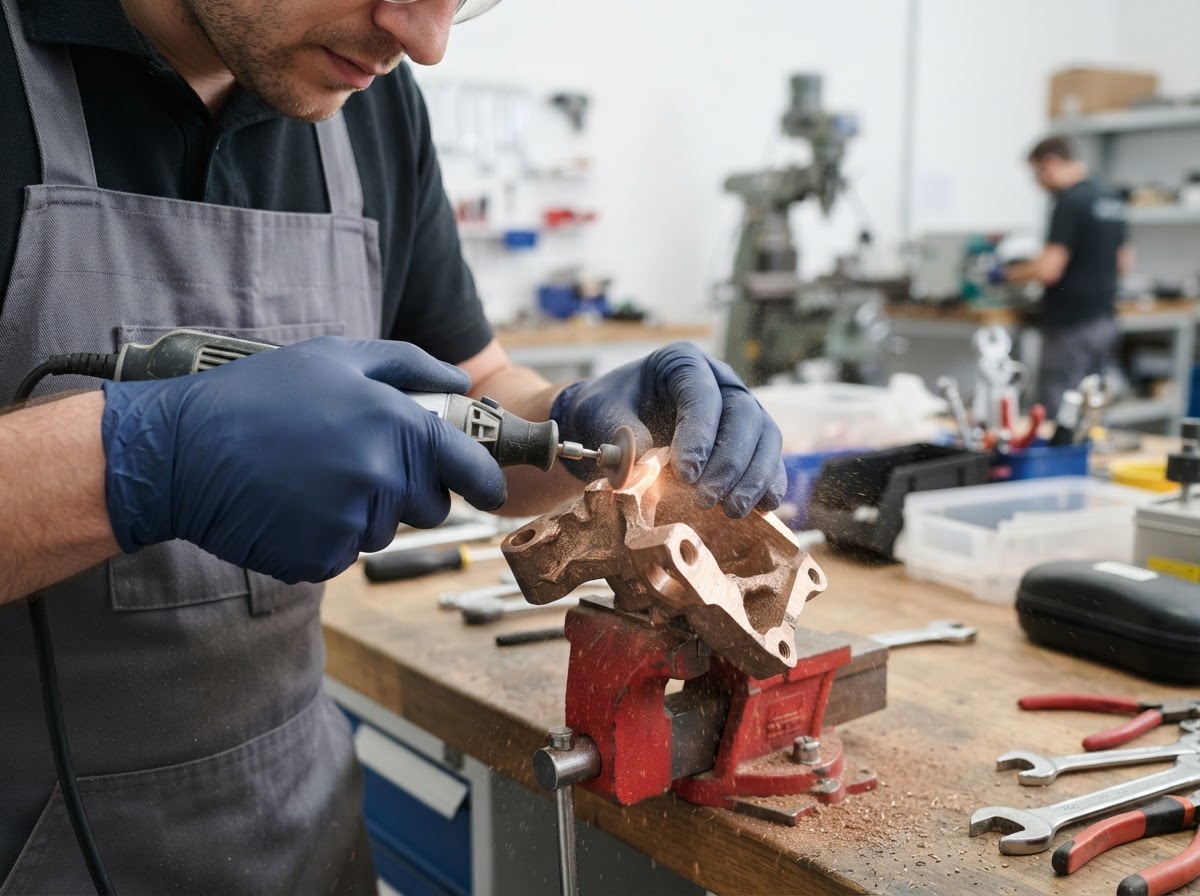
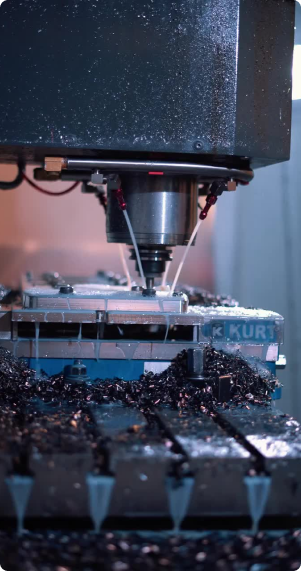
T6 Heat Treatment and CNC Finishing
Castings undergo T6 solution heat treatment and artificial aging, shot blasting, 5 axis CNC post machining, and anodizing.
Industrial Applications
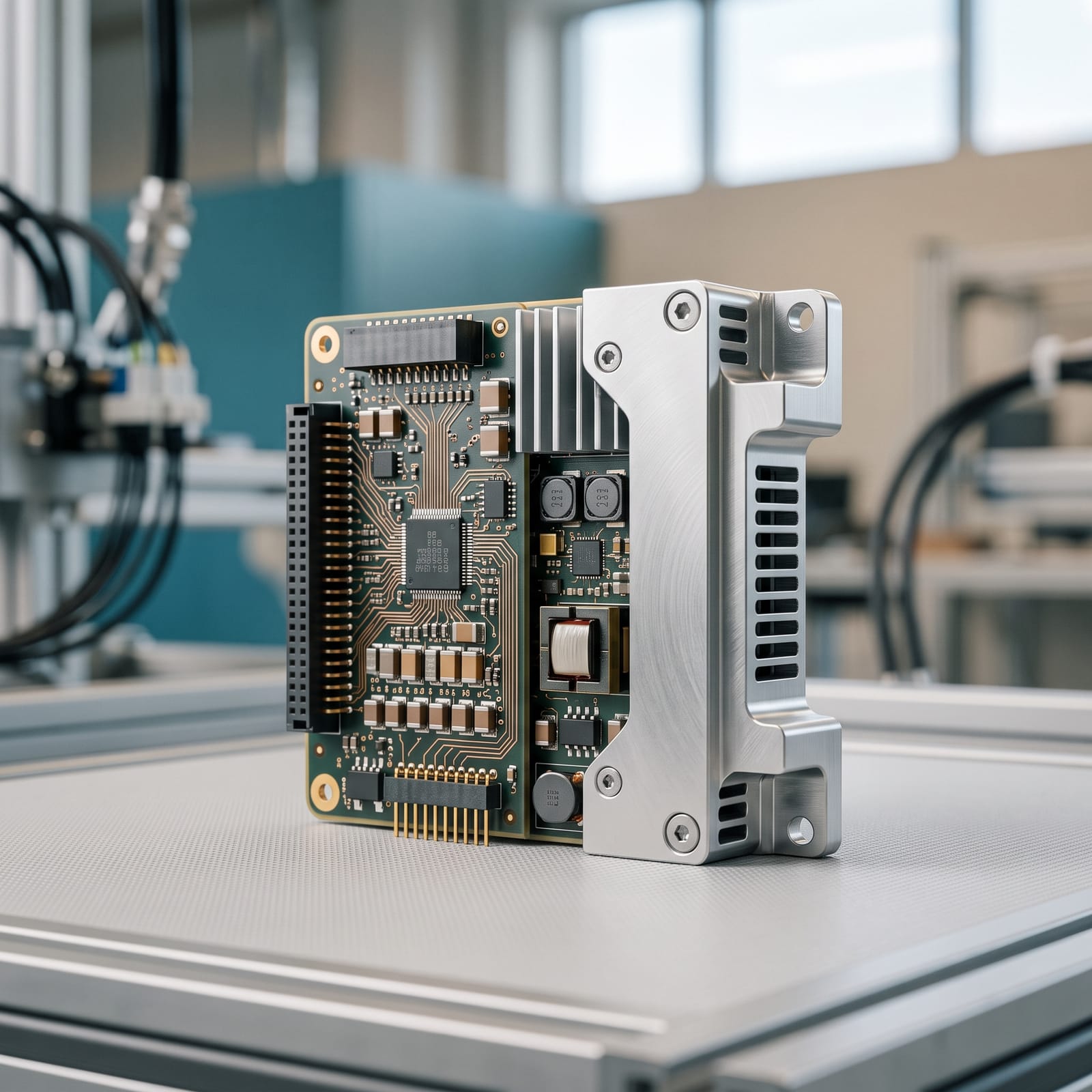
Lightweight aluminum castings deployed in EV powertrains, robotics, aerospace, and high power LED electronics.
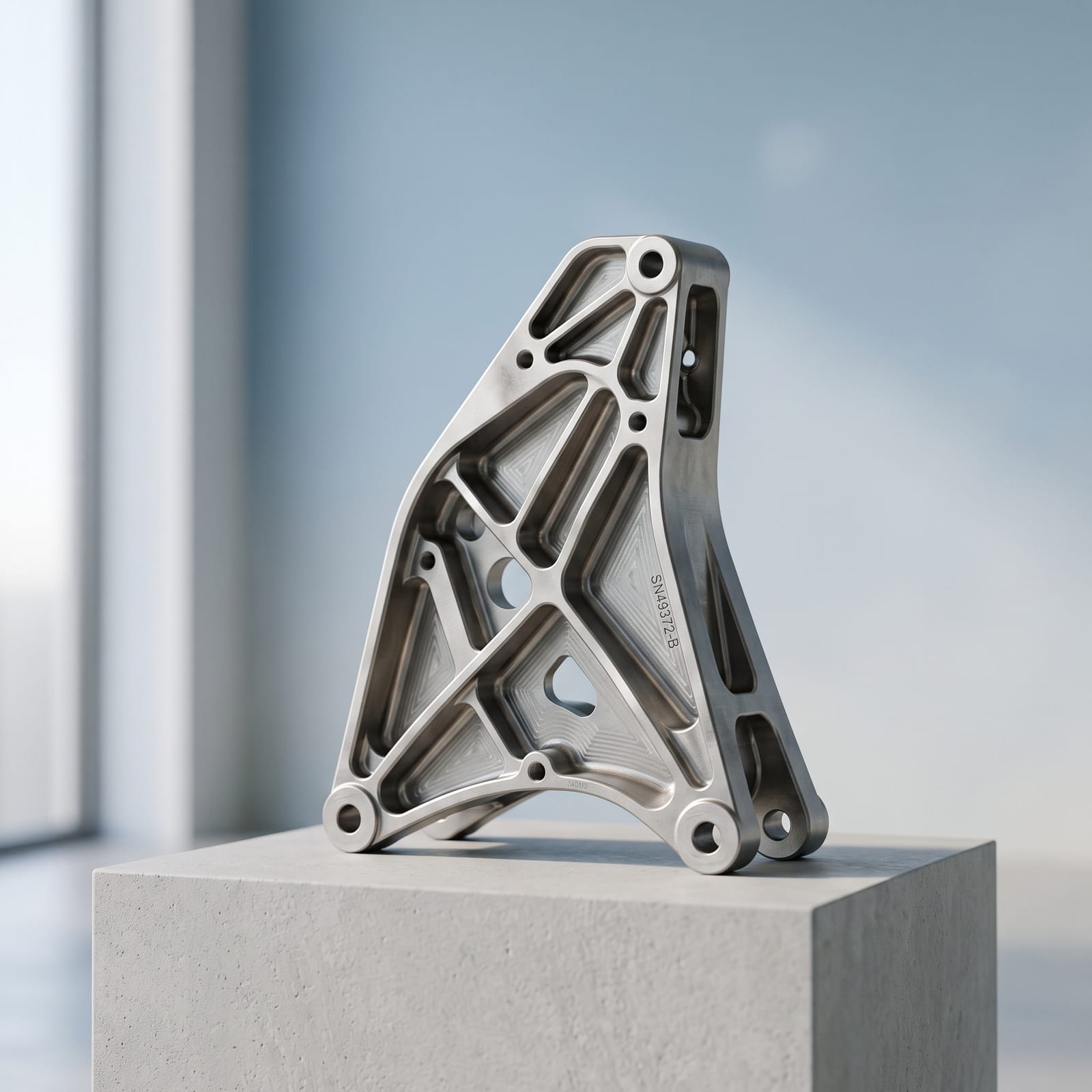
EV Motor and Battery Enclosures
Aerospace Structural Brackets
Robotics and Automation Arms

High Power LED and Power Heat Sinks
Equipment Integration and Systems
Precision cast aluminum casting components provide essential weight savings, strength, and thermal dissipation for automated hardware.
Popular Products
Aluminum EV Motor Housing Casting
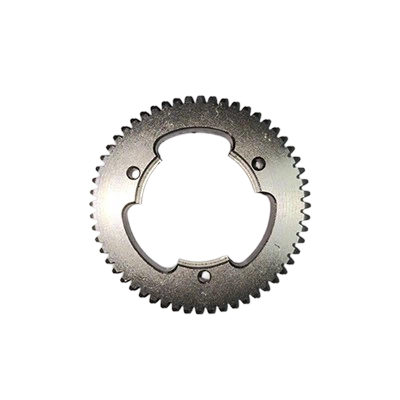
A356 T6 Structural Robotic Linkage
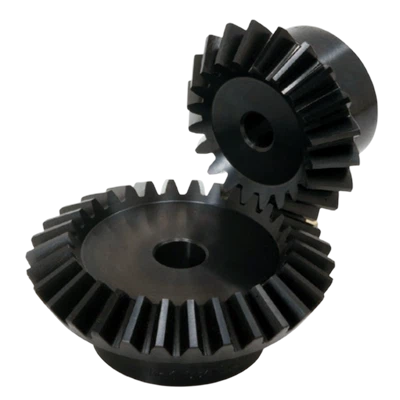
Aluminum Die Cast Heat Sink Enclosure
Frequently Asked
Questions?