
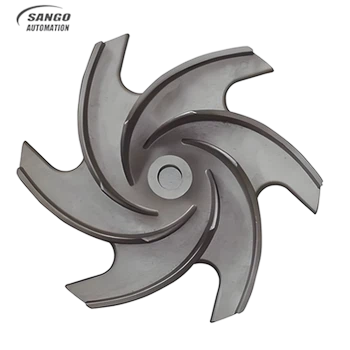
Brass Casting
Precision investment and gravity die brass castings engineered for corrosion resistant fluid valves, marine hardware, architectural fittings, and wear bushings.
Choosing the Right Brass Casting Process for Your Part
Precision investment and gravity die brass castings engineered for corrosion resistant fluid valves, marine hardware, architectural fittings, and wear bushings.
Why Specify Cast Brass for Fluid and Marine Hardware
Exceptional Corrosion Resistance
Brass castings resist dezincification, atmospheric weathering, and saltwater erosion, ensuring long term durability in marine and fluid handling applications.
Superior Low Friction Wear
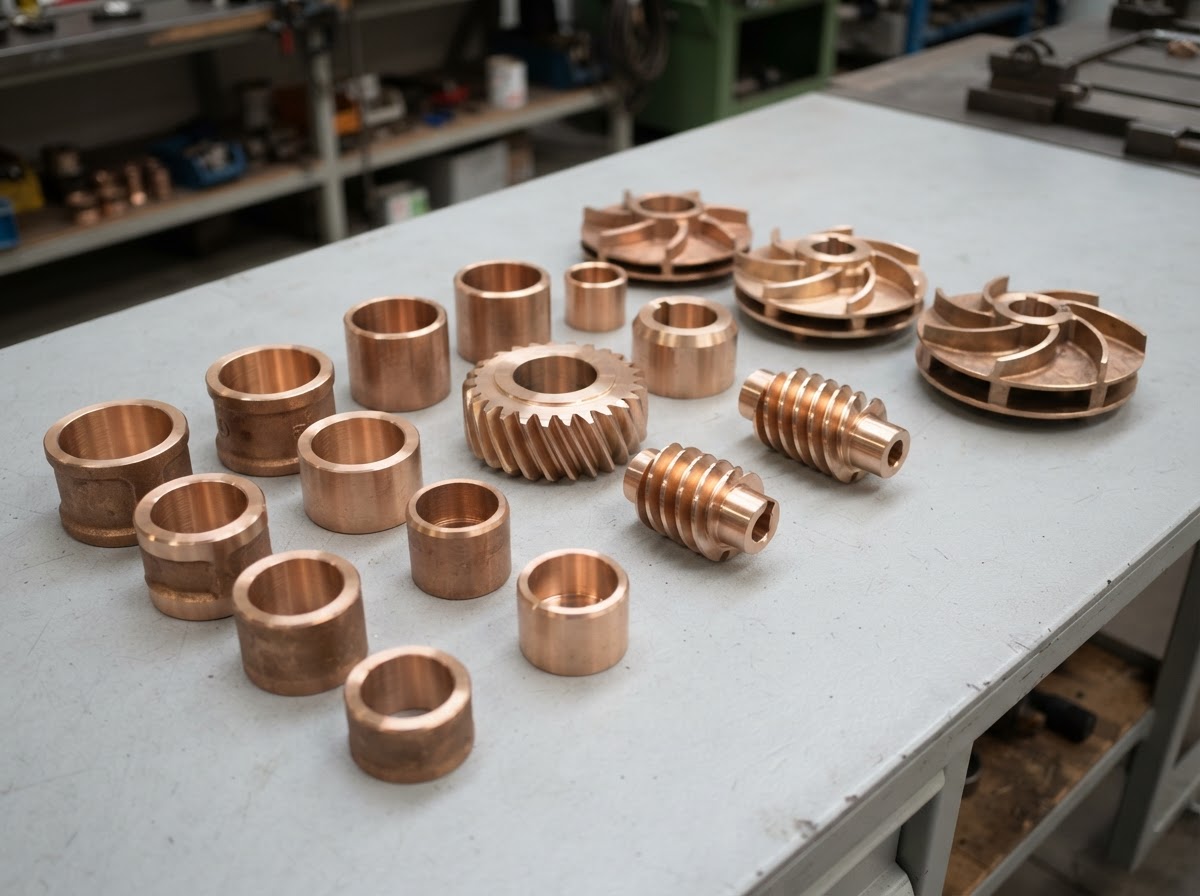
Low coefficient of friction makes cast brass and bronze ideal for high speed sleeve bearings, worm gears, and heavy wear plates.
Hydrostatic Pressure Tight Density
Fine internal grain structures deliver 100% leak proof reliability for high pressure gas, water, and hydrostatic valve bodies.
Premium Surface and Aesthetic Finish
Produces smooth raw casting surfaces (Ra 3.2µm) ready for hand polishing, satin brushing, or chrome electroplating.
Classification
Materials
Yellow and Red Brass Alloys (C85400/C83600)
Standard plumbing and hardware alloys provide excellent castability, high machinability, and strong resistance to freshwater corrosion.
High Tensile Manganese Bronze (C86300/C86500)
Formulated for extreme load capacity, delivering high tensile strength (up to 750 MPa) for heavy marine gears, bushings, and valves.
Lead Free Drinking Water Alloys (C89833/C89836)
Bismuth based lead free brass alloys per ASTM B584 and AWWA C800, formulated for potable water pumps, meters, and residential fittings. NSF/ANSI 61 and 372 certification available on request.
Forming Method
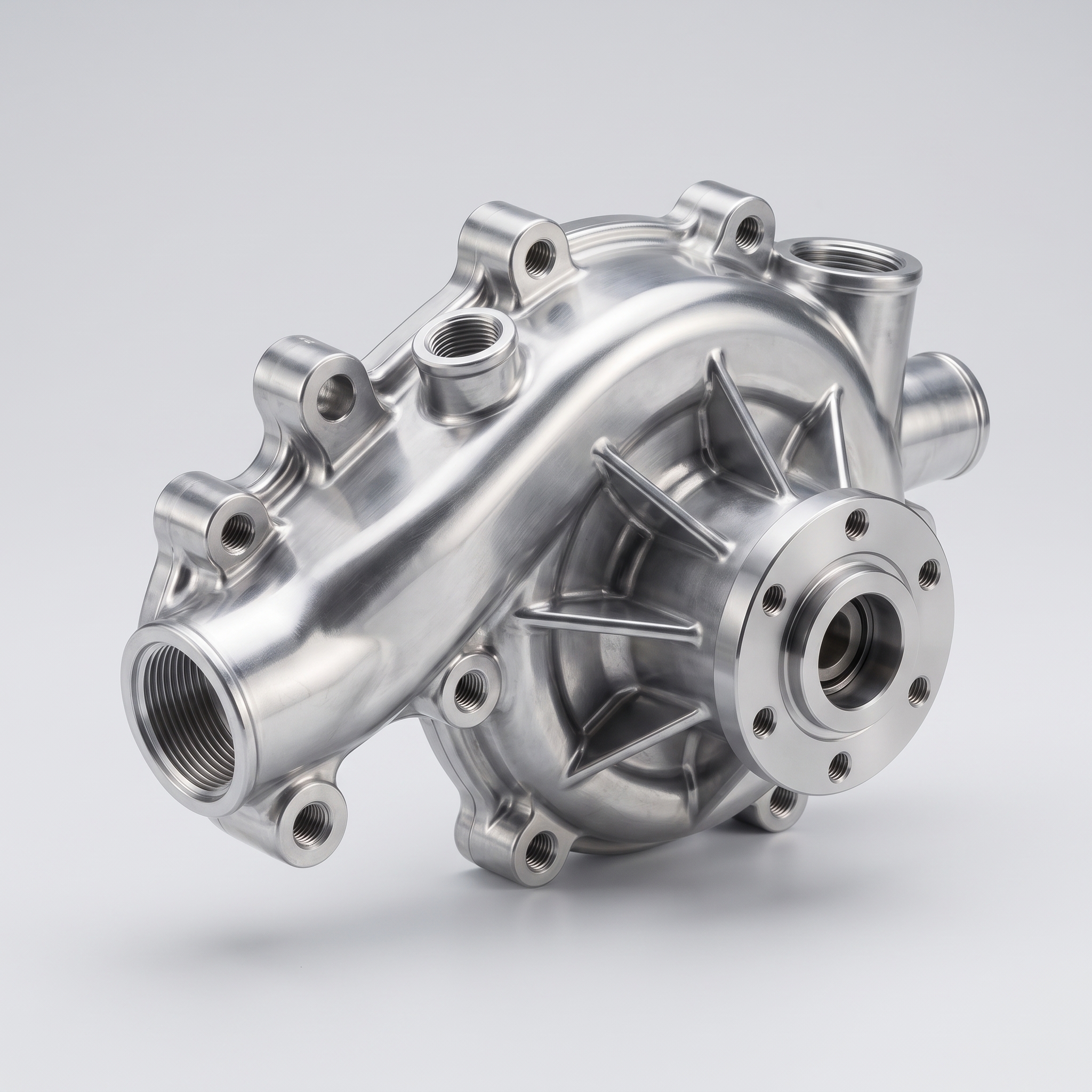
Investment Casting (Lost Wax)
Yields net shape brass components with intricate internal features, details, and fine surface roughness (Ra 3.2µm).
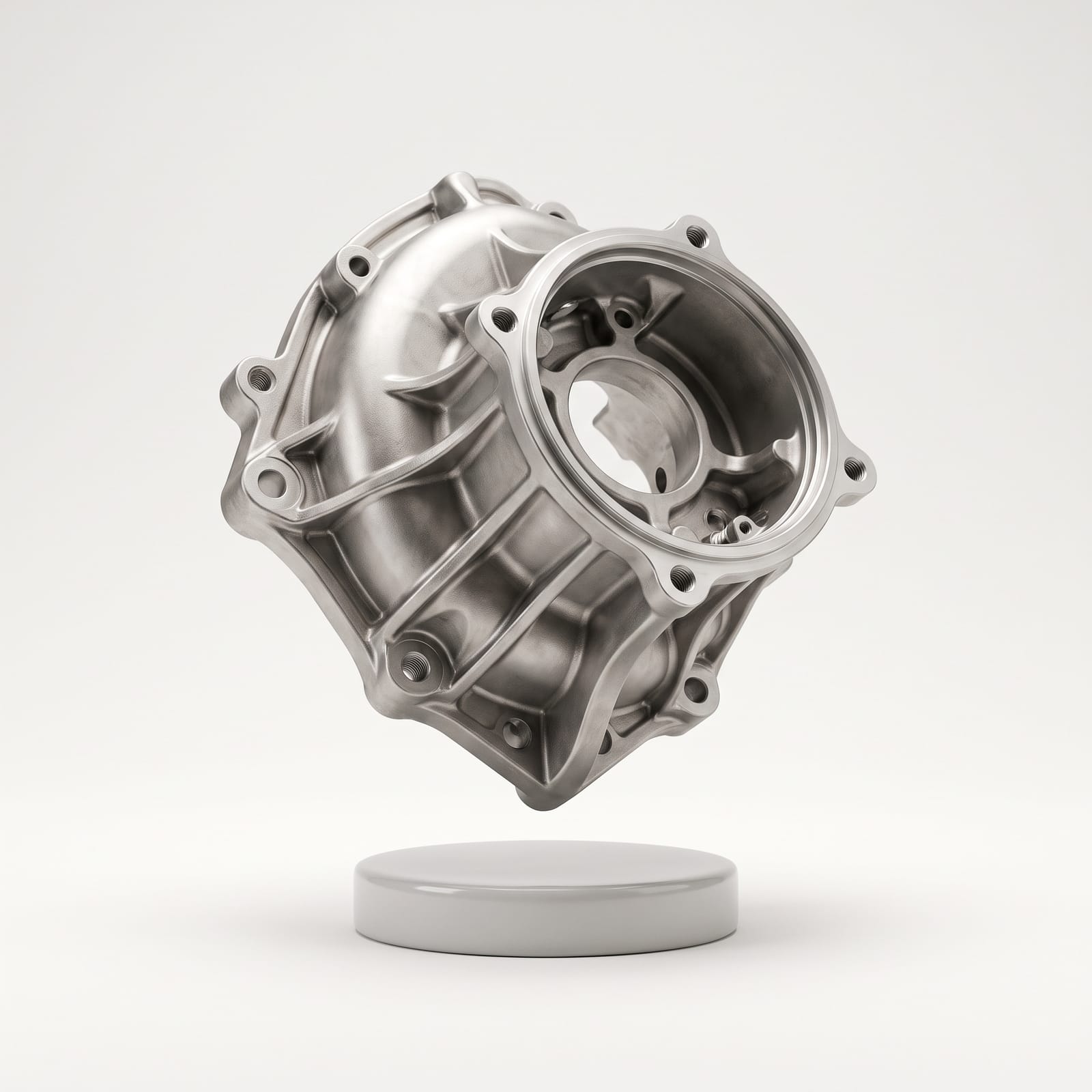
Gravity Die Casting (Permanent Mold)
High repeatability reusable mold process delivering rapid cycle times and high grain density for large valve bodies.
Centrifugal Casting
Used to manufacture seamless, high density brass sleeve bushings, ring blanks, and heavy cylindrical stock.
Shell Mold Casting
Provides good dimensional control (ISO CT6 to CT11) for medium to high volume industrial pipe fittings and pump impellers.
Brass Casting Process Parameters
Metallurgical parameters and pressure tolerances controlled to deliver leak tight brass castings.
Brass Casting Production Workflow
Four controlled stages ensuring chemical purity, pressure tightness, and flawless surface finish.
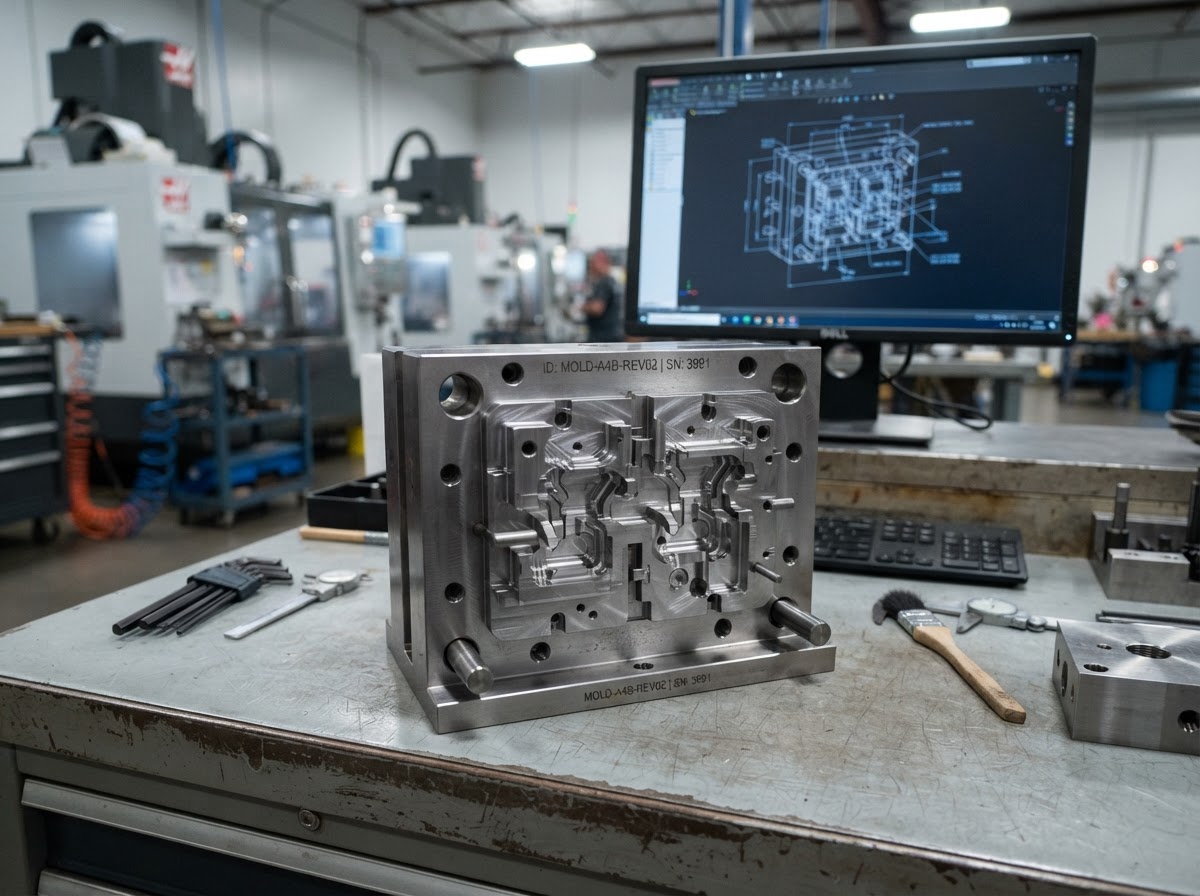
Alloy Selection and NSF Verification
Certified brass ingots are verified via Optical Emission Spectrometry to guarantee exact copper zinc ratios and lead free compliance.
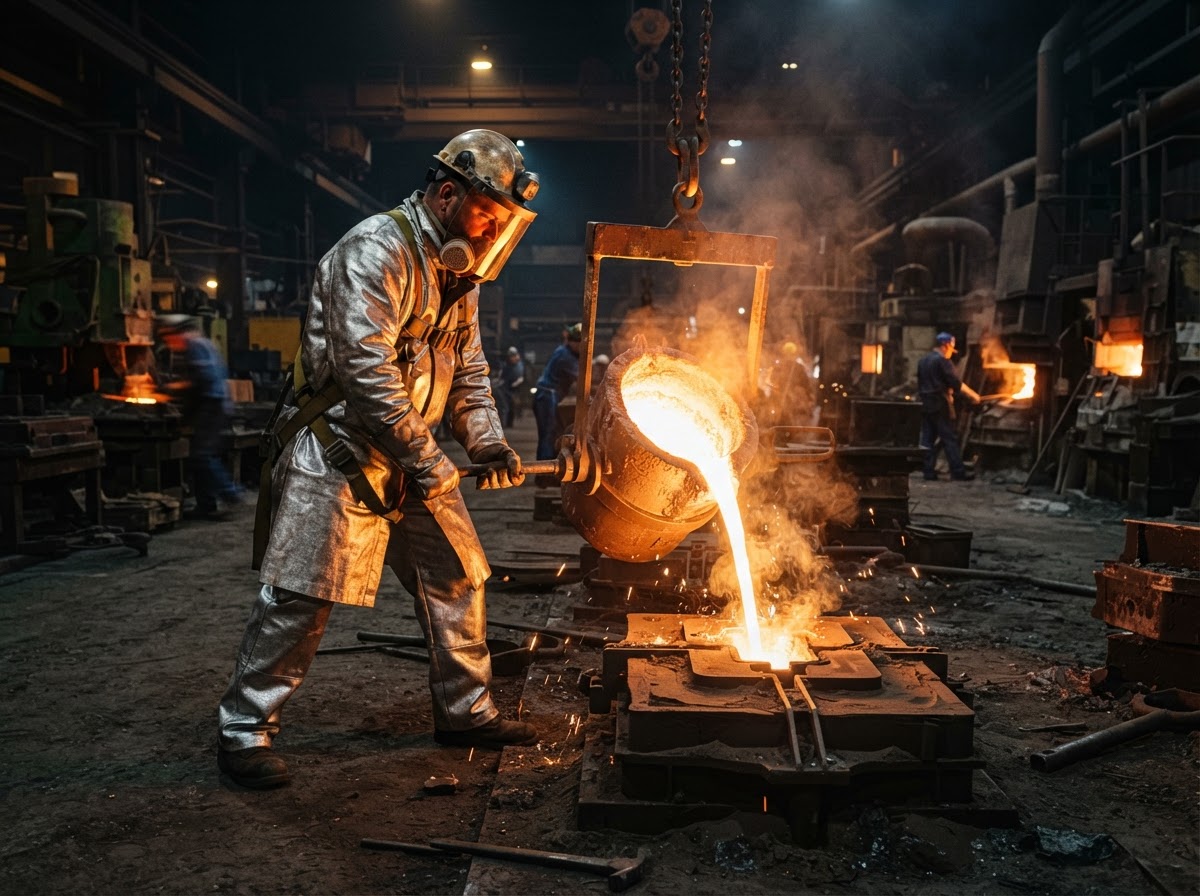
Wax Tree Injection and Shell Prep
High precision wax patterns are assembled into trees and dipped in silica sol slurry to build rigid ceramic molds.
Induction Melting and Degassed Pouring
Brass is melted in medium frequency induction furnaces with nitrogen degassing, then poured at controlled temperatures.
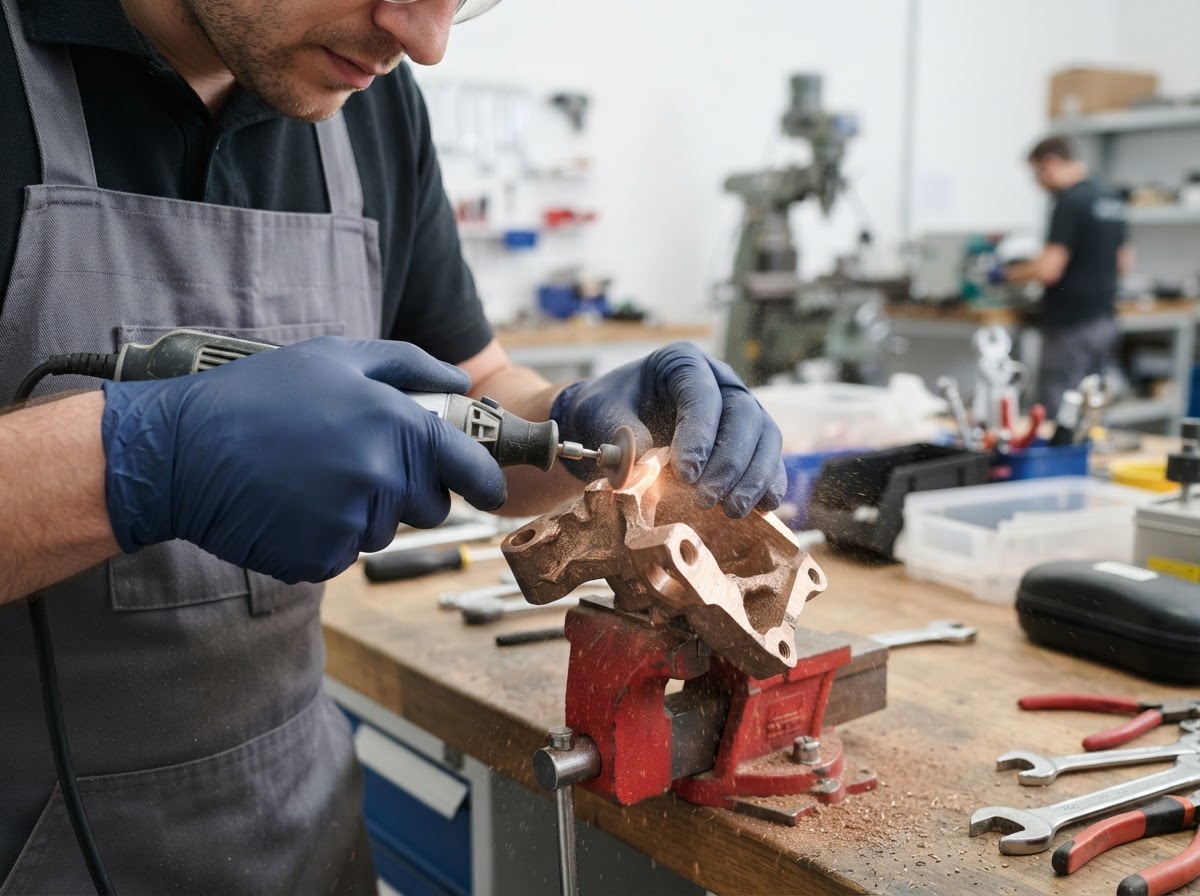
Hydrostatic Testing and CNC Finishing
Castings undergo vibratory cleaning, 300 PSI hydrostatic pressure testing, 5 axis CNC machining, and electroplating.
Industrial Applications
Corrosion resistant brass and bronze castings deployed in fluid handling, marine, and high wear mechanical systems.
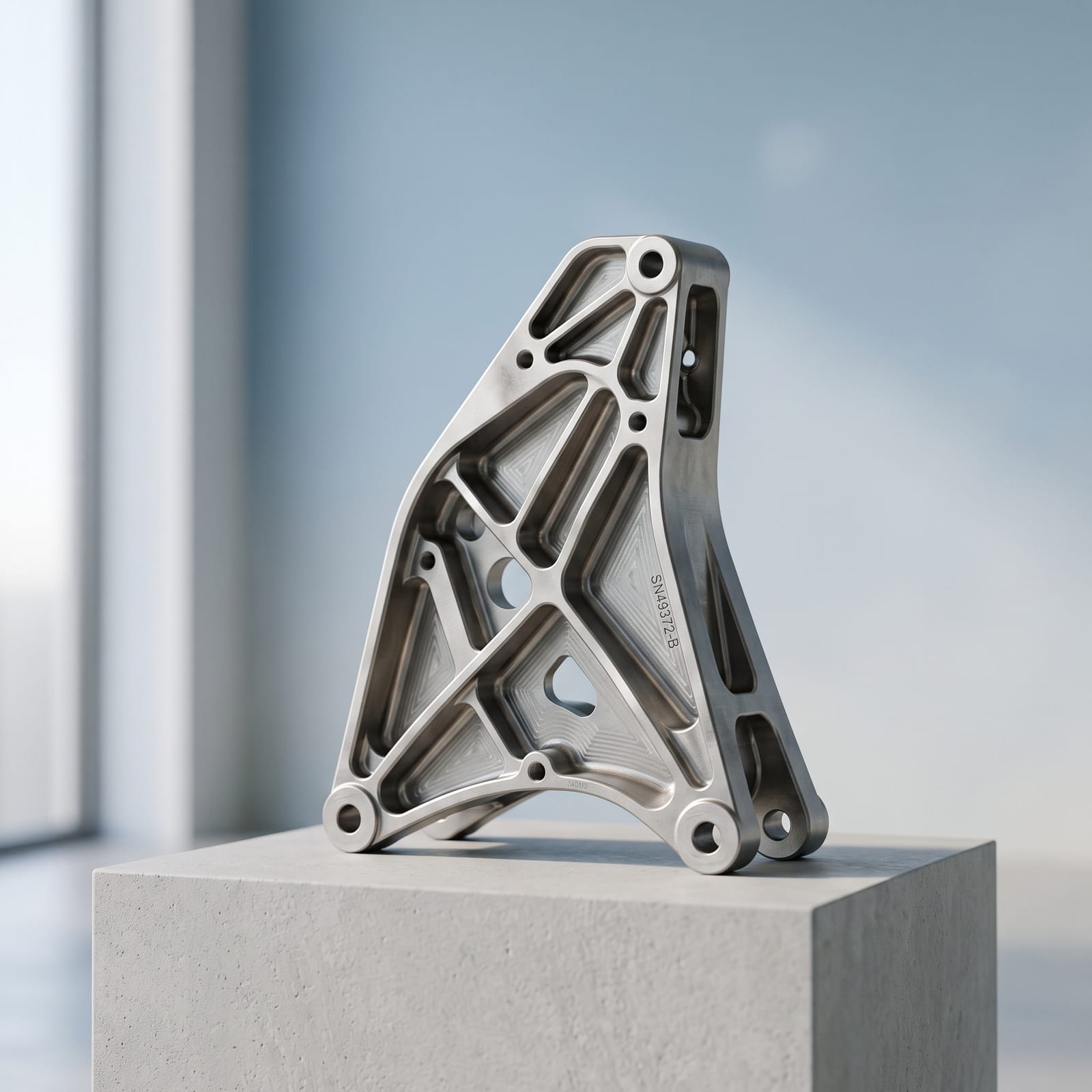
Plumbing and Water Valves

Marine Fittings and Hardware
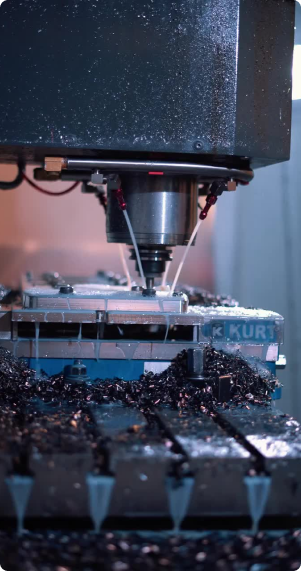
Architectural Decorative Hardware

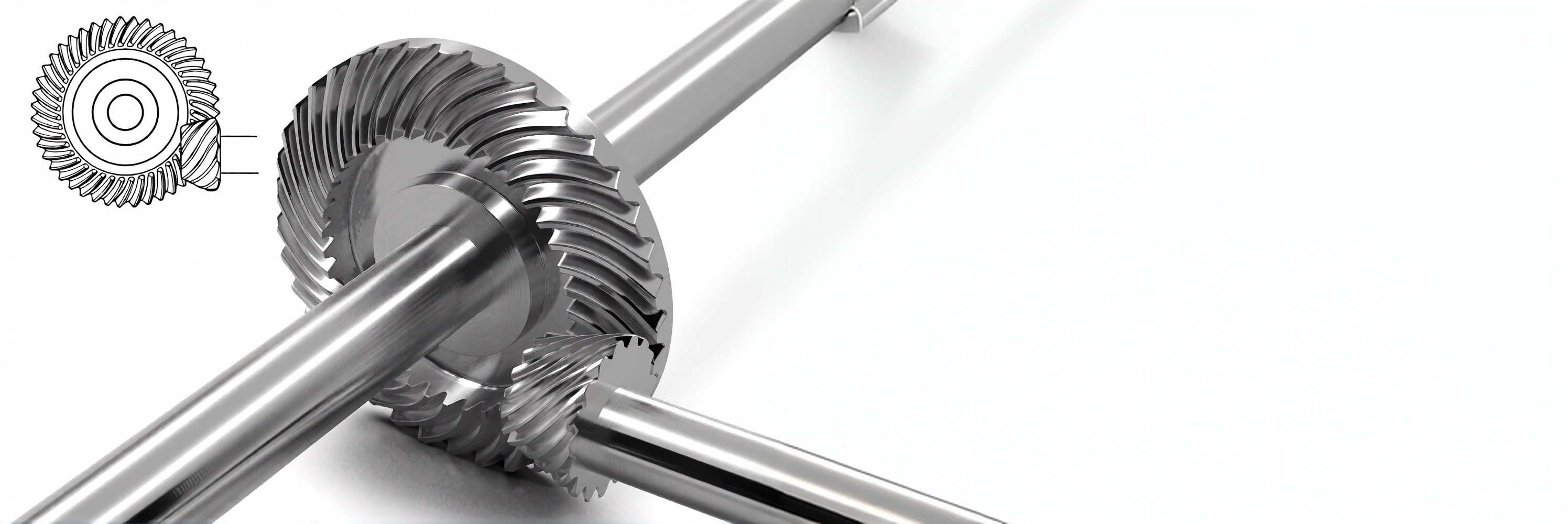
Heavy Wear Bushings and Worm Gears
Equipment Integration and Systems
Precision cast brass casting components provide essential weight savings, strength, and thermal dissipation for automated hardware.
Popular Products
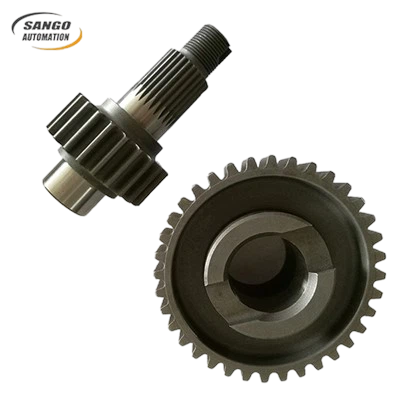
Cast Brass Water Valve Body
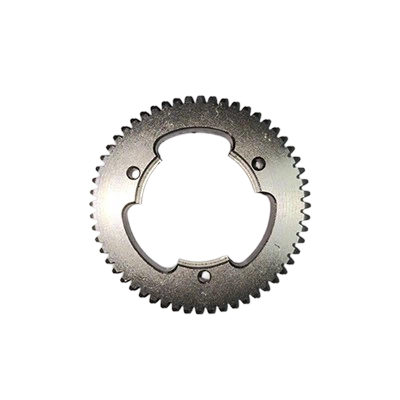
Marine Grade Bronze Fitting
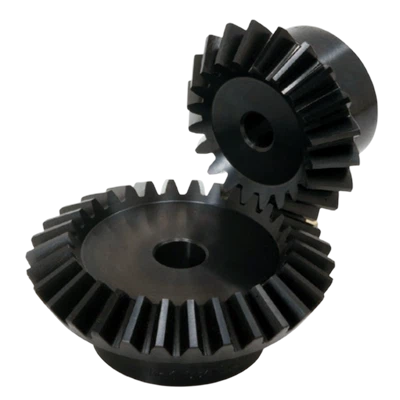
High Wear Brass Sleeve Bushing
Frequently Asked
Questions?