
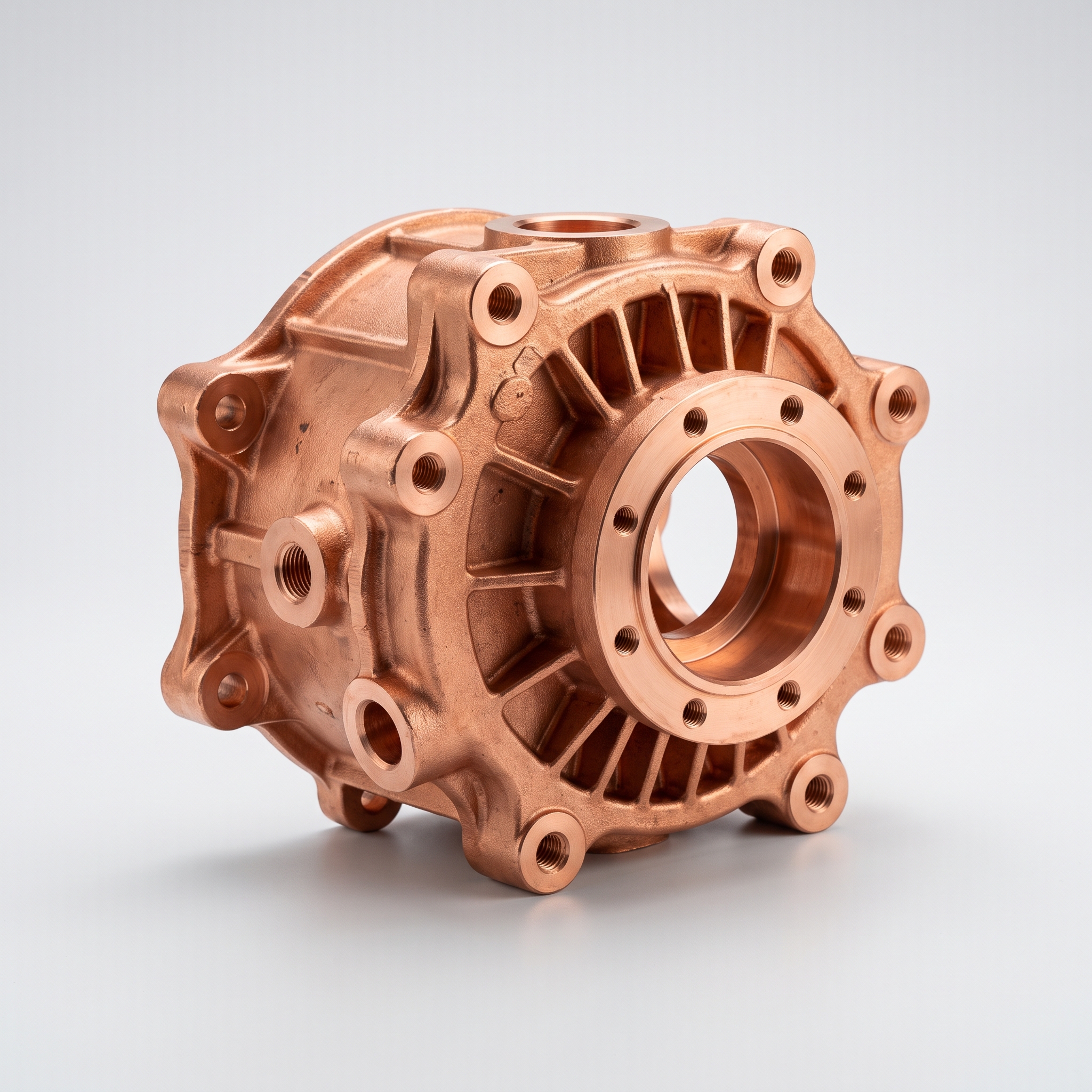
Copper Casting
High purity copper and refined copper alloy castings engineered for maximum electrical conductivity, high thermal dissipation, and non magnetic performance.
Choosing the Right Copper Casting Process for Your Part
High purity copper and refined copper alloy castings engineered for maximum electrical conductivity, high thermal dissipation, and non magnetic performance.
Why Cast Copper Instead of Machining From Bar Stock
High Electrical and Thermal Conductivity
Copper casting delivers up to 98% IACS conductivity in high purity C11000 grades, making it the standard choice for electrical contacts, busbars, and high flux thermal heat sinks.
High Hardness and Wear Resistance
Refined copper alloys, including beryllium copper, offer excellent strength and hardness while retaining enough conductivity for demanding industrial machinery applications.
Superior Corrosion Resistance
Copper resists fouling, oxidation, and chemical erosion in freshwater, marine, and industrial process environments without a protective coating.
Precision Machinability and Plating
Cast copper is post machined to tight tolerances (±0.02mm) and readily electroplated with silver, tin, or gold for optimal surface conductivity, though copper's lower machinability rating compared to leaded brass means we control cutting speed and tooling carefully rather than treating it as a free machining metal.
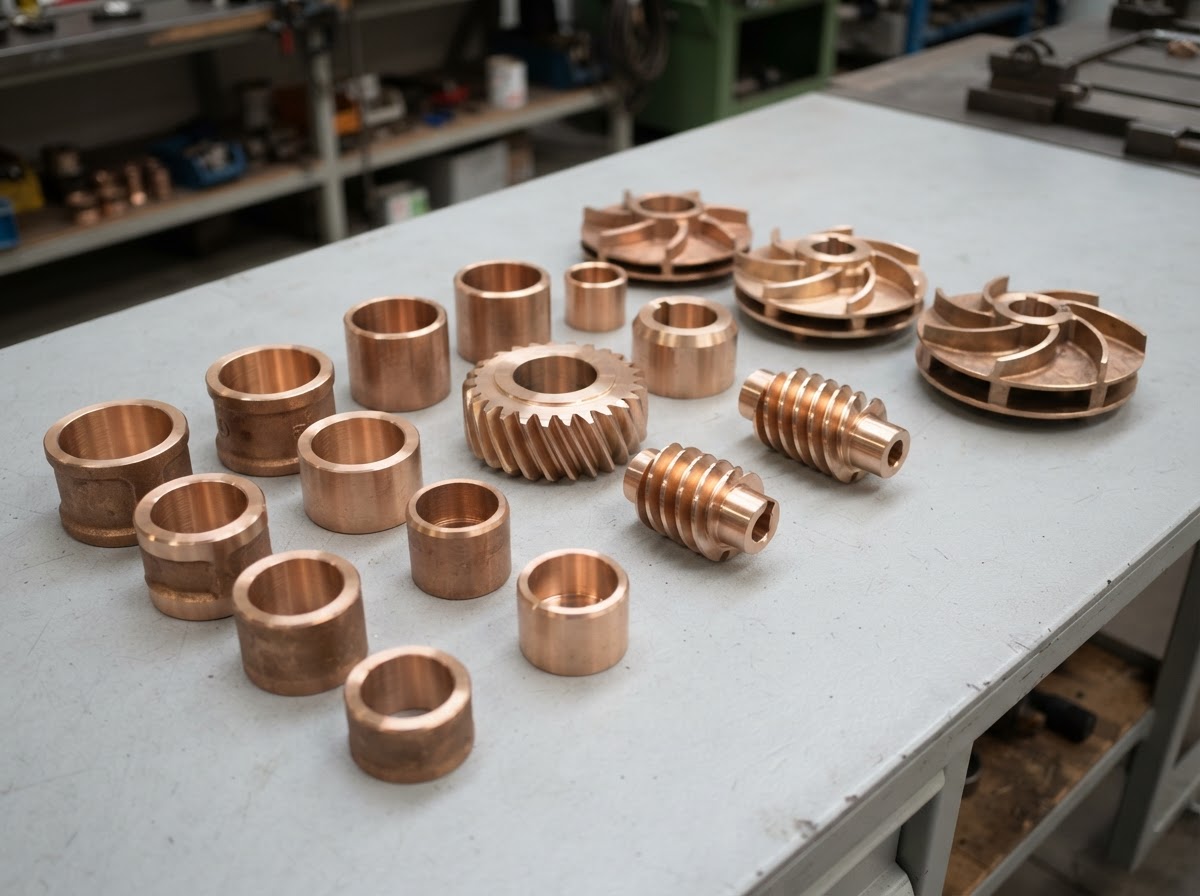
Classification
Materials
Pure Copper Castings (C11000/C12200)
Delivers maximum electrical and thermal conductivity (95 to 98% IACS), widely used in electrical switchgear, transformer terminals, and cooling plates.
Beryllium and Tellurium Copper Alloys
Formulated with trace elements to achieve high yield strength, spring resilience, high thermal conductivity, and spark safe operation in demanding mechanical environments.
High Density Copper Matrix Castings
Degassed, vacuum poured formulations providing defect free internal grain structures, critical for high voltage and aerospace applications.
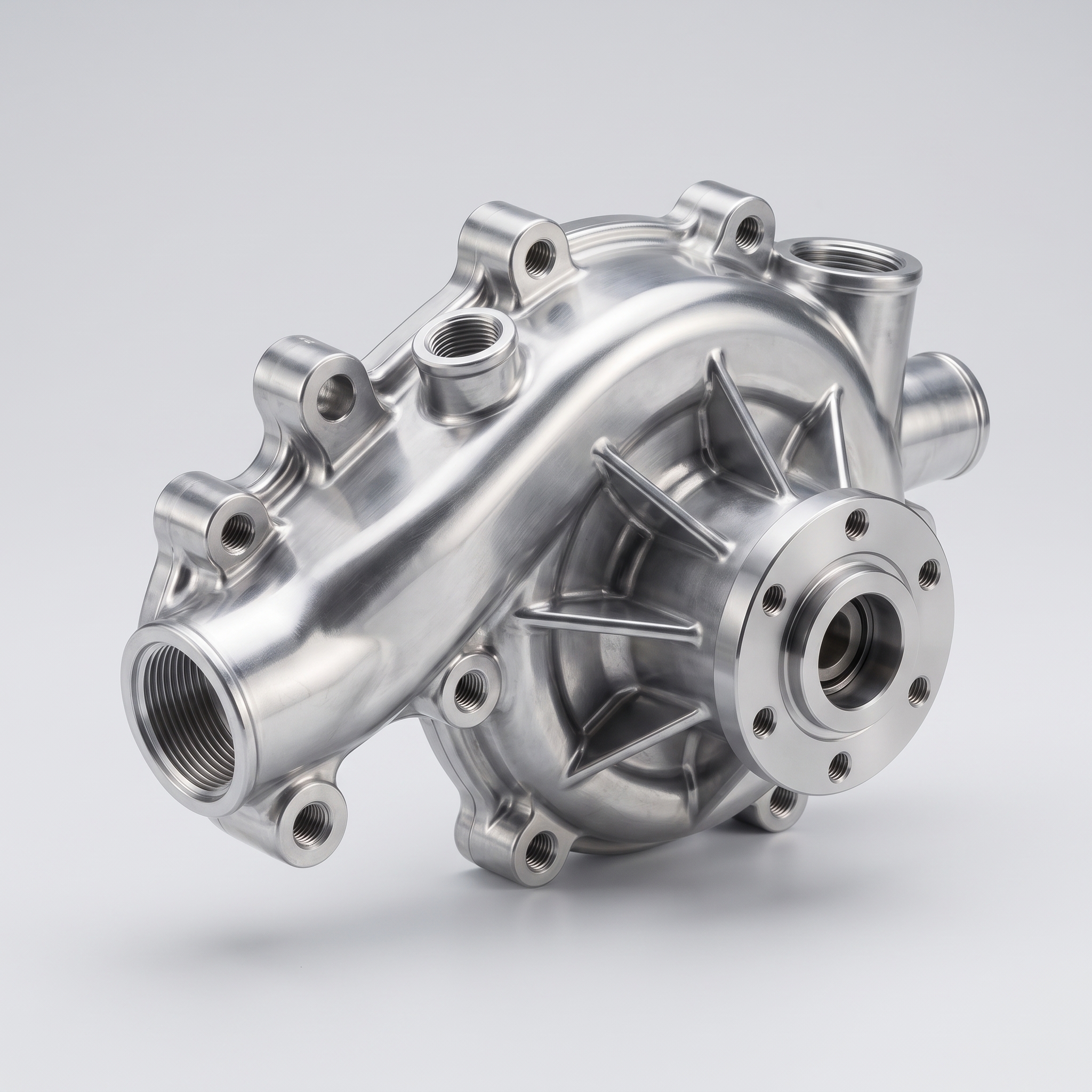
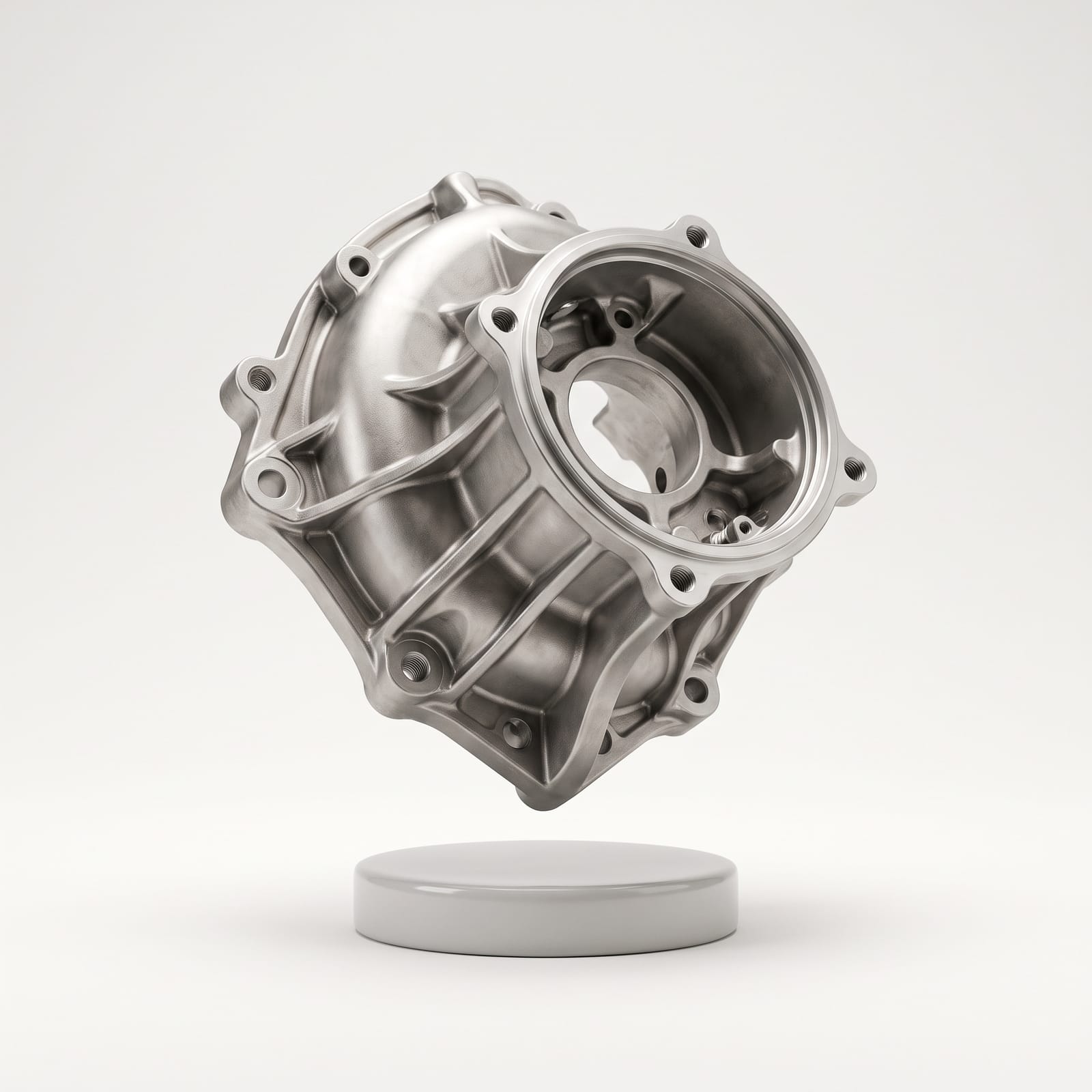
Forming Method
Investment Casting (Lost Wax)
Ideal for complex, net shape electrical terminals and intricate copper parts with a smooth surface finish (Ra 3.2µm).
Continuous Casting
Produces dense, uniform copper rods, busbar billets, and coil stock with consistent metallurgical purity.
Centrifugal Casting
Used for ring shaped or cylindrical copper bushings and wear rings, maximizing material density and eliminating porosity.
Vacuum Assisted Die Casting
Delivers high precision, low porosity non ferrous copper parts with high production efficiency and minimal wall thickness.
Copper Casting Process Parameters
Engineering specifications and metallurgical tolerances are agreed before pattern cut, assuring exact finished geometry and conductivity.
Copper Casting Production Workflow
Four controlled quality stages, from raw ingot verification to final plated delivery.
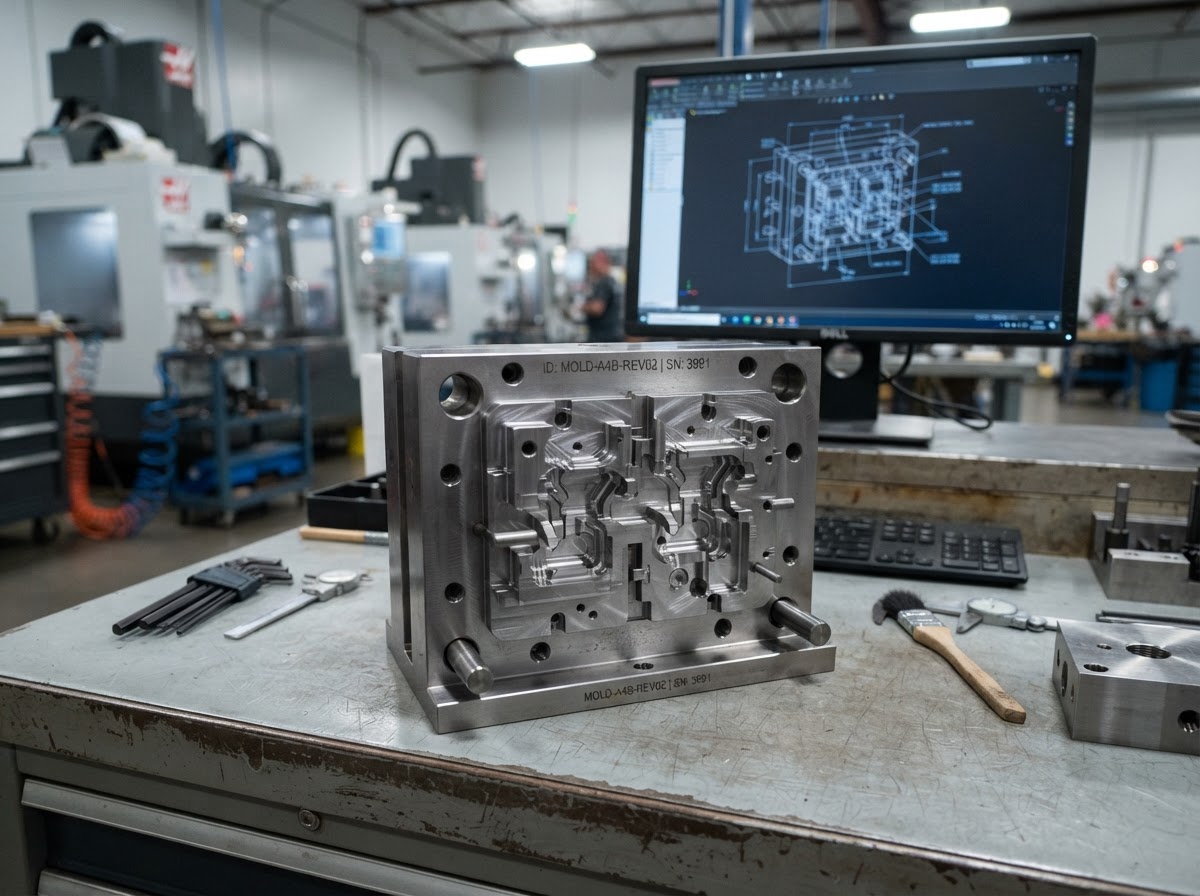
Alloy Selection and Ingot Preparation
We select certified high purity copper ingots (99.9% Cu) and master alloys. Spectrometric verification confirms exact elemental purity before melting.
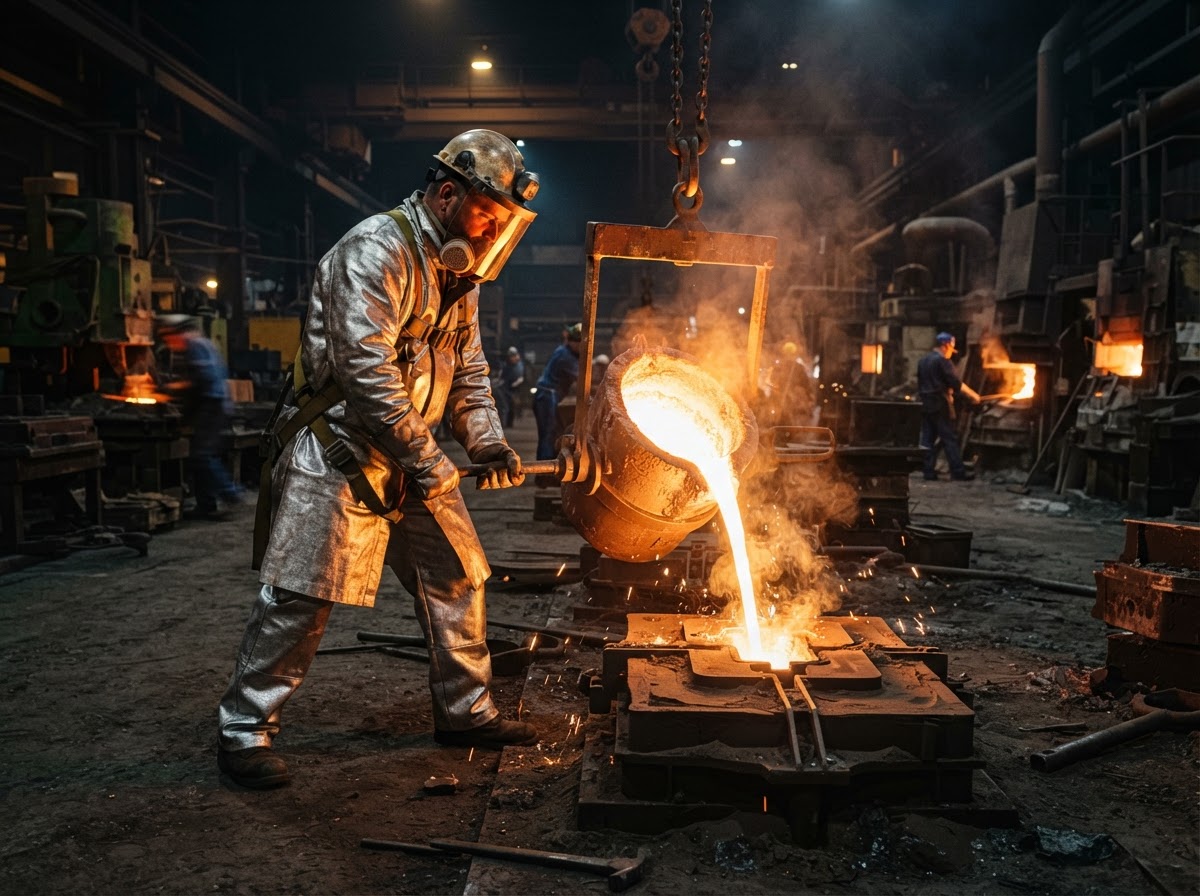
Tooling and Mold Design
Using CAD/CAM and thermal mold flow simulation, patterns and ceramic shells are engineered to prevent shrinkage cavities and hot tears.
Degassed Vacuum Melting and Pouring
Copper is melted in induction furnaces under inert gas shielding with vacuum degassing, preventing hydrogen porosity and oxidation during pour.
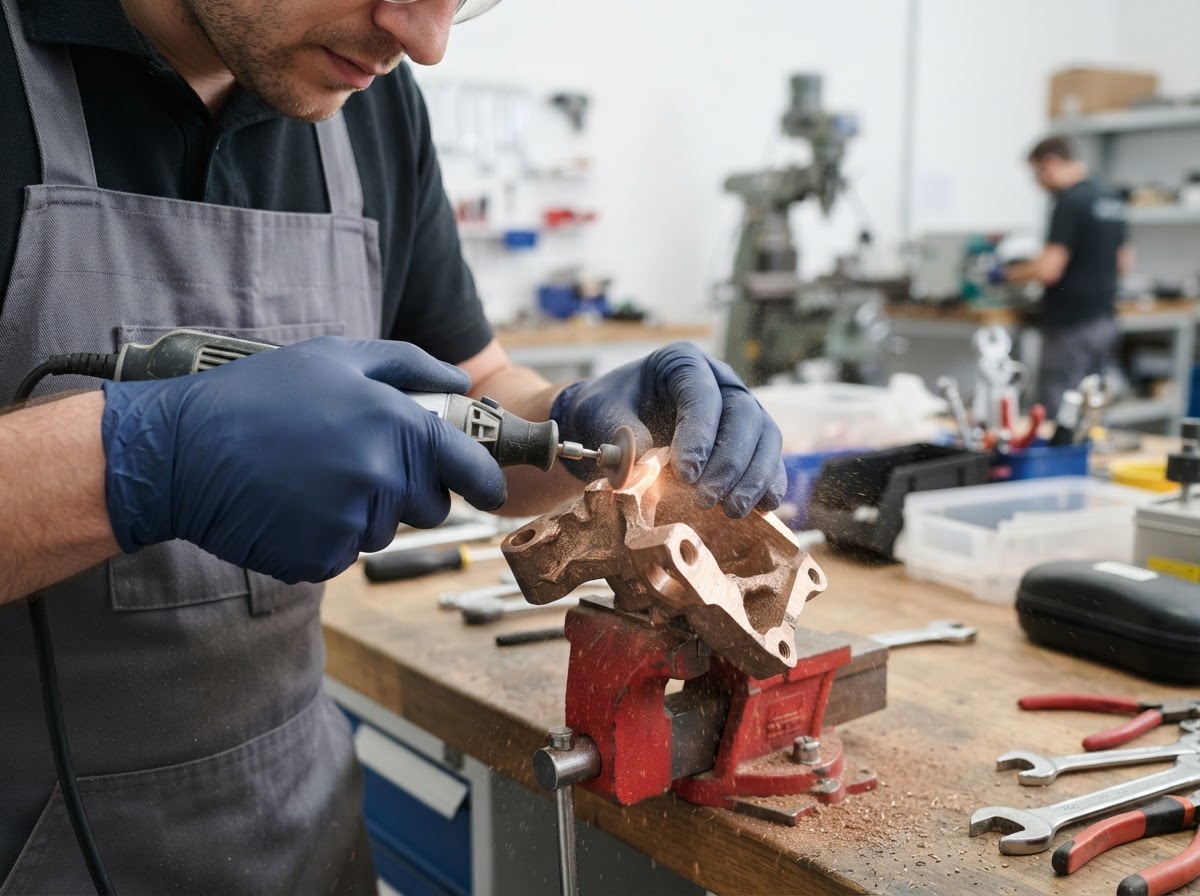
CNC Post Machining and Electroplating
Castings are grit blasted, precision CNC machined on key mounting faces, and electroplated with silver or tin to meet exact electrical specs.
Industrial Applications
High performance copper castings serving power electronics, thermal dissipation, and electrical substations.
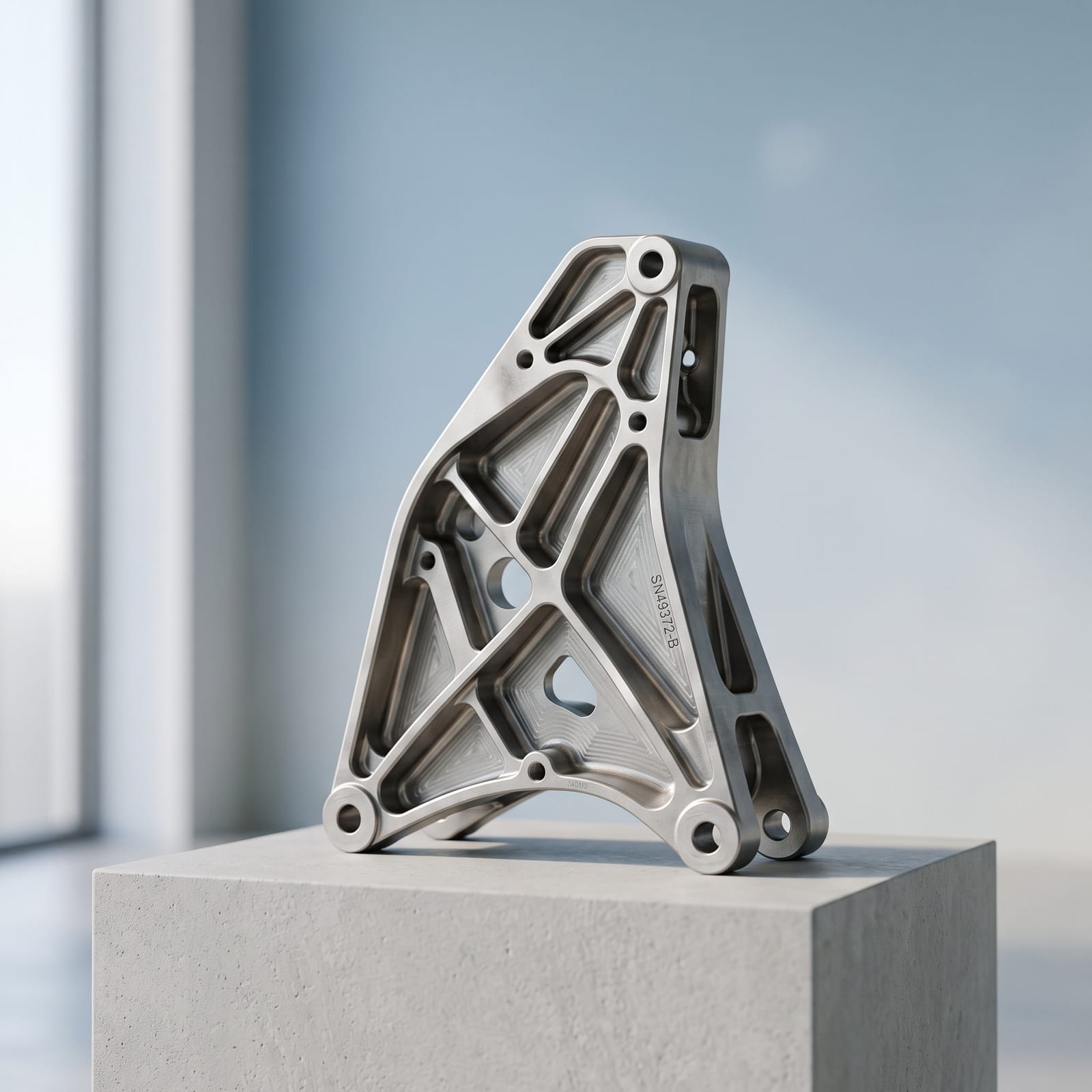
Electrical and Power Grids
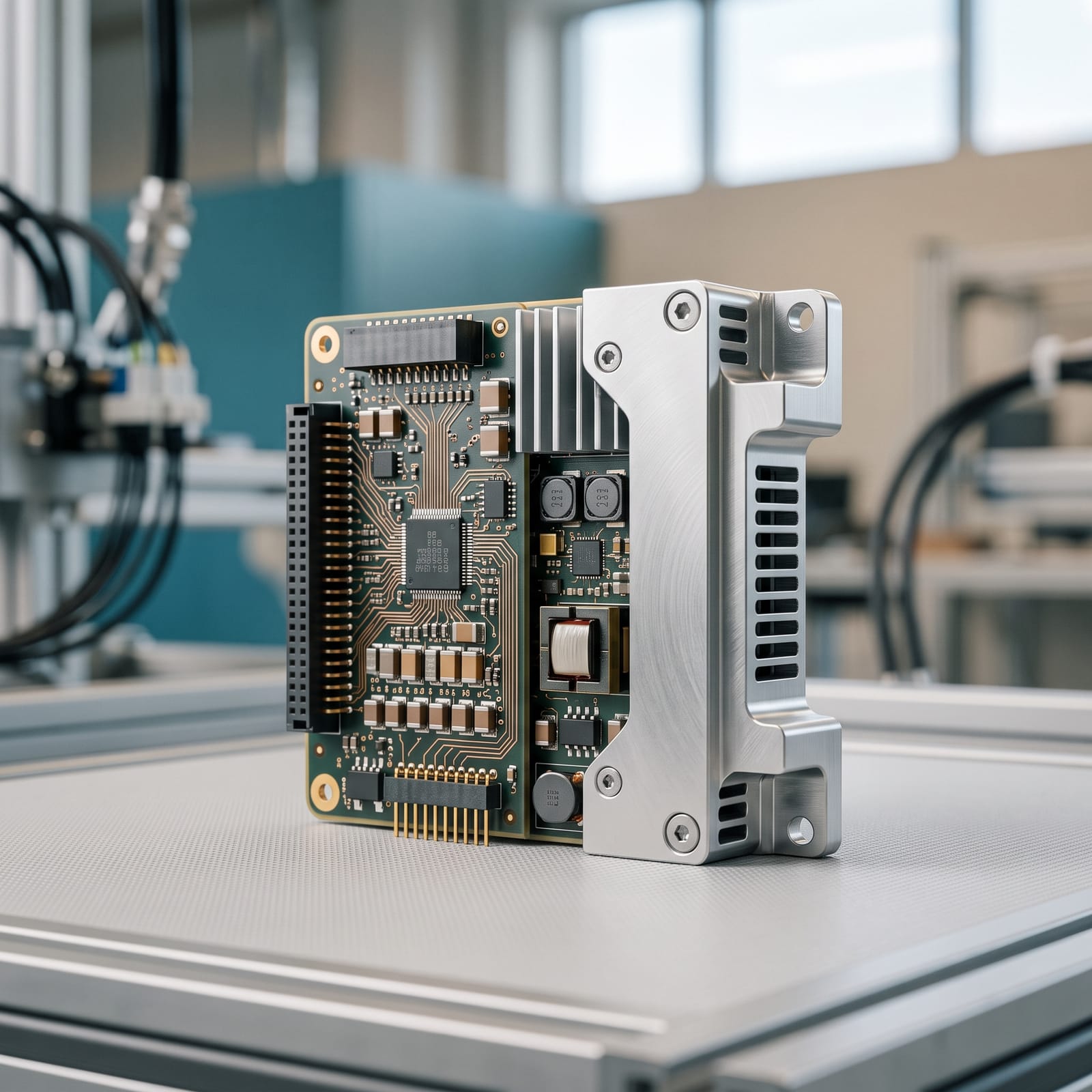
Thermal Management and Cooling
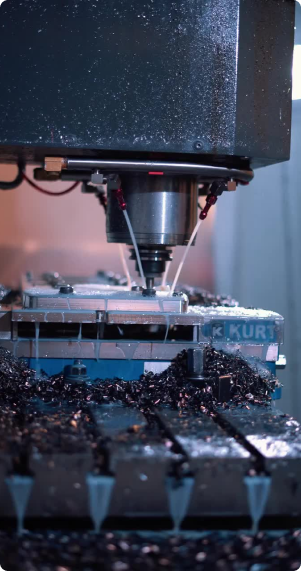
High Voltage Switchgear

Marine and Heavy Busbars
Equipment Integration and Systems
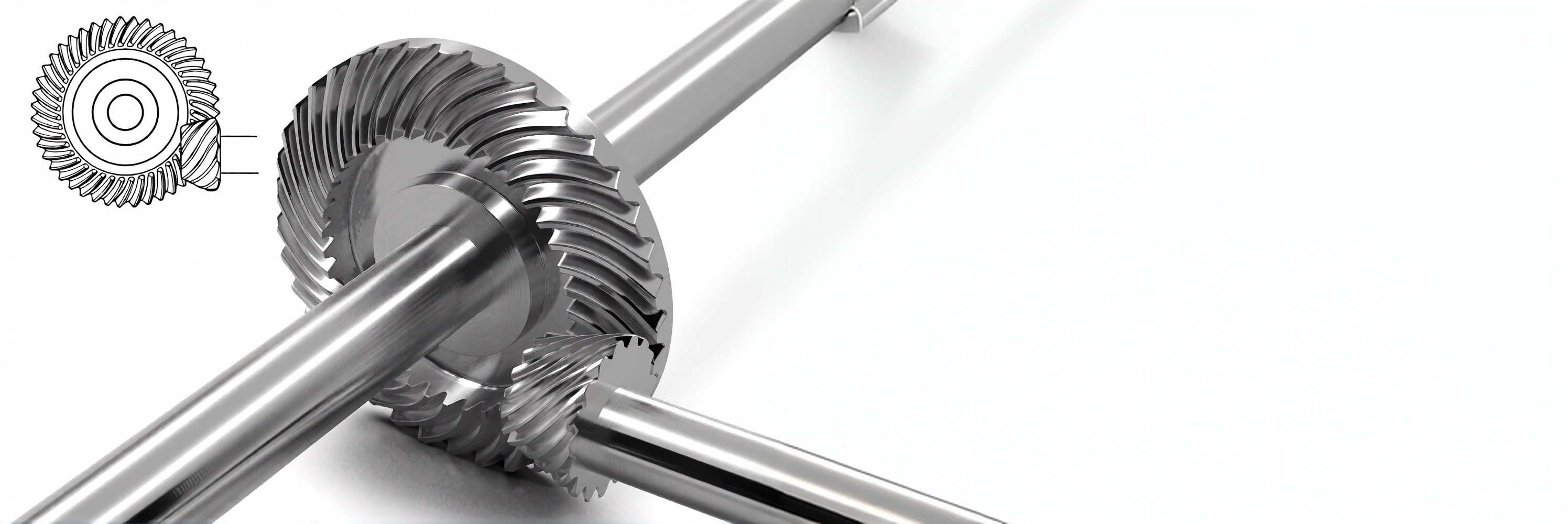
Precision cast copper casting components provide essential weight savings, strength, and thermal dissipation for automated hardware.
Popular Products
Copper Electrical Busbar Casting
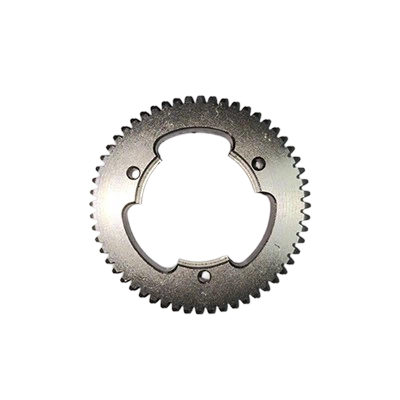
Heavy Duty Copper Contact Block
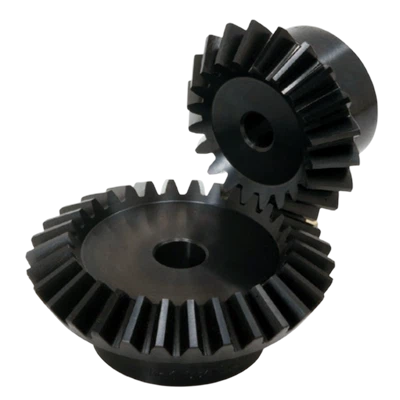
Copper Heat Sink Plate
Frequently Asked
Questions?