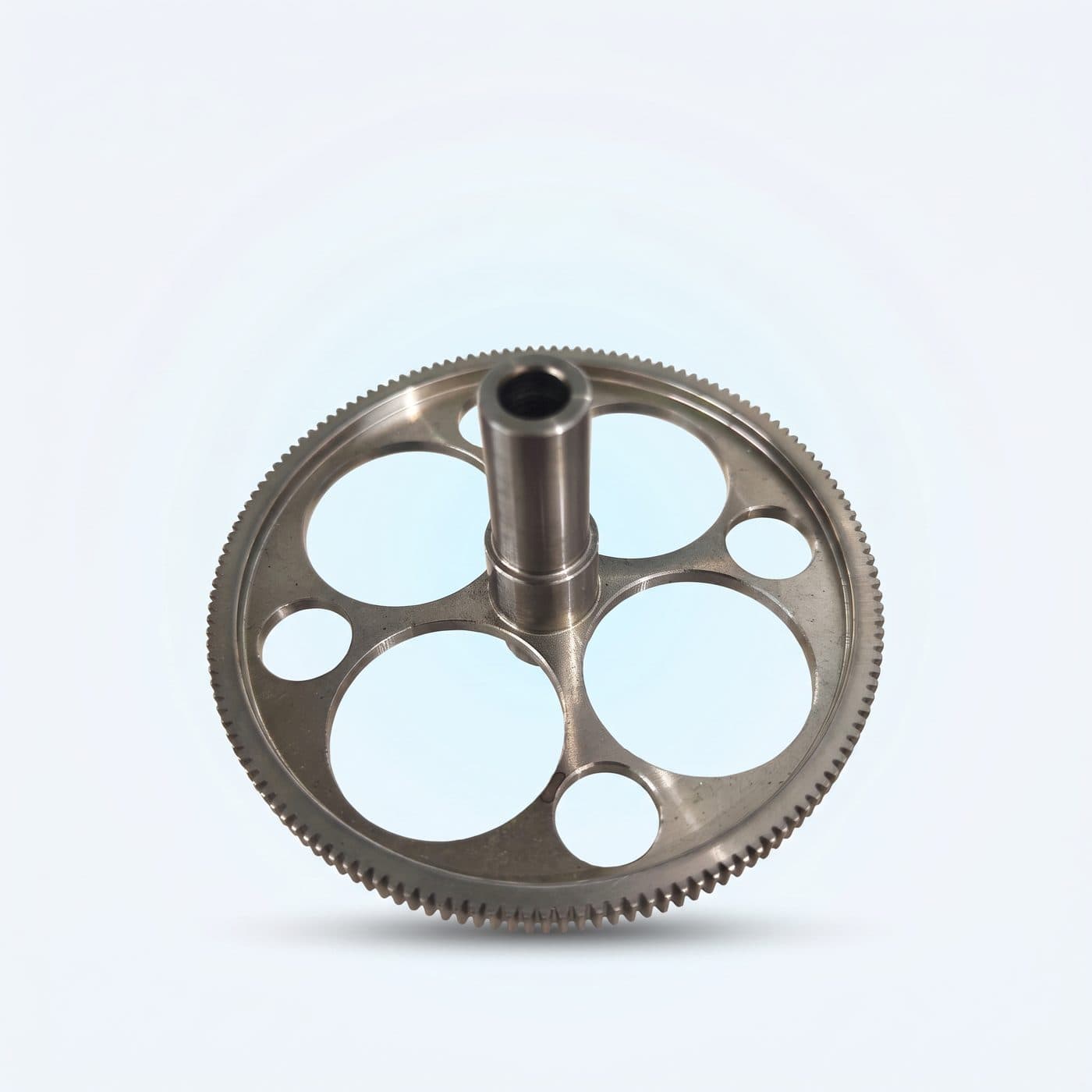
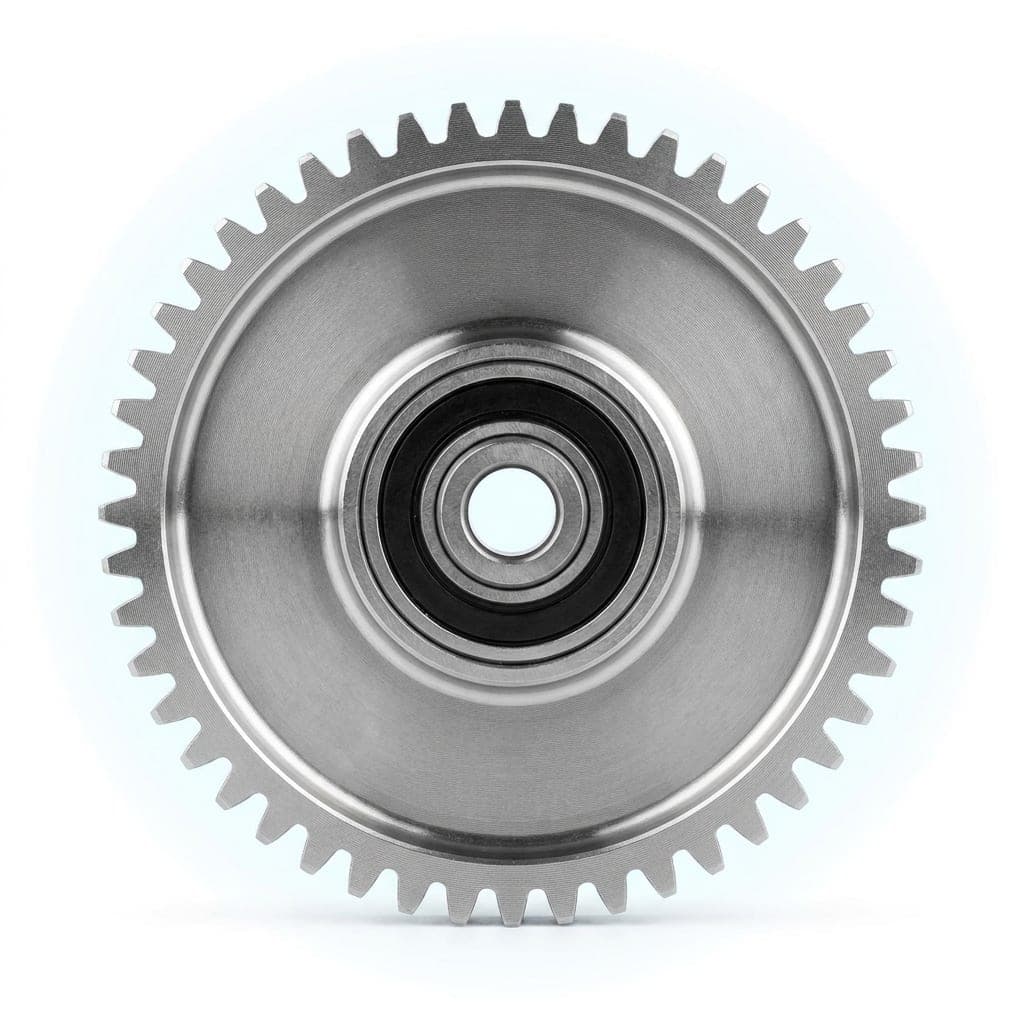
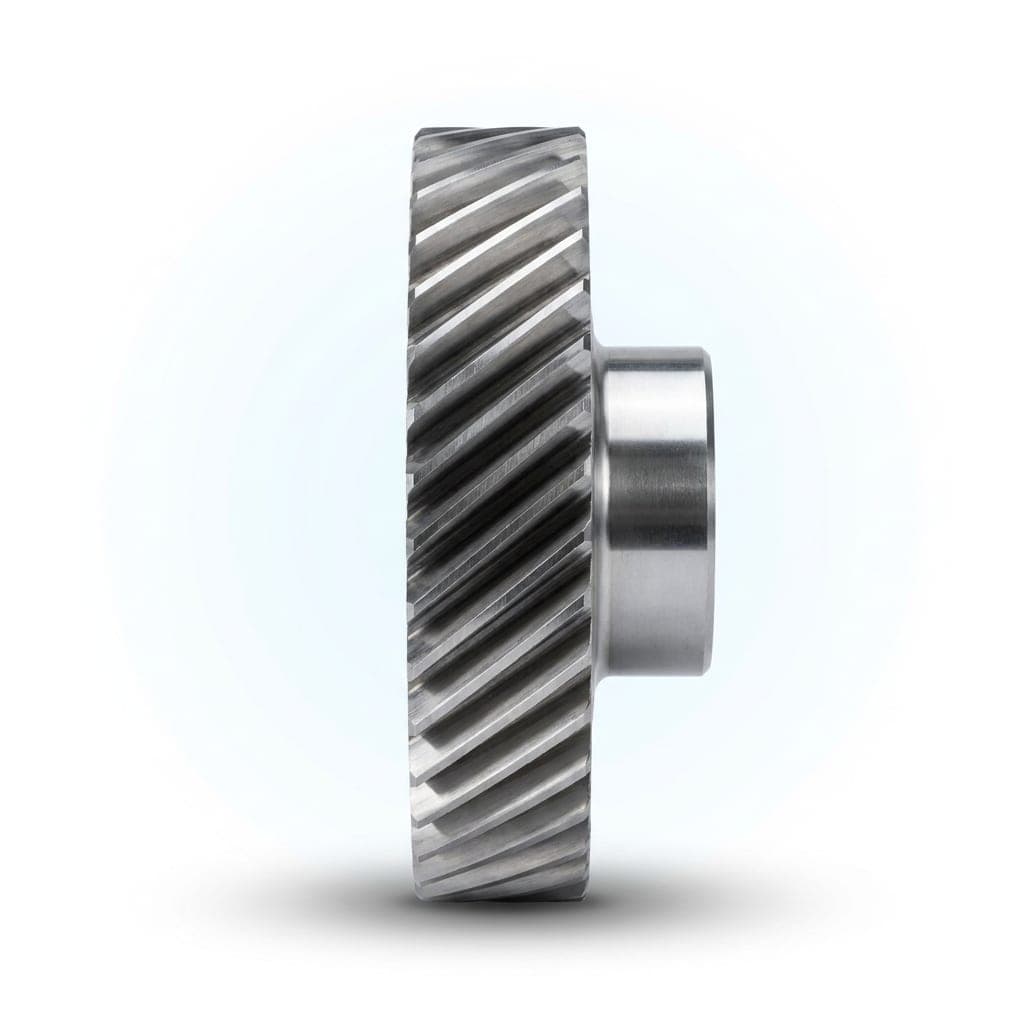
Aluminum Alloy Gear
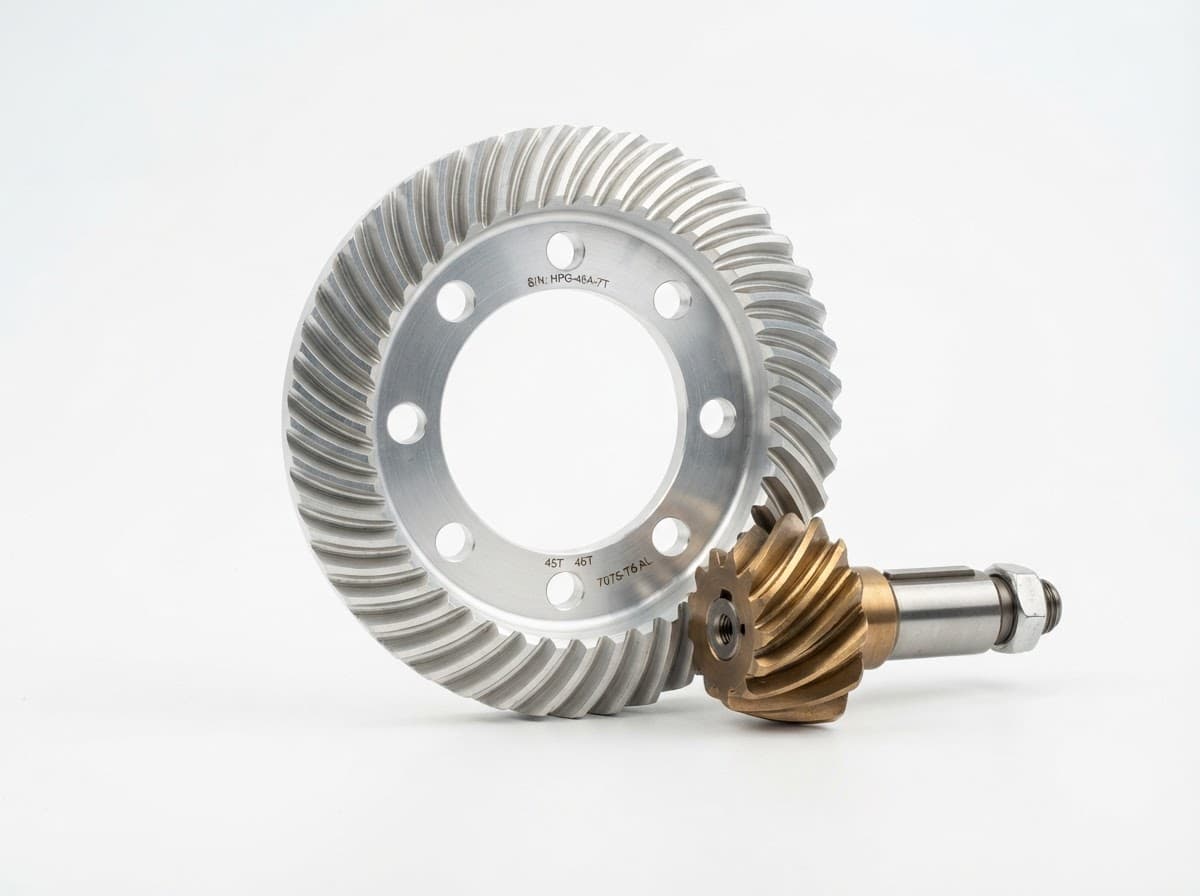
Custom aluminum alloy gears made from Aluminum 2011, Aluminum 7075, and other alloys. Accuracy Grade: ISO/DIN/GB Class 5. Module: 0.1 mm – 5.0 mm. MOQ: 5 pieces.
Sango CNC is one of the most reliable manufacturers and suppliers of aluminum alloy gears in China. With abundant experience, we warmly welcome you to wholesale advanced aluminum alloy gears made in China from our factory. Good service and quality products are available.
One-Stop Custom Gear Factory
Sango CNC has been deeply involved in the field of gear manufacturing for more than ten years and now has rich experience in customization. We do not produce standard gears. Instead, we devote all our energy to the process of customizing gears for our customers.
At Sango, you can customize gear products in various materials, such as aluminum alloy gears, cast iron gears, and nylon gears.
Gear Specifications
Why Machine Builders Specify It
Four properties that make aluminum alloy gears the right choice for light, fast, and efficient drives.
Lightweight
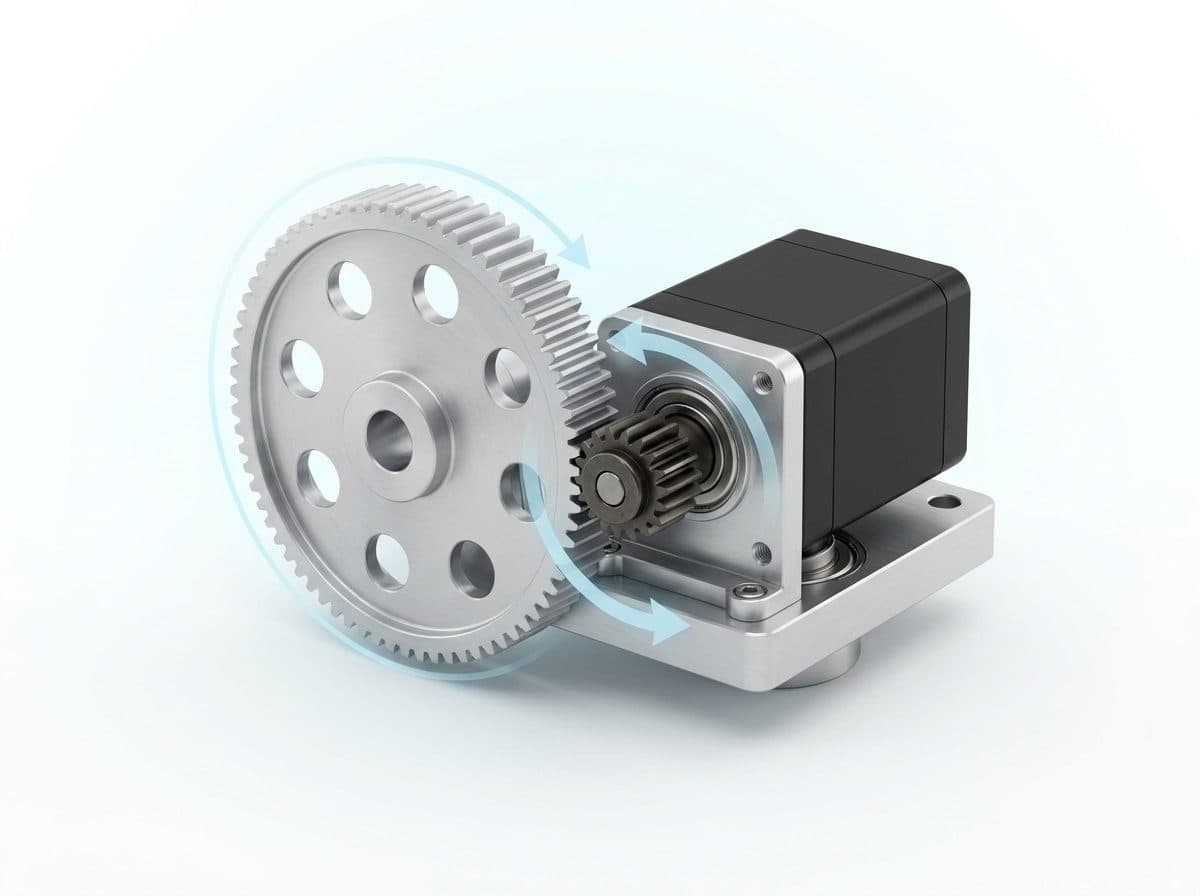
The density of aluminum alloy gears is about 1/3 of that of steel gears, so the overall weight and moment of inertia of a transmission system made with aluminum gears are lower than with steel gears. This makes them ideal for scenarios that need high-speed start-stop and quick response, such as robots and automation equipment.
Corrosion Resistance
Aluminum alloy forms a dense oxide film on its surface under natural conditions. This oxide film resists atmospheric and chemical media corrosion to a certain degree. If your working conditions need higher corrosion resistance, it can be achieved through anodizing and other surface treatments.
Thermal Conductivity
Aluminum alloy gears have good thermal conductivity. They effectively conduct and dissipate the heat generated during gear meshing, helping to reduce the operating temperature of the entire transmission system.
Ease of Processing
Aluminum alloy has excellent cutting performance, low cutting force, and slow tool wear. This makes it easy to efficiently manufacture high-precision gears with complex shapes through CNC and other processes, with a significant cost advantage in large-quantity production.
Material Selection
Three forged aluminum alloys, each matched to a different load and environment.
Aluminum Alloy Gear Materials
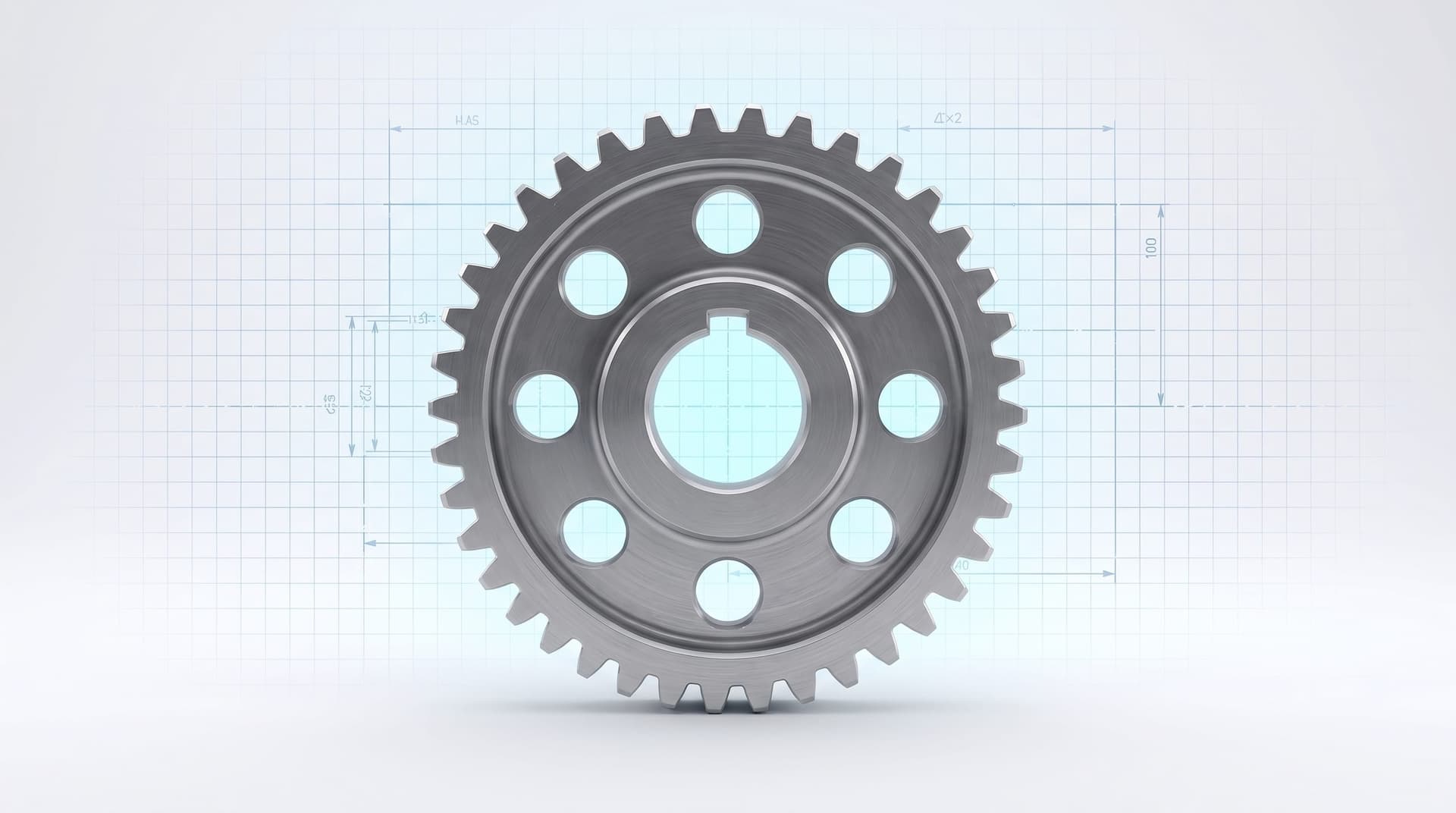
The aluminum material chosen for an aluminum alloy gear directly affects the gear's performance. The aluminum alloy used to make gears is not ordinary aluminum, but high-strength forged aluminum alloy. The most commonly used are Aluminum Alloy 2011, 6061, and 7075.
| Alloy Grade | Machining & Material Characteristics | Recommended Application |
|---|---|---|
| Aluminum Alloy 2011 | Good cutting performance, high surface finish on processed products, easy chip breakage | Gears that need high dimensional accuracy and surface finish but do not carry high loads |
| Aluminum Alloy 6061 | Corrosion resistance, good weldability, medium strength, good processing performance | General-purpose industrial gears with medium loads, potentially corrosive environments, or where surface treatment is needed |
| Aluminum Alloy 7075 | High strength, with performance close to steel | Gears subjected to high loads and stresses |
Six mounting orientations
The same frame can be bolted base-down, wall mounted or inverted, and the motor can sit above, behind or in line. Quote the code with your order so the unit ships with the oil level and breather set for that orientation.
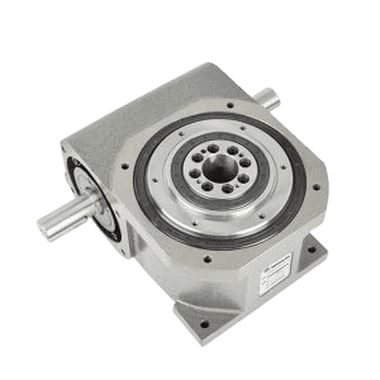
Base down, output up
Standard dial-table orientation.
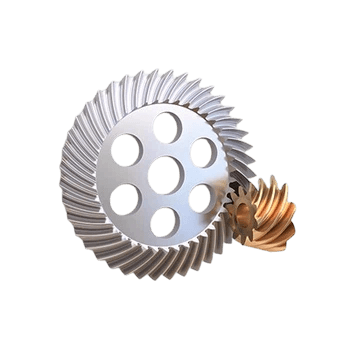
Base down, output side
Right-angle output for wheel drives.
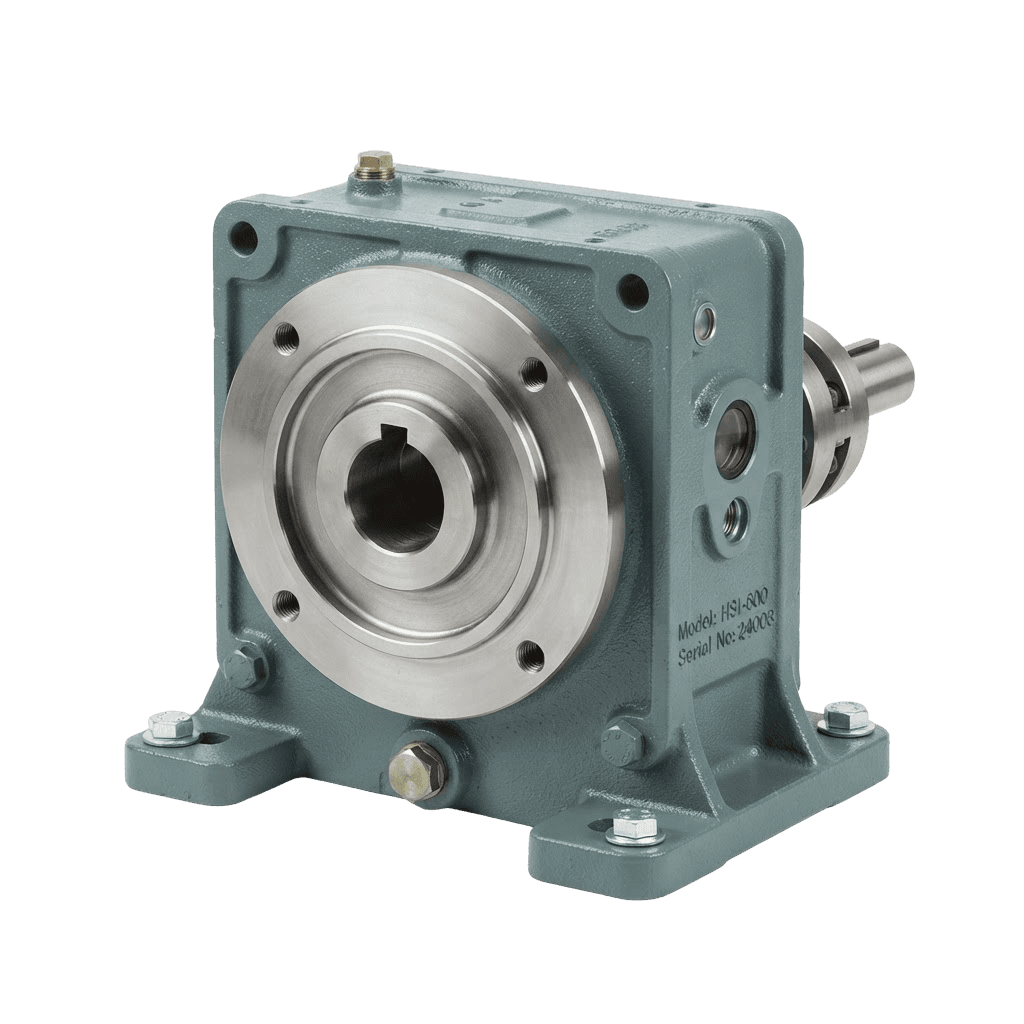
Wall mount, output horizontal
Saves floor space on narrow frames.
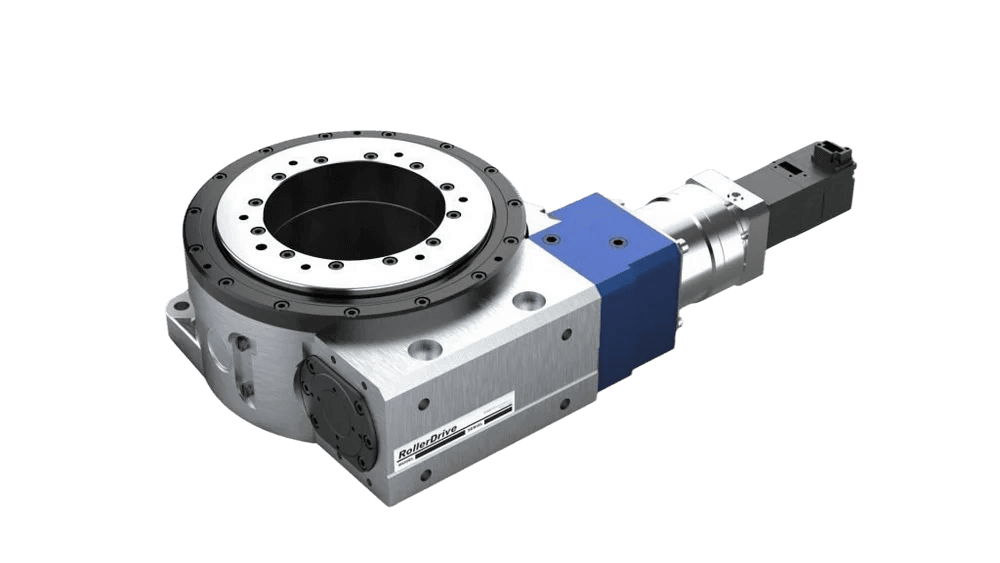
Inverted, output down
Overhead carrier and gantry work.
Motor top-mounted
Gearmotor stacked over the housing.
Motor rear-mounted
In-line drive for shallow installations.
Production & Service Procedure
A precise aluminum gear starts with the right alloy and ends with a verified part. Our process takes your drawing through material selection, precision cutting, surface treatment, and inspection, so every gear arrives ready to install.
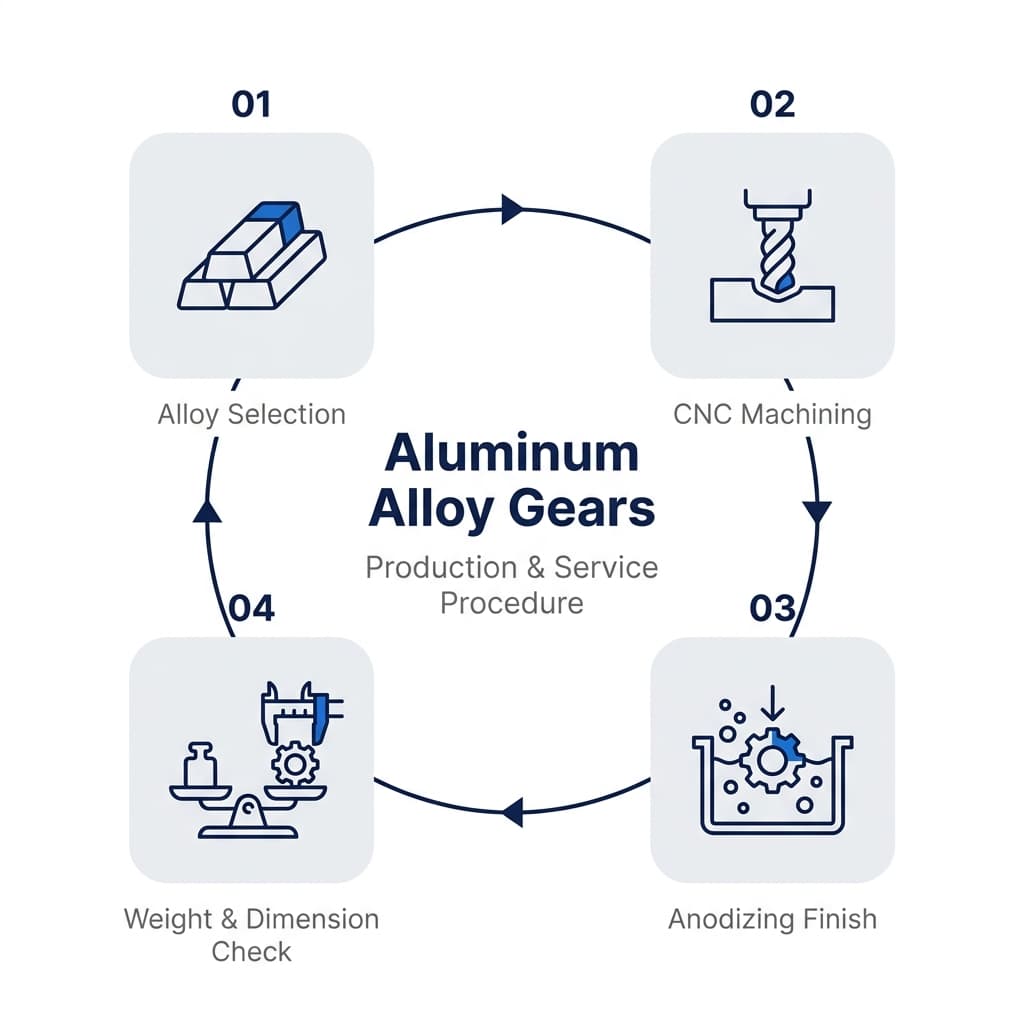
Production Procedure
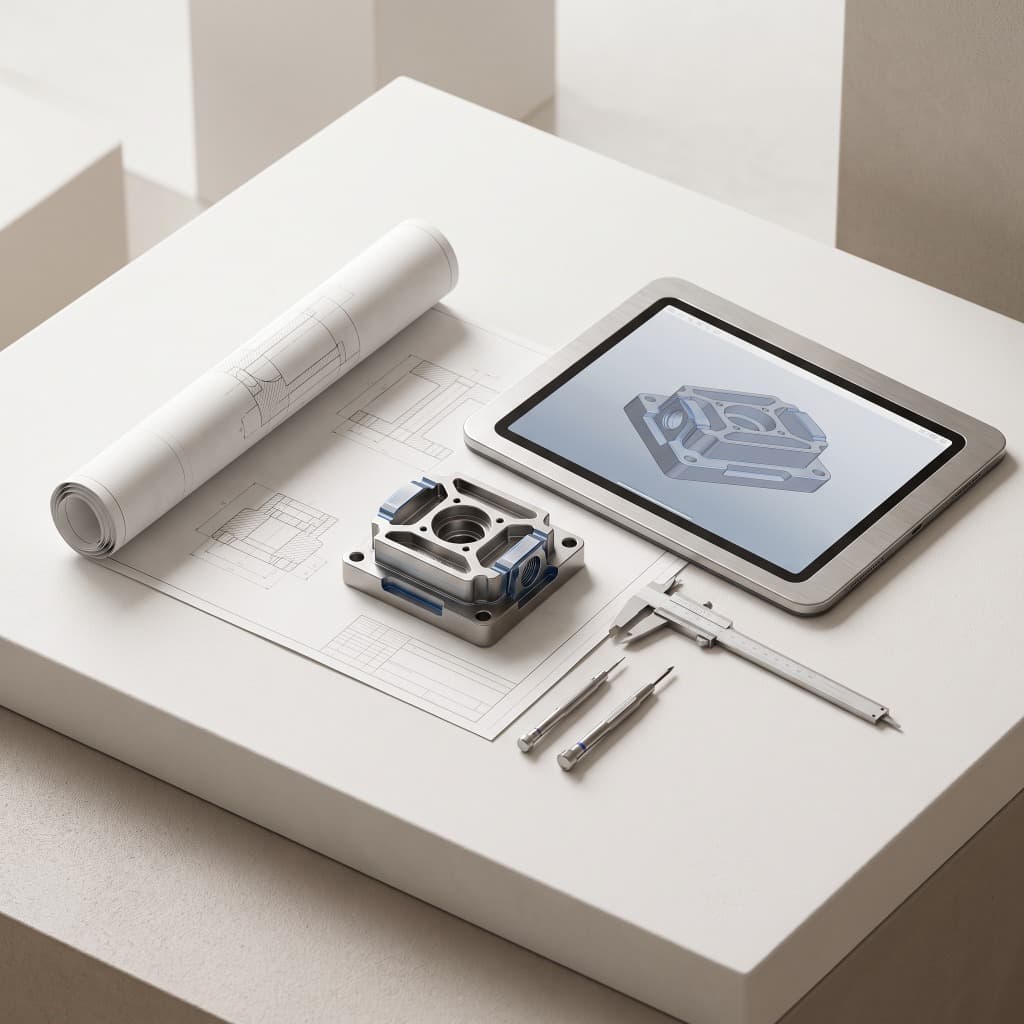
Drawing Review & Alloy Selection
We review your 2D/3D drawings, load, and working environment, then recommend Aluminum 2011, 6061, or 7075 to match your precision, load, and corrosion needs.
Precision Blank Machining
Forged aluminum alloy bar is CNC turned into gear blanks, holding tight control of bore, face, and outer diameter so the teeth are cut on an accurate base.
Gear Skiving & Hobbing
Teeth are cut on the Kashifuji KPS30 skiving machine and CNC hobbing machines, reaching up to DIN Class 5 accuracy across a 0.1 – 5.0 mm module range.
Deburring & Surface Treatment
Burrs are removed from tooth edges, then gears are anodized or otherwise surface treated for better corrosion and wear resistance, with coating thickness allowed for in the final dimensions.
Inspection & Delivery
Every batch is checked for tooth profile, runout, and key dimensions before careful packing and shipment, from a 5-piece MOQ to volume orders.
Industries That Use Aluminum Alloy Gears
Because they are lightweight and have a low moment of inertia, aluminum alloy gears are used where high-speed start-stop and quick response matter, such as robots and automation equipment. Aluminum 6061 gears serve general-purpose industrial machines with medium loads and potentially corrosive environments. Aluminum 7075 gears handle high loads and stresses. Our gear production equipment also supports gear manufacturing for the automotive, motorcycle, and general machinery industries.

Popular Products
Engineered for maximum reliability and continuous 24/7 industrial production
Frequently Asked Questions.
Everything you need to know about aluminum alloy gears: materials, strength, corrosion, and precision.