Cam Indexing Drive
Details:
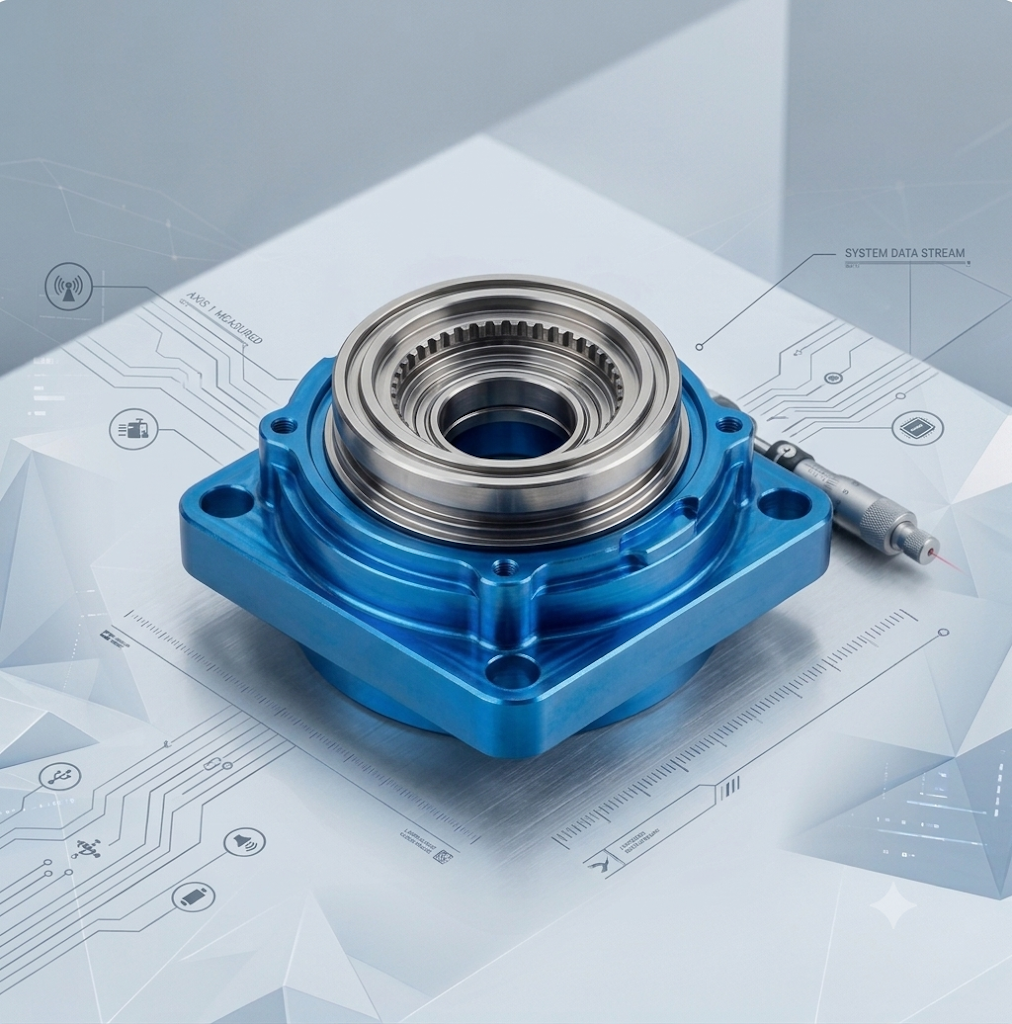
A cam indexing drive converts the constant rotation of a motor into precise stop and go motion. It moves a dial, conveyor or mechanism one station at a time and locks it firmly during each dwell. Sango Automation, one of the longest established cam indexer manufacturers in mainland China, designs and builds globoidal and parallel cam indexing drives for automation machine builders worldwide.
The range covers five output styles: flange, shaft, table, ultra thin and parallel. Every drive can be supplied alone or as a complete package with motor, reducer and clutch, sized by our engineers to your cycle and load.
How the Cam Indexing Drive Works
\. How It Works
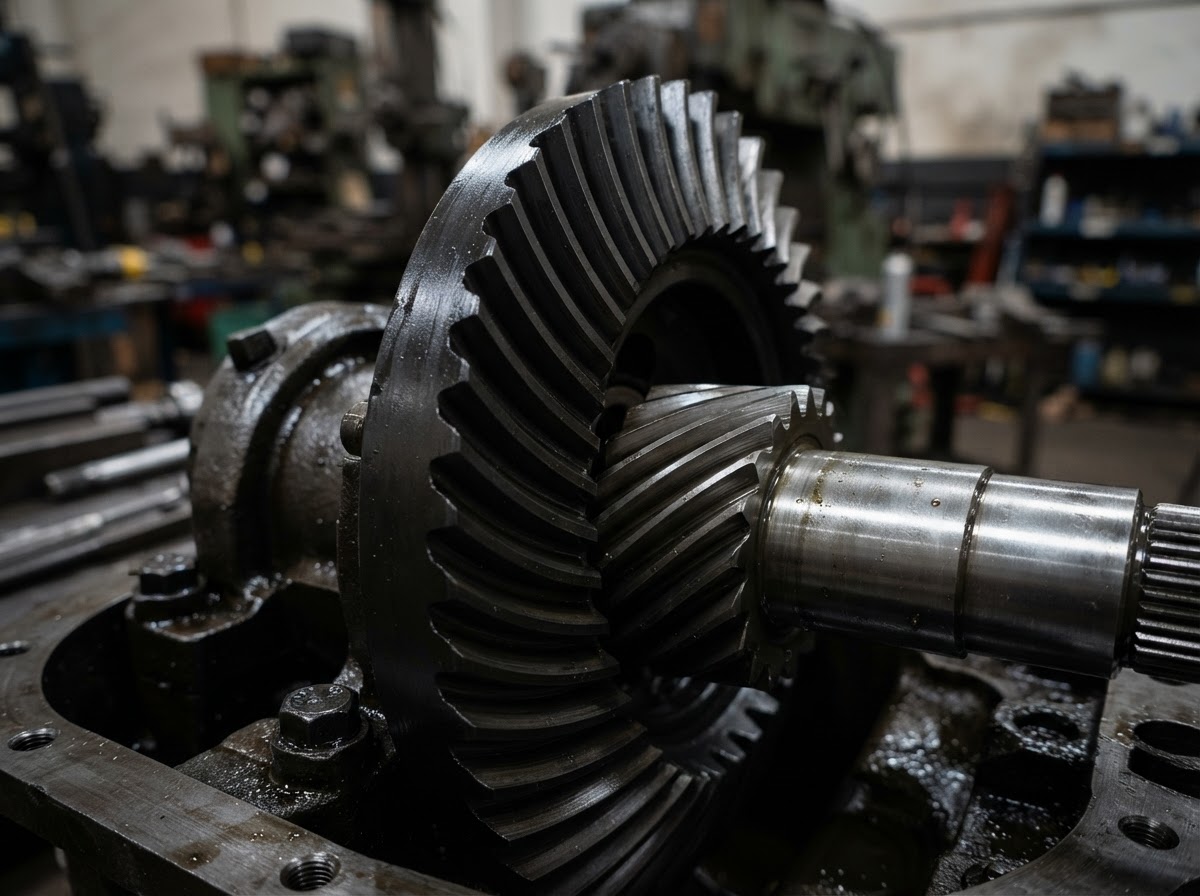
Inside the housing, a hardened cam on the input shaft drives a set of cam followers mounted on the output turret. The cam profile has two parts. The rising section moves the turret one station forward. The dwell section holds it perfectly still while the input keeps turning. Motion, stop position and dwell time are all built into the steel of the cam.
Because the holding force comes from the cam geometry itself, the output cannot be pushed out of position by process forces or vibration. This is the key difference from a servo rotary table, which holds position electronically, and from a Geneva mechanism, which has a sudden start and noticeable play at the stop.
For machines that repeat the same motion all day, a cam drive also simplifies the control system. One constant speed motor can run the indexer and synchronize other cam driven actions from the same input shaft, with no encoder, positioning controller or tuning required.
Output structures available
Why machine builders specify it
Six characteristics that come from the cam profile rather than from control software.
Positive Lock Without a Brake
The cam holds the output rigidly at every stop, so no brake, clamp or holding current is needed to resist process forces.
Motion Designed Into the Cam
Modified sine and other motion curves give smooth acceleration and deceleration, protecting parts and fixtures on fast machines.
One Motor, Full Synchronization
A single constant speed motor drives the indexer, and additional cams can take motion from the same input to keep every action in time.
Simpler Controls, Lower Cost
There is no encoder, servo amplifier or positioning program to buy, set up or maintain for a fixed motion cycle.
Five Output Styles, One Supplier
Flange, shaft, table, ultra thin and parallel drives from one source make it easy to standardize across your machine range.
Custom Stations and Angles
Station count, index angle, dwell angle and swing motion are designed to your process, not limited to a short catalog list.
Models and load ratings
Four output styles across 31 frame sizes. Pick the output first, then size on torque and moment.
Cam Indexing Drive Performance Specifications
Cam Indexing Drive models engineered for high dynamic rigidity, zero-backlash positioning, and extended bearing life.
| Model | Allowable Torque (N·m) | Allowable Moment (N·m) | Accuracy (arc sec) | Weight (kg) |
|---|---|---|---|---|
| DF | Flange (DFH hollow option) | 45DF to 250DF | Rotary dials and turntables bolted directly to the output | - |
| DS | Keyed shaft | 45DS to 180DS | Conveyors, sprockets, gears and star wheels | - |
| DT | Table with stationary center | 80DT to 450DT | Heavy dials with fixed tooling at the center | - |
| DA | Ultra thin table | 70DA to 450DA | Compact machines with limited height | - |
| PU | Parallel cam, shaft output | 50PU to 400PU | Long pitch conveyors and long dwell indexing | - |
Six mounting orientations
The same frame can be bolted base-down, wall mounted or inverted, and the motor can sit above, behind or in line. Quote the code with your order so the unit ships with the oil level and breather set for that orientation.
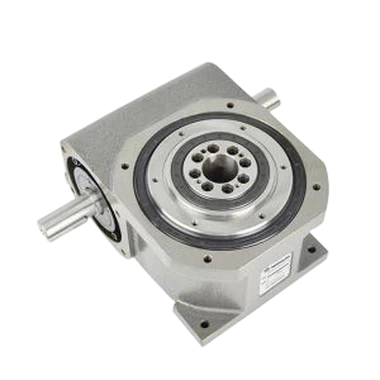
Vertical Output Upward (Standard Dial Table)
Standard turntable orientation with dial plate mounted horizontally on top.
Vertical Output Downward (Inverted Mount)
Overhead hanging dial configuration for robotic cell ceilings.
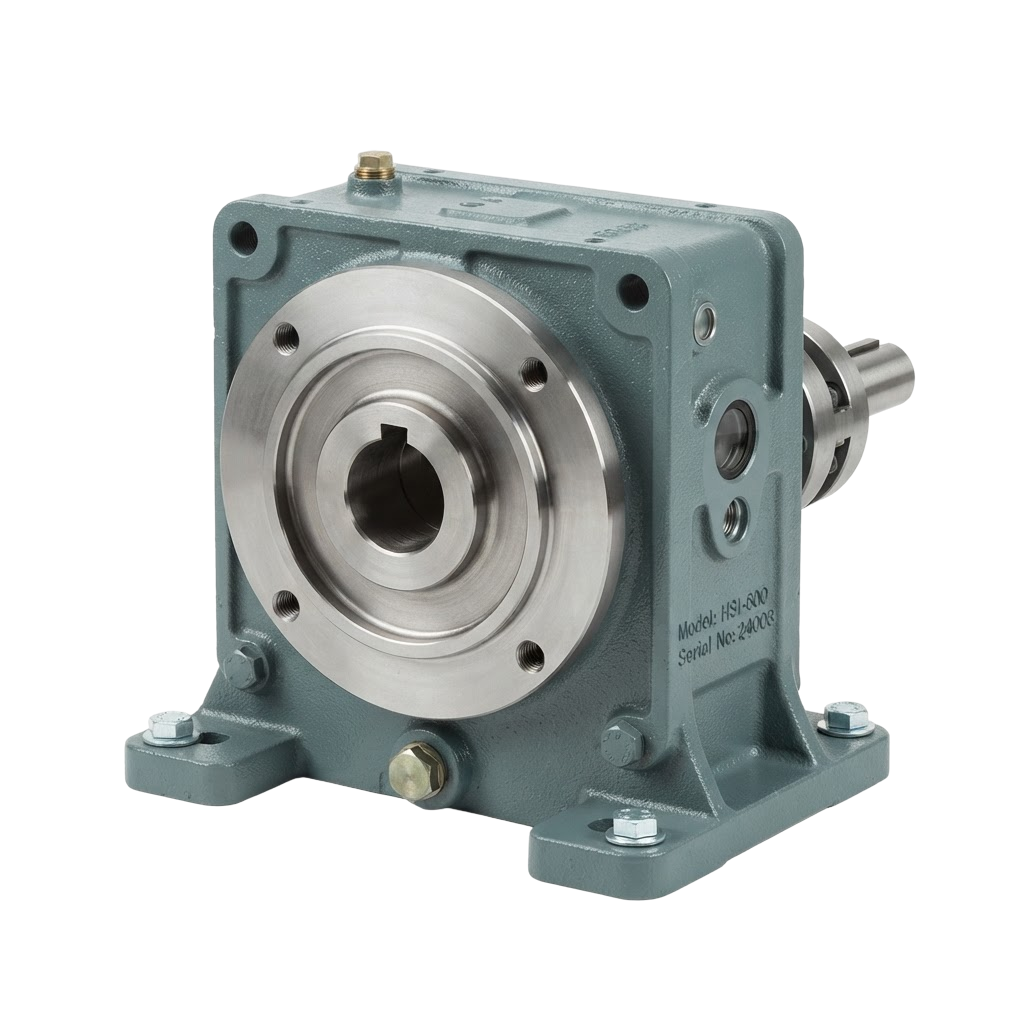
Horizontal Output Right
Input shaft horizontal, output shaft extending horizontally to the right.
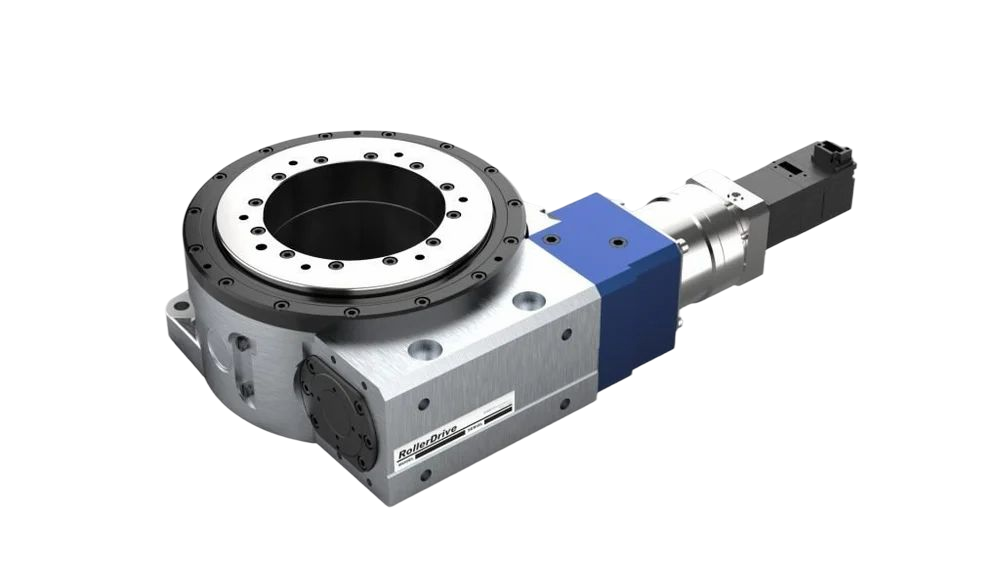
Horizontal Output Left
Input shaft horizontal, output shaft extending horizontally to the left.
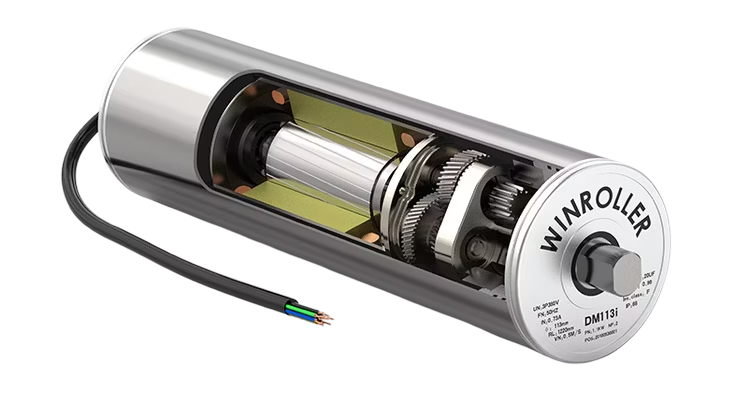
Wall Mount Output Forward
Housing mounted against a vertical machine column, output extending forward.
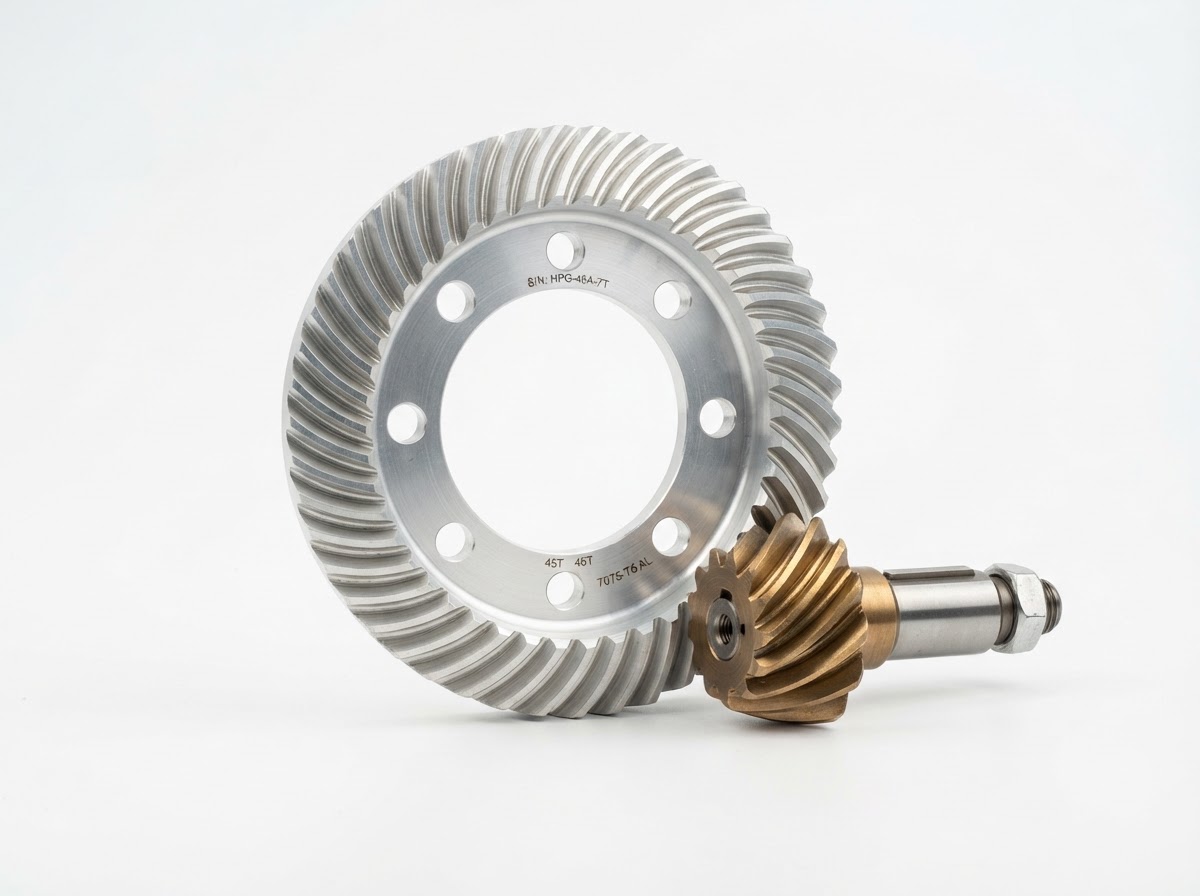
Wall Mount Output Rearward
Housing mounted against machine frame, output facing inward.
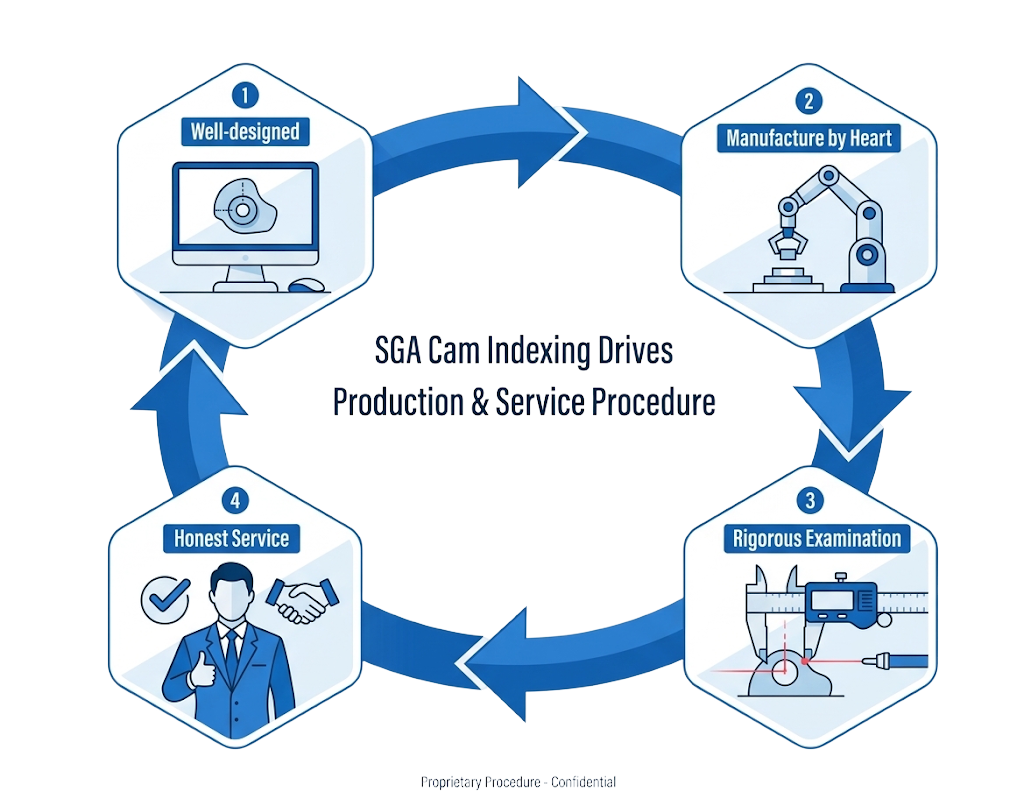
Production & Service Procedure
From 5-axis globoidal cam grinding to cleanroom assembly and 100% full-duty load validation, our ISO-certified production procedure ensures unmatched operational longevity.
What happens next
Right side heading
From Your Inquiry to a Running Machine
Different Transmission Device
Explore our complete range of synchronized cam mechanisms and motion handlers.
Indexing Drives
Oscillating Drives
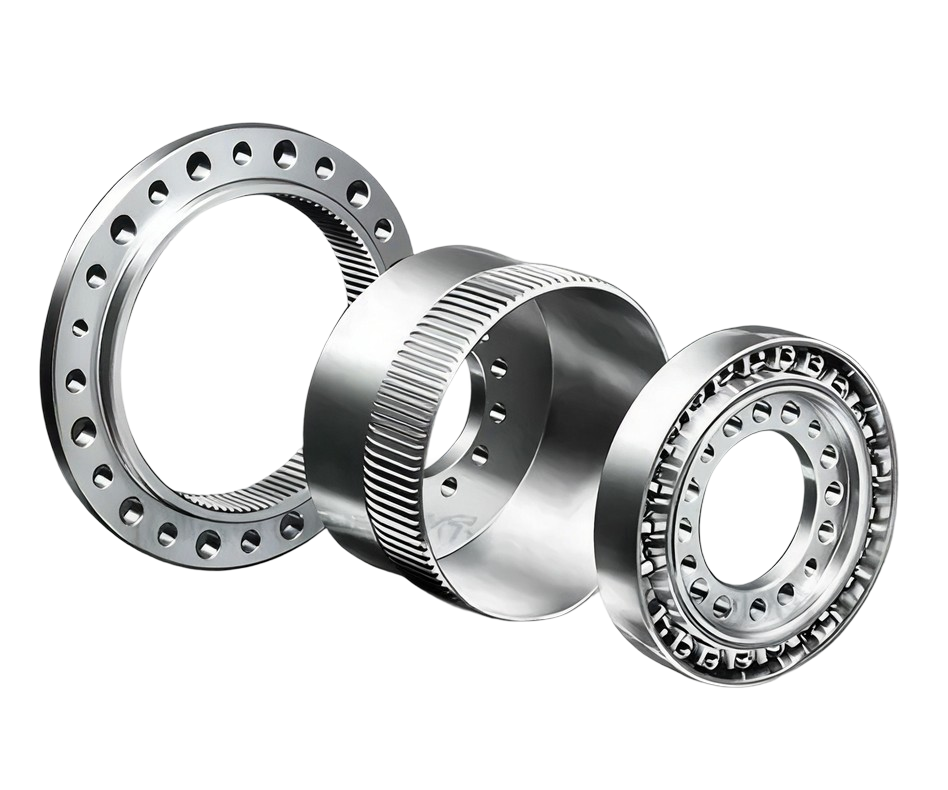
Roller Drives
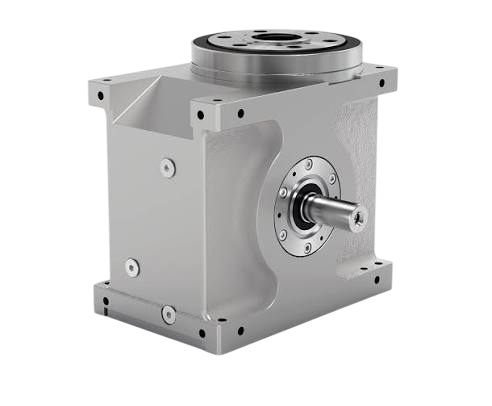
Oscillate Handler
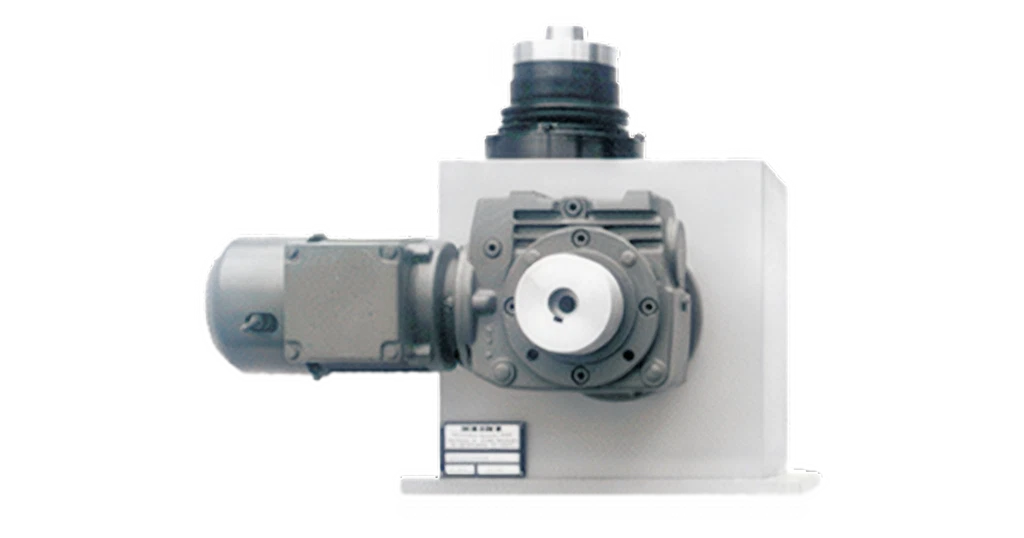
Index Handler
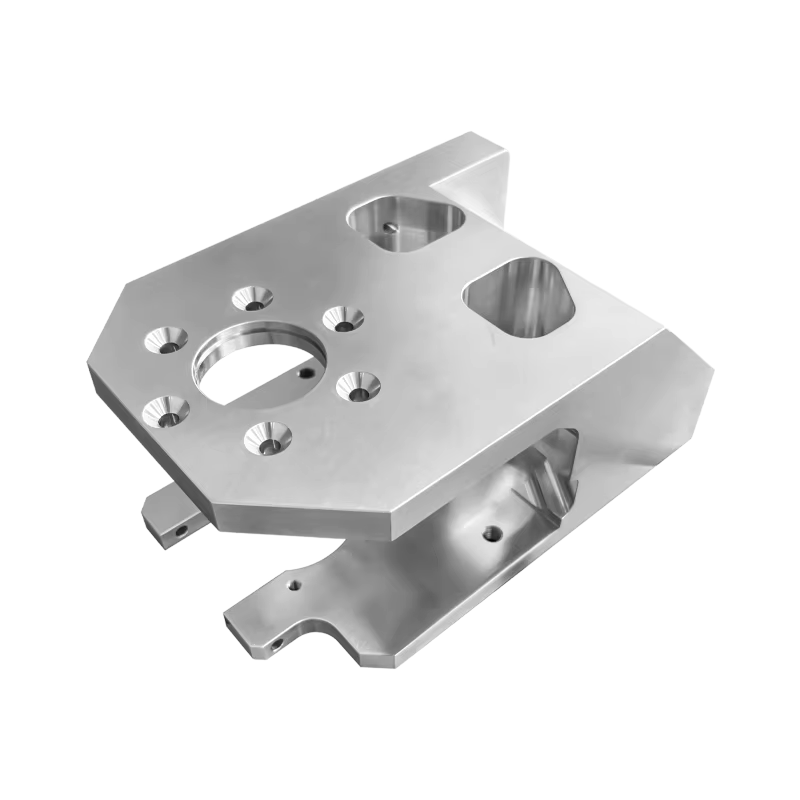
Parts Handler
Industries That Use Cam Indexing Drives
\. Applications H2: Industries That Use Cam Indexing Drives Cam indexing drives are found wherever a machine repeats a fixed motion at high speed. Typical industries include packaging and bottling, pharmaceutical and medical device manufacturing, automotive component assembly, electronics and semiconductor handling, lithium battery production, food processing, printing and labeling, cosmetics filling, and general purpose automation. Tell us what your machine needs to do, and we will recommend the series, frame and drive package that fits.
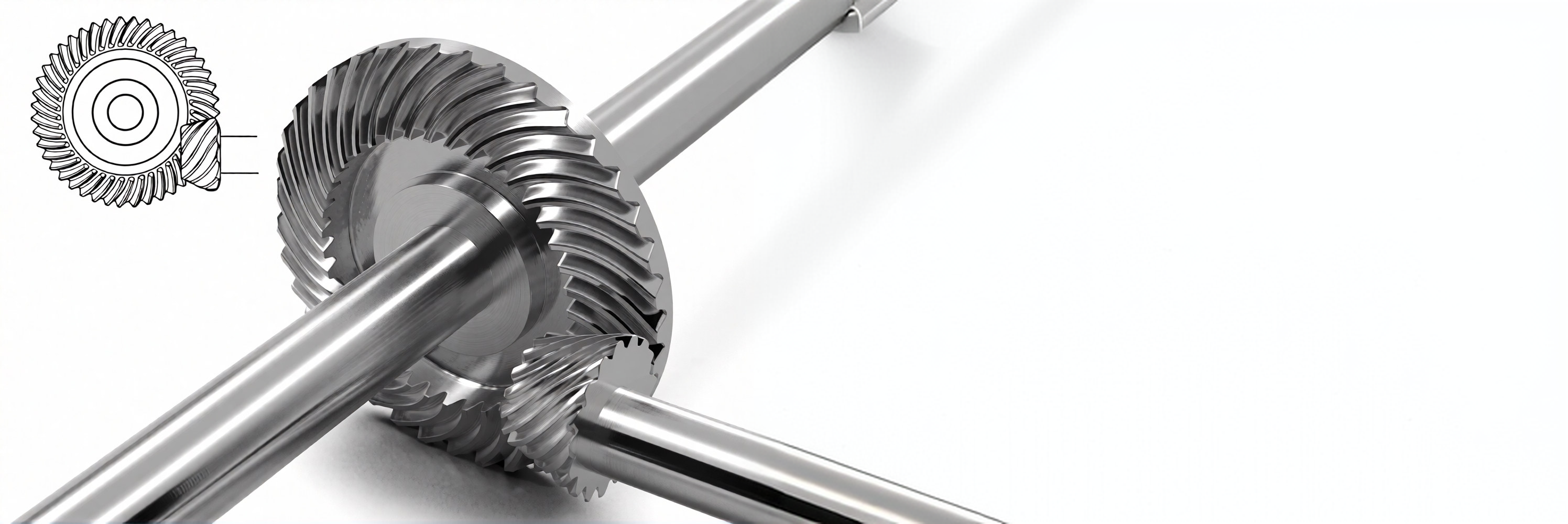
Popular Products
Engineered for maximum reliability and continuous 24/7 industrial production
Frequently Asked Questions?
Everything you need to know about our cam indexers, lead times, warranties and engineering services.